English
 Chinese
info@dagyee.com
+8613961861780

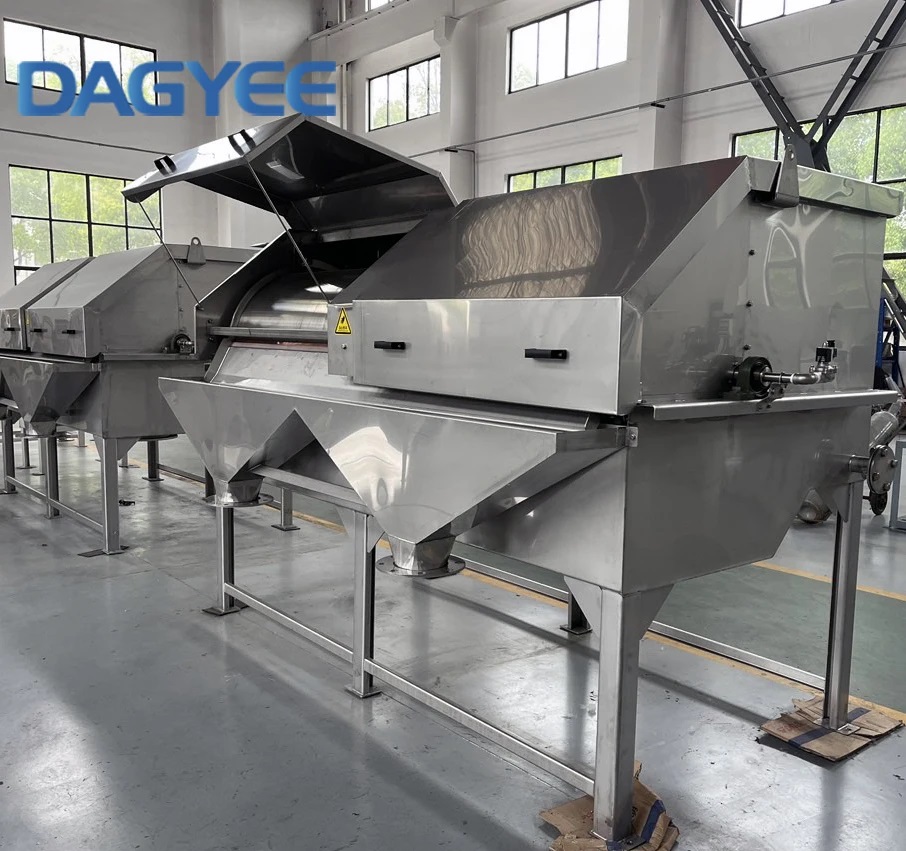
What is an Externally Fed Rotary Drum Screen?
An externally fed rotary drum screen, also known as an externally fed drum screen, is a type of fine screening equipment designed to separate suspended solids from liquid streams by passing the liquid through a perforated or woven mesh drum surface. Unlike internally fed drum screens, which direct the liquid flow into the interior of the drum, the externally fed design introduces the influent over the outer surface of the rotating drum.
As the drum rotates slowly, the liquid permeates through the screen mesh, while solids are retained on the outer surface. These trapped solids are then transported to the discharge end of the drum by the rotational motion, where they are removed via a scraper, brush, or hydraulic spray system—ensuring continuous, automated operation with minimal manual intervention.
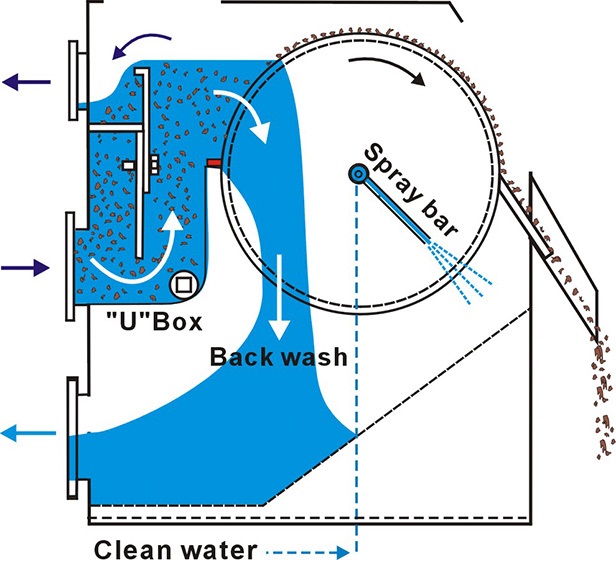
The core advantage of the external feeding design lies in its unobstructed solids discharge and reduced risk of clogging. Since solids are collected on the outer surface, they are easily removed without accumulating inside the drum, making the wastewater drum screen ideal for treating high-solids wastewater streams such as municipal sewage, food processing effluent, and industrial wastewater.
Key Design Features of DAGYEE’s Externally Fed Rotary Drum Screen
DAGYEE’s externally fed rotary drum screen is engineered with precision to address the pain points of traditional screening equipment, including frequent clogging, high maintenance costs, and low separation efficiency. Below are the standout design features that set our DAGYEE externally fed drum screen apart:
1. Premium Stainless Steel Construction for Corrosion Resistance
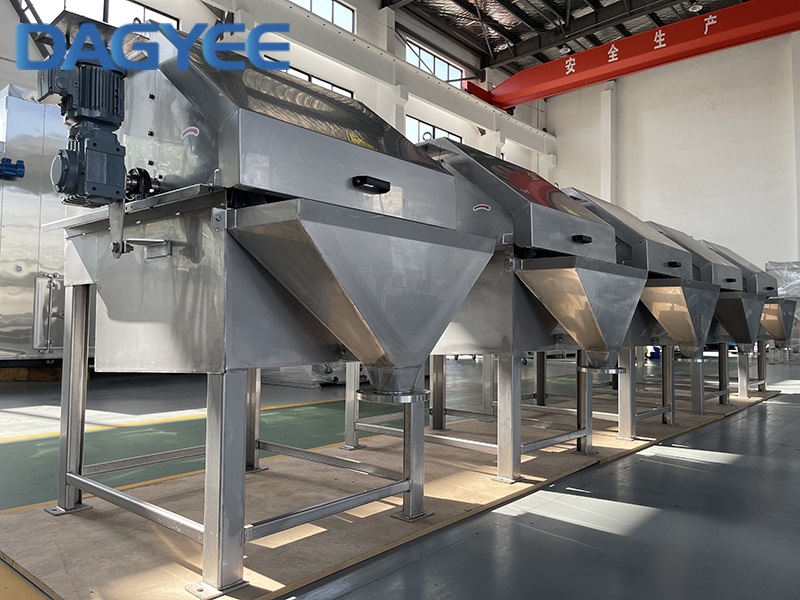
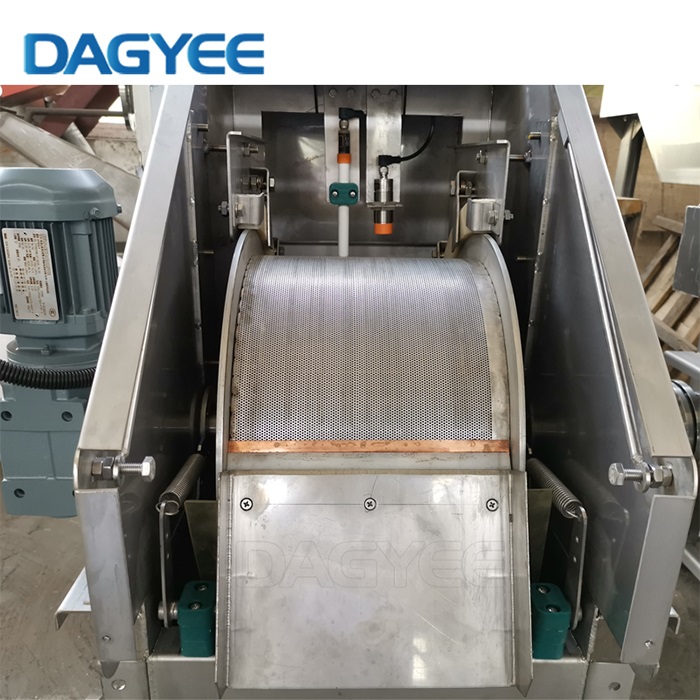
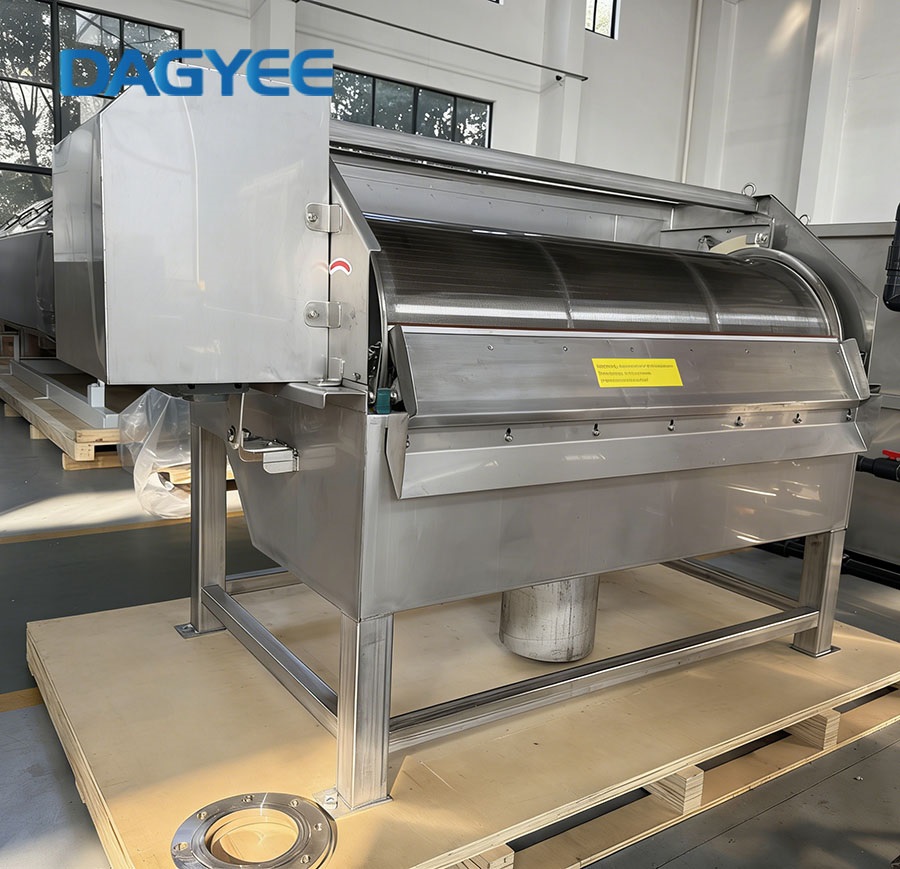
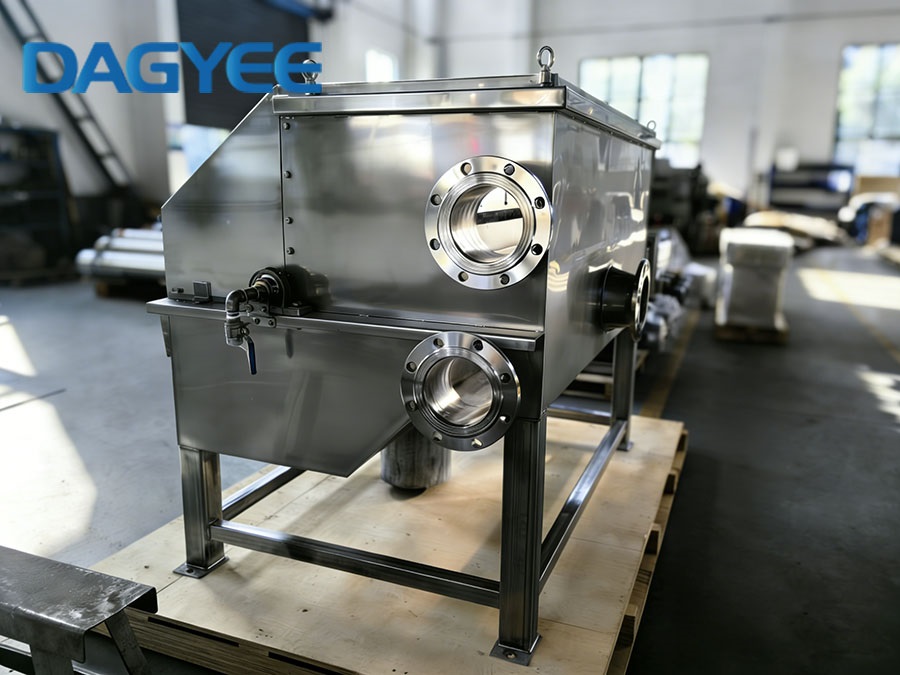
All critical components of the DAGYEE externally fed rotary drum screen—including the drum body, frame, and internal parts—are constructed from 304 or 316L stainless steel (customizable based on application). This material choice ensures exceptional resistance to corrosion, abrasion, and chemical attack, making the stainless steel rotary drum screen suitable for harsh wastewater environments (e.g., acidic/alkaline industrial effluent, saltwater treatment). The smooth, polished surface of the stainless steel also prevents solids from adhering to the drum, reducing cleaning frequency and extending service life (see Figure 2 for the precision-engineered stainless steel housing).
2. Customizable Screen Mesh for Versatile Separation
The drum screen mesh is the heart of the separation process, and DAGYEE offers customizable mesh sizes ranging from 20 to 500 microns (or perforated plate openings from 0.5 to 10 mm) to meet the specific requirements of different applications. For the drum screen solid-liquid separation process, mesh size directly impacts capture efficiency—smaller meshes capture finer solids but require more frequent cleaning, while larger meshes handle high flow rates with less maintenance. Examples of mesh size selection for key applications:
1) Municipal wastewater treatment: 1–3 mm mesh for removing rags, plastics, and large suspended solids.
2) Food processing (e.g., fruit juice, dairy): 50–100 micron mesh for separating fine pulp and food residues.
3) Industrial wastewater (e.g., textile, paper): 200–300 micron mesh for capturing fibers and particulate matter.
The mesh is tensioned tightly around the drum frame to prevent sagging or deformation during operation, ensuring consistent separation performance over time for the externally fed rotary drum screen.
3. Low-Speed Rotation for Energy Efficiency and Quiet Operation
DAGYEE’s externally fed rotary drum screen operates at a rotational speed of 0.5–5 rpm, significantly lower than conventional screening equipment. This low-speed design offers two key benefits for the wastewater drum screen:
1) Energy savings: The small, high-efficiency motor consumes only 0.75–5.5 kW of power, reducing operational costs by up to 30% compared to high-speed alternatives.
2) Quiet operation: The slow rotation minimizes mechanical noise (below 65 dB), making the equipment suitable for installation in urban or noise-sensitive areas (e.g., residential wastewater treatment plants).
4. Automated Cleaning System for Continuous Operation
To prevent mesh clogging and maintain separation efficiency, DAGYEE’s externally fed rotary drum screen is equipped with an integrated high-pressure spray cleaning system (optional) or a mechanical brush system. The spray system uses pressurized water (1–3 bar) to wash the screen surface from the inside out, dislodging trapped solids into a collection hopper. The brush system, on the other hand, features a nylon or stainless steel brush that rotates in contact with the drum surface, scraping off solids continuously. Both systems are fully automated and can be programmed to operate at set intervals, eliminating the need for manual cleaning and ensuring 24/7 uninterrupted operation of the DAGYEE externally fed drum screen.
5. Modular and Compact Design for Easy Installation
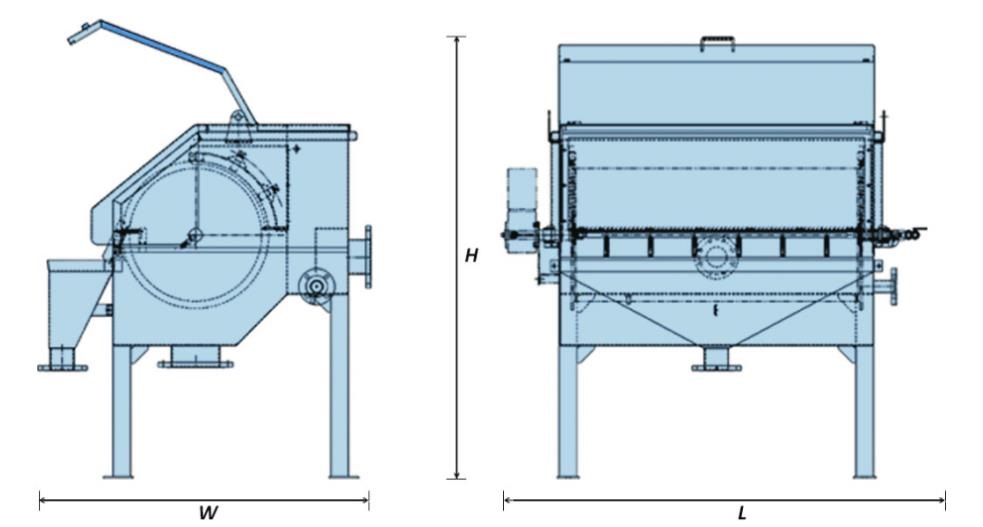
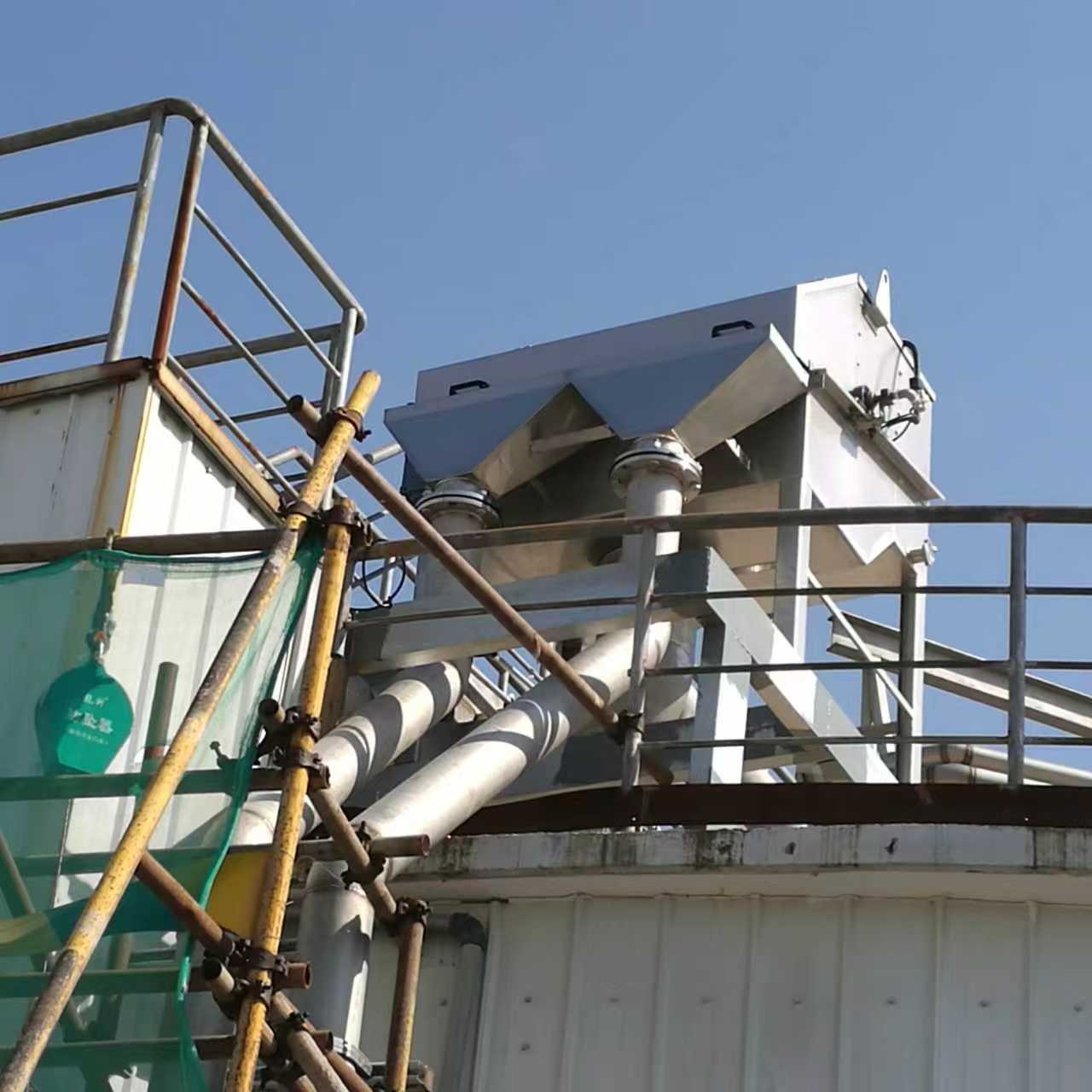
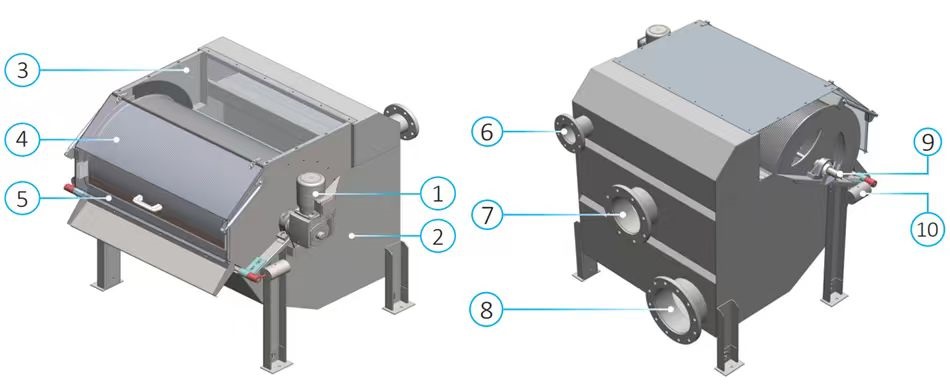
DAGYEE’s externally fed rotary drum screen features a modular, skid-mounted design that simplifies transportation, installation, and maintenance (see Figure 3). The compact footprint allows the wastewater drum screen to be installed in tight spaces, such as existing treatment plants or mobile water treatment units. Additionally, the equipment is pre-assembled and tested at the factory, reducing on-site installation time to as little as 24 hours. Flanged connections for influent, effluent, and solids discharge ensure seamless integration with existing pipeline systems.
Technical Specifications of DAGYEE’s Externally Fed Rotary Drum Screen
DAGYEE offers a comprehensive range of externally fed rotary drum screen models to accommodate different flow rates, separation requirements, and application scenarios. For customers seeking tailored solutions, DAGYEE’s custom water treatment equipment services provide flexibility for unique project needs. The following technical parameter table outlines the key specifications of our standard wastewater drum screen models:
| Model Number | Drum Diameter (mm) | Drum Length (mm) | Screen Mesh Size (micro nm) | Treatment Flow (m³/h) | Motor Power (kW) | Material (Standard) | Operating Pressure (bar) | Overall Dim. (L×W×H, mm) | Weight (kg) |
| DY-ES500 | 500 | 1000 | 20–500 | 5–20 | 0.75 | 304 Stainless Steel | 0.1–1.0 | 1800×800×1500 | 350 |
| DY-ES800 | 800 | 1500 | 20–500 | 20–80 | 1.5 | 304 Stainless Steel | 0.1–1.0 | 2500×1200×1800 | 680 |
| DY-ES1000 | 1000 | 2000 | 20–500 | 80–150 | 2.2 | 304 Stainless Steel | 0.1–1.0 | 3200×1500×2000 | 950 |
| DY-ES1200 | 1200 | 2500 | 20–500 | 150–300 | 3.0 | 304 Stainless Steel | 0.1–1.0 | 4000×1800×2200 | 1200 |
| DY-ES1500 | 1500 | 3000 | 20–500 | 500 | 5.5 | 304 Stainless Steel | 0.1–1.0 | 4800×2200×2500 | 1800 |
Applications of DAGYEE’s Externally Fed Rotary Drum Screen
The versatility and high efficiency of DAGYEE’s externally fed rotary drum screen make it suitable for a wide range of water and wastewater treatment applications across various industries. Below are the key application scenarios where our DAGYEE externally fed drum screen delivers exceptional performance:
1. Municipal Wastewater Treatment – municipal wastewater drum screen
In municipal sewage treatment plants, the externally fed rotary drum screen serves as the primary screening stage, removing large and fine suspended solids (e.g., rags, plastics, food waste, and grit) from the influent. This protects downstream equipment such as pumps, aerators, and membrane bioreactors (MBRs) from clogging and damage, reducing maintenance costs and improving the overall efficiency of the treatment plant. DAGYEE’s municipal wastewater drum screen is particularly well-suited for small to medium-sized municipal treatment plants with flow rates ranging from 5 to 500 m³/h.
2. Food and Beverage Processing – externally fed drum screen for food processing
The food and beverage industry generates large volumes of wastewater containing high concentrations of organic solids (e.g., fruit pulp, vegetable peels, dairy residues, and grain husks). DAGYEE’s externally fed drum screen for food processing is used to separate these solids from the wastewater, enabling their recovery for reuse (e.g., animal feed) or proper disposal.
Key applications include:
1) Fruit juice processing: Separating pulp and seeds from fruit wash water.
2) Dairy processing: Removing milk solids and cheese curds from wastewater.
3) Brewing and distilling: Capturing barley husks and yeast from fermentation effluent.
4) Meat processing: Separating fat, bone fragments, and meat trimmings from process water.
3. Industrial Wastewater Treatment
Various industrial sectors produce wastewater with unique solid contaminants, and DAGYEE’s externally fed rotary drum screen is customized to address these specific challenges for industrial drum screen solid-liquid separation:
1) Textile industry: Removing textile fibers, dyes, and sludge from dyeing and finishing wastewater.
2) Paper and pulp industry: Capturing wood pulp, paper fibers, and ash from process water.
3) Chemical industry: Separating solid catalysts, pigments, and particulate matter from chemical effluent.
4) Mining industry: Removing grit, ore particles, and sludge from mine drainage water.
4. Aquaculture and Aquatic Farming
In aquaculture systems (e.g., fish farms, shrimp farms), maintaining water quality is critical for the health of aquatic life. DAGYEE’s externally fed rotary drum screen is used to filter suspended solids (e.g., uneaten feed, fish waste, and algae) from the recirculating water system, improving water clarity and reducing the risk of disease. The low energy consumption of the wastewater drum screen makes it ideal for small-scale aquaculture operations with limited power supply.
5. Stormwater Treatment
Stormwater runoff often contains high levels of sediment, debris, and pollutants (e.g., oil, grease, and heavy metals) that can harm aquatic ecosystems. DAGYEE’s externally fed rotary drum screen is installed in stormwater retention ponds and treatment systems to separate these solids, preventing them from entering rivers, lakes, and oceans. The compact design of the DAGYEE externally fed drum screen allows for easy installation in urban stormwater infrastructure.
Why Choose DAGYEE’s Externally Fed Rotary Drum Screen?
With numerous drum screen manufacturers in the market, selecting the right wastewater drum screen can be a daunting task. Here are the key reasons why DAGYEE’s externally fed rotary drum screen stands out as the top choice for water treatment professionals:
1. Superior Separation Efficiency
Our externally fed rotary drum screen achieves a solid capture efficiency of up to 90% for particles larger than the mesh size, ensuring that the treated water meets the required quality standards for subsequent treatment stages. The external feeding design and tight mesh tensioning minimize the risk of solids passing through the screen, delivering consistent and reliable performance for the drum screen solid-liquid separation process. All DAGYEE equipment is manufactured in compliance with a CE certification requirements, guaranteeing product reliability and safety.
2. Low Maintenance and Operational Costs
The stainless steel construction, low-speed rotation, and automated cleaning system reduce the need for frequent maintenance and replacement parts for the stainless steel rotary drum screen. DAGYEE’s drum screen has an average service life of 10–15 years with proper maintenance, and the low power consumption translates to significant energy savings over the equipment’s lifetime. Additionally, our local after-sales service team provides prompt support, minimizing downtime and ensuring maximum equipment uptime. For more details on maintenance best practices, visit our drum screen maintenance guide.
3. Customizable Solutions
We understand that every water treatment project is unique, and we offer fully customizable solutions to meet the specific needs of our customers. From drum size and mesh size to material selection and auxiliary systems (e.g., spray cleaning, solids collection), we work closely with our clients to design a DAGYEE externally fed drum screen that aligns with their project requirements and budget.
4. Compliance with International Standards
DAGYEE’s externally fed rotary drum screen is designed and manufactured in compliance with international standards such as ISO 9001, CE, and NSF, ensuring that the equipment meets the highest quality and safety requirements for global markets. This makes our wastewater drum screen suitable for export to Europe, North America, Asia, and other regions, with seamless certification and regulatory compliance.
Case Study: DAGYEE’s Externally Fed Drum Screen in a Food Processing Plant
To illustrate the real-world performance of DAGYEE’s externally fed rotary drum screen, let’s examine a case study of a fruit juice processing plant in Spain that implemented our externally fed drum screen for food processing to solve its wastewater treatment challenges. For more industry-specific success stories, explore our DAGYEE water treatment case studies.
Client Background
A leading fruit juice manufacturer in Valencia, Spain, was facing issues with its wastewater treatment system: the existing screening equipment (a vibrating screen) was prone to clogging, requiring manual cleaning up to 5 times per shift. This not only increased labor costs but also led to frequent downtime, affecting the plant’s production efficiency. The plant generates approximately 80 m³/h of wastewater containing fruit pulp, seeds, and peels, and needed a screening solution that could handle high solids loading and operate continuously with minimal maintenance.
Solution
DAGYEE recommended the DY-ES800 externally fed rotary drum screen with a 100-micron mesh size and a high-pressure spray cleaning system. The equipment was customized with 316L stainless steel to resist corrosion from the acidic fruit juice wastewater. The modular design allowed for easy installation in the plant’s existing wastewater treatment area, and the pre-assembled unit was commissioned in just 2 days.
Results
1) Eliminated manual cleaning: The automated spray cleaning system prevented clogging, reducing labor costs by 70% for the externally fed drum screen for food processing.
2) Increased uptime: The equipment operated continuously for 24/7 with no unplanned downtime, improving the plant’s production efficiency by 15%.
3) High separation efficiency: The drum screen captured 98% of the fruit solids, which were recovered and sold as animal feed, creating an additional revenue stream for the plant.
4) Reduced maintenance costs: The stainless steel construction and low-speed rotation minimized wear and tear, cutting maintenance costs by 50% compared to the previous vibrating screen.
This case study demonstrates how DAGYEE’s externally fed rotary drum screen delivers tangible benefits in terms of efficiency, cost savings, and sustainability for industrial wastewater treatment applications.
Conclusion
The externally fed rotary drum screen is an indispensable piece of wastewater treatment equipment in modern water and wastewater treatment, offering high separation efficiency, low energy consumption, and versatile applications across industries. DAGYEE’s externally fed drum screen elevates this technology with its premium materials, customizable design, and automated operation, making it the ideal stainless steel rotary drum screen choice for municipal, industrial, and food processing applications. Whether you are upgrading an existing treatment plant or designing a new system, DAGYEE’s externally fed rotary drum screen provides a reliable, cost-effective solution for your drum screen solid-liquid separation needs.
Contact Us for Customized Drum Screen Solutions
Name: Ashely Li
Mobile:+8613961861780
Tel:+8613961861780
Whatsapp:8613961861780
Email:info@dagyee.com
Add:Room 302, Building 11-4, Hongyi Road, Xinan Town, Xinwu District, jiangsu Province, China