English
 Chinese
info@dagyee.com
+8613961861780

1. The Role of Rotary Drum Screens in Wastewater Treatment
Wastewater from municipal sewers, food processing, textile manufacturing, and pulp and paper industries contains a large amount of suspended solids (SS), including grit, fibers, plastics, and organic debris. If these solids are not removed upfront, they can clog pipes, damage pumps, and reduce the effectiveness of biological reactors. Rotary drum screens address this challenge by using a perforated or woven metal cylindrical screen to separate solids from the liquid stream via physical filtration.
1.1 Basic Working Principle
Wastewater flows through the drum screen:
1) Liquid passes through the screen mesh and proceeds to subsequent treatment stages.
2) Solids are retained on the screen surface, then removed via backwashing and collected in a hopper for disposal or recycling.
Rotary drum screens are typically installed at the headworks of WWTPs, acting as the first line of defense in wastewater treatment.
1.2 Key Benefits of Rotary Drum Screens
| Benefit | Details |
| High separation efficiency | Captures solids as small as 20 microns (mesh size customizable). |
| Continuous operation | Automated cleaning and discharge enable 24/7 runtimes with minimal manual intervention. |
| Low energy consumption | Power use ranges from 0.5–5 kW (drum rotation + backwash pump). |
| Corrosion resistance | 304/316 stainless steel construction suits harsh wastewater environments. |
| Compact footprint | Inclined/vertical installation saves space for retrofits and small plants. |
2. Externally Fed vs Internally Fed Drum Screens: Core Design Differences
The primary distinction lies in wastewater flow direction and solids retention location, which drive differences in performance, maintenance, and application suitability.
2.1 Externally Fed Drum Screens
Wastewater is fed onto the exterior surface of the drum:
1) Liquid permeates the screen mesh into the drum’s interior.
2) Solids are trapped on the outer surface and washed off by internal spray bars.
3) Installed at a 30°–60° incline to facilitate solids sliding into the collection hopper.
Key Advantages: Low hydraulic head loss (50–100 mm), easy access to the screen for maintenance, compact vertical/inclined installation.
2.2 Internally Fed Drum Screens
Wastewater is pumped into the interior of the drum:
1) Liquid exits through the screen mesh to the outside.
2) Solids adhere to the inner surface and are cleaned by external spray nozzles.
3) Installed at a 0°–20° horizontal/slight incline for high-flow scenarios.
Key Advantages: High solids loading capacity (up to 100 mg/L SS), fully enclosed design for odor control, suitable for large municipal WWTPs.
2.3 Side-by-Side Performance Comparison
| Parameter | Externally Fed Drum Screen | Internally Fed Drum Screen |
| Flow Direction | Over the drum’s exterior | Inside the drum |
| Solids Retention | Outer screen surface | Inner screen surface |
| Installation Angle | 30°–60° inclined | 0°–20° horizontal/slightly inclined |
| Hydraulic Head Loss | Low (50–100 mm) | Moderate (100–200 mm) |
| Solids Loading Capacity | Up to 50 mg/L SS | Up to 100 mg/L SS |
| Maintenance Access | Easy (open exterior design) | Complex (drum must be opened) |
| Odor Control | Moderate | Excellent (fully enclosed) |
| Space Requirement | Compact | Larger |
| Ideal Applications | Small/medium WWTPs, food processing, aquaculture | Large municipal WWTPs, high-SS industrial wastewater |
3. Real-World Application of Externally Fed Drum Screens
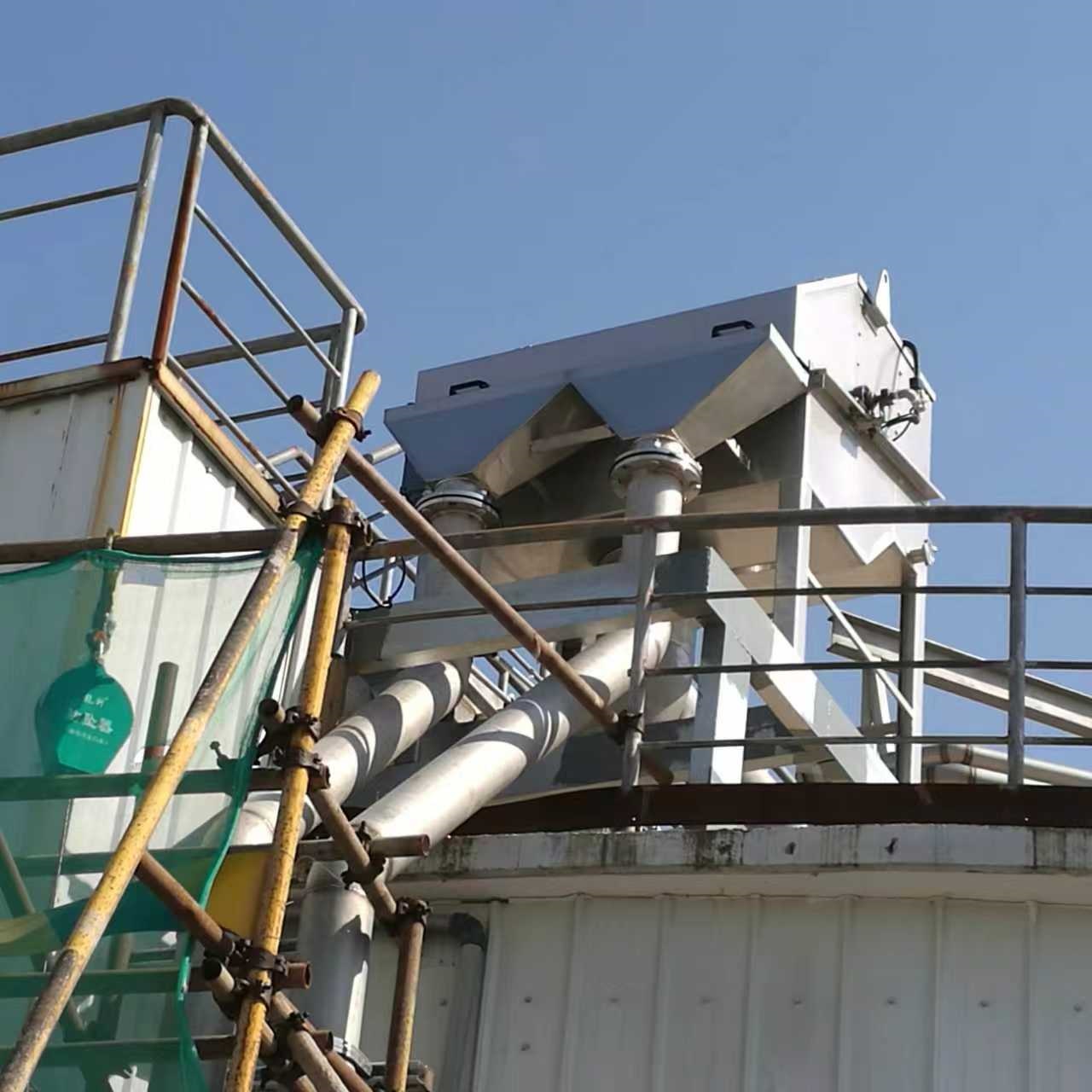
Externally fed drum screens excel in compact, maintenance-friendly scenarios (e.g., food processing, aquaculture). Below is a product showcase and case studies of a high-efficiency dual-drum model.
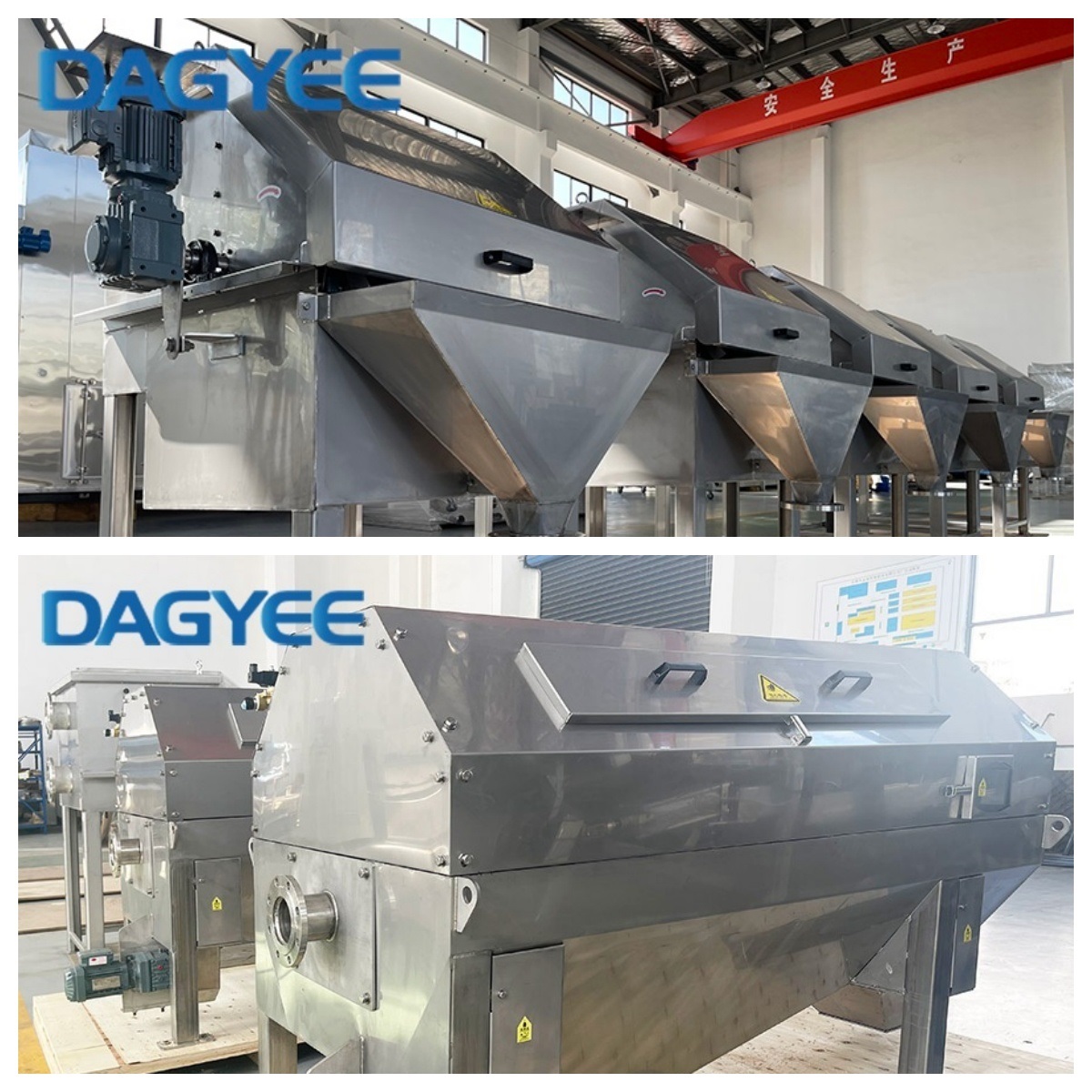
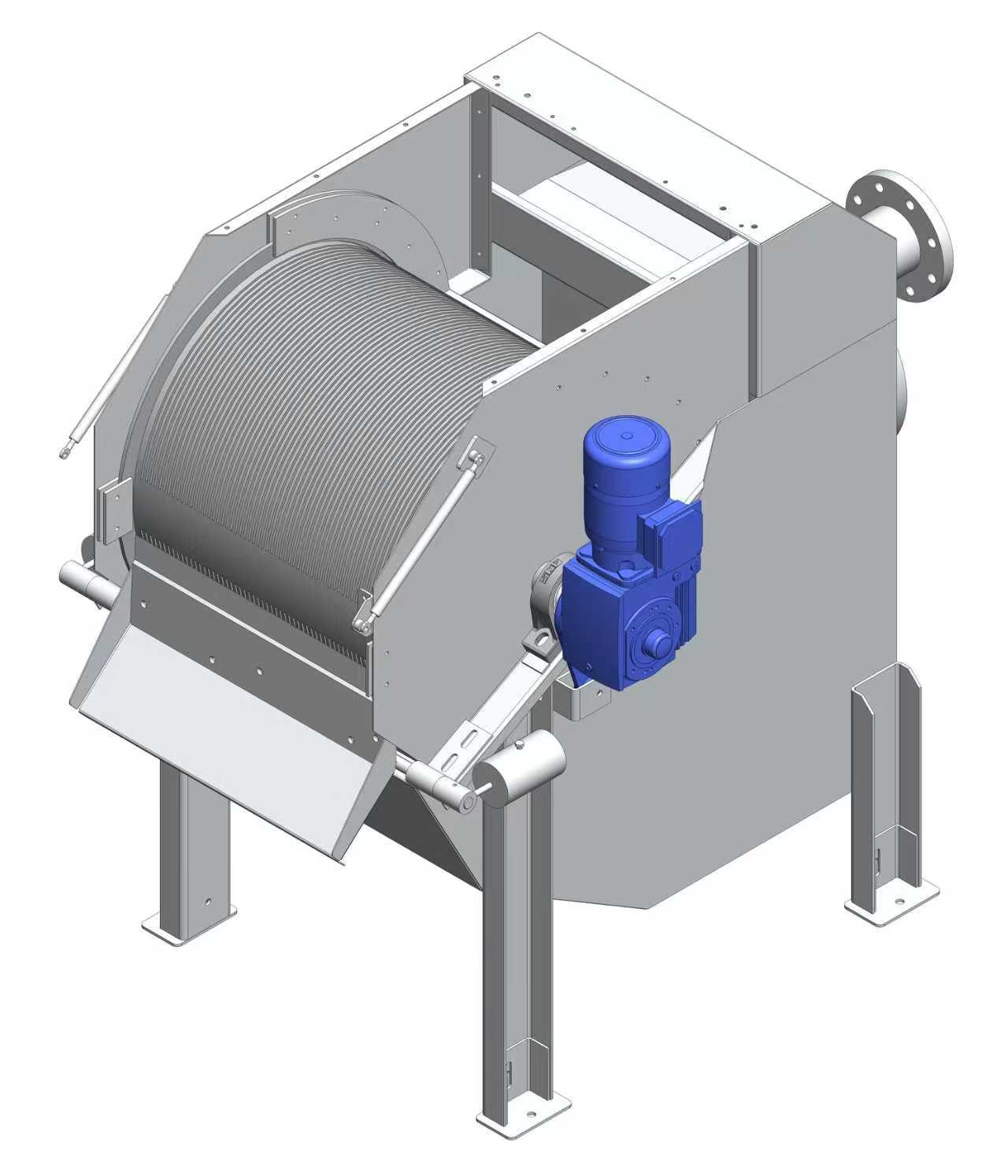
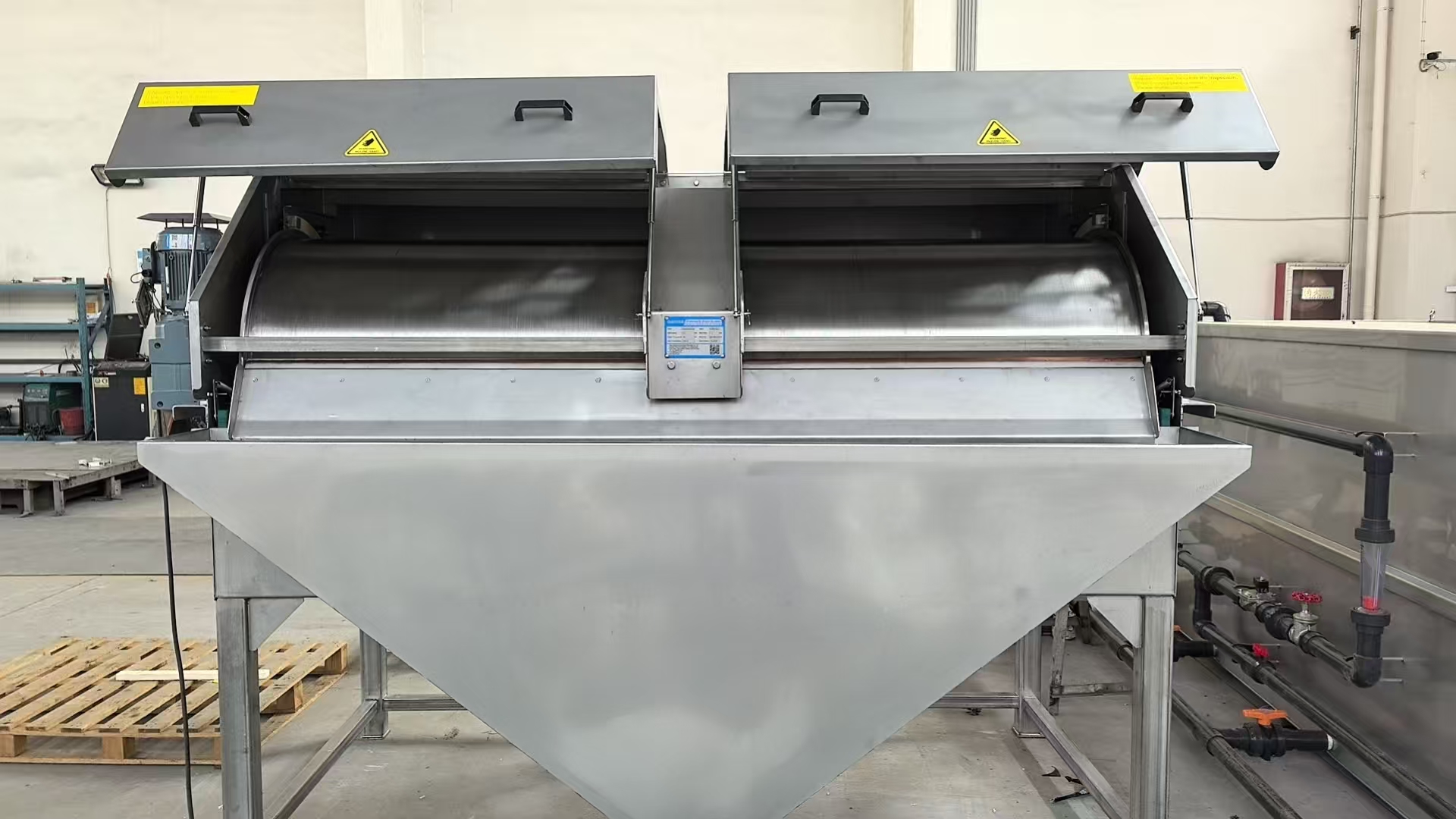
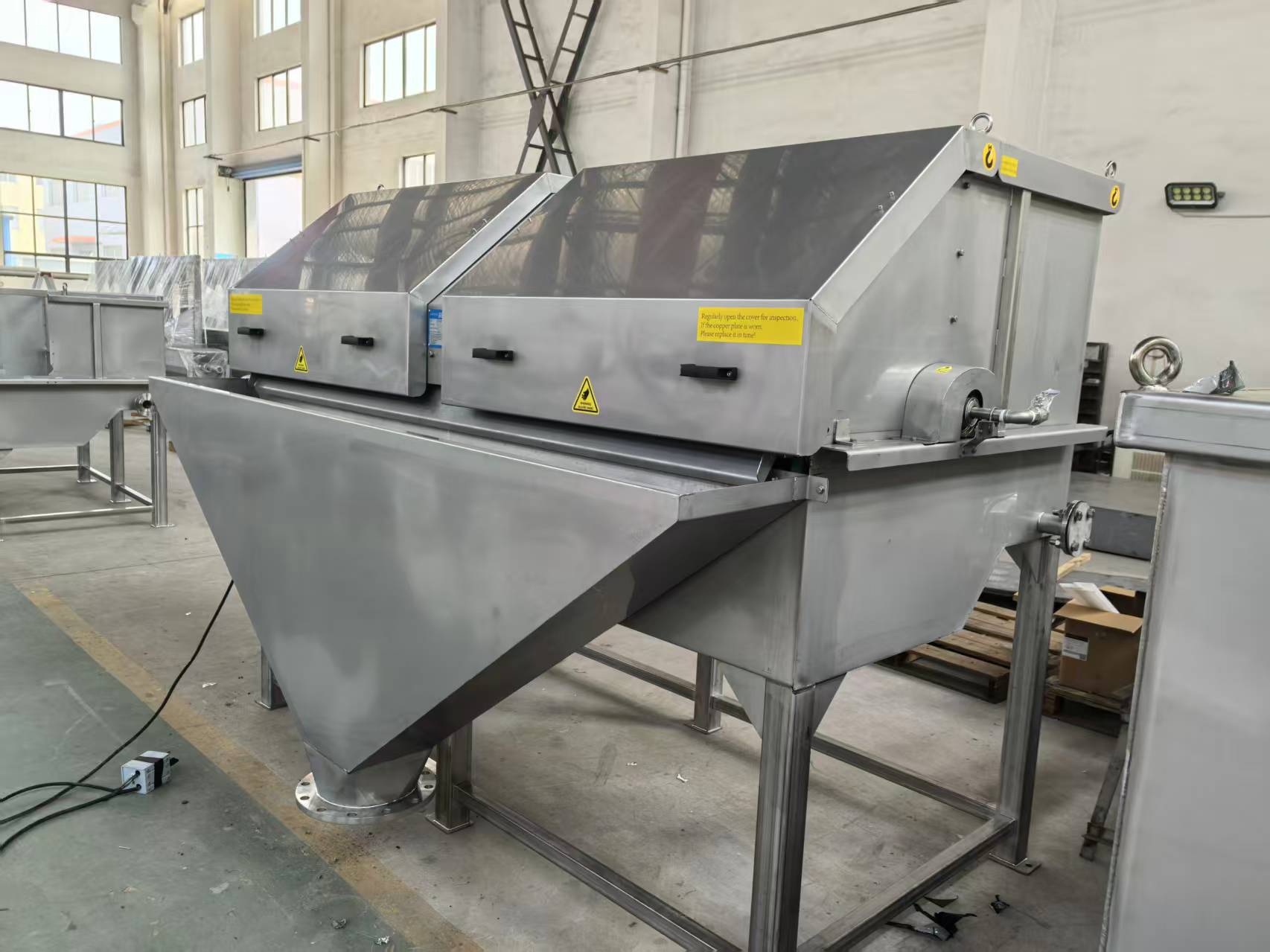
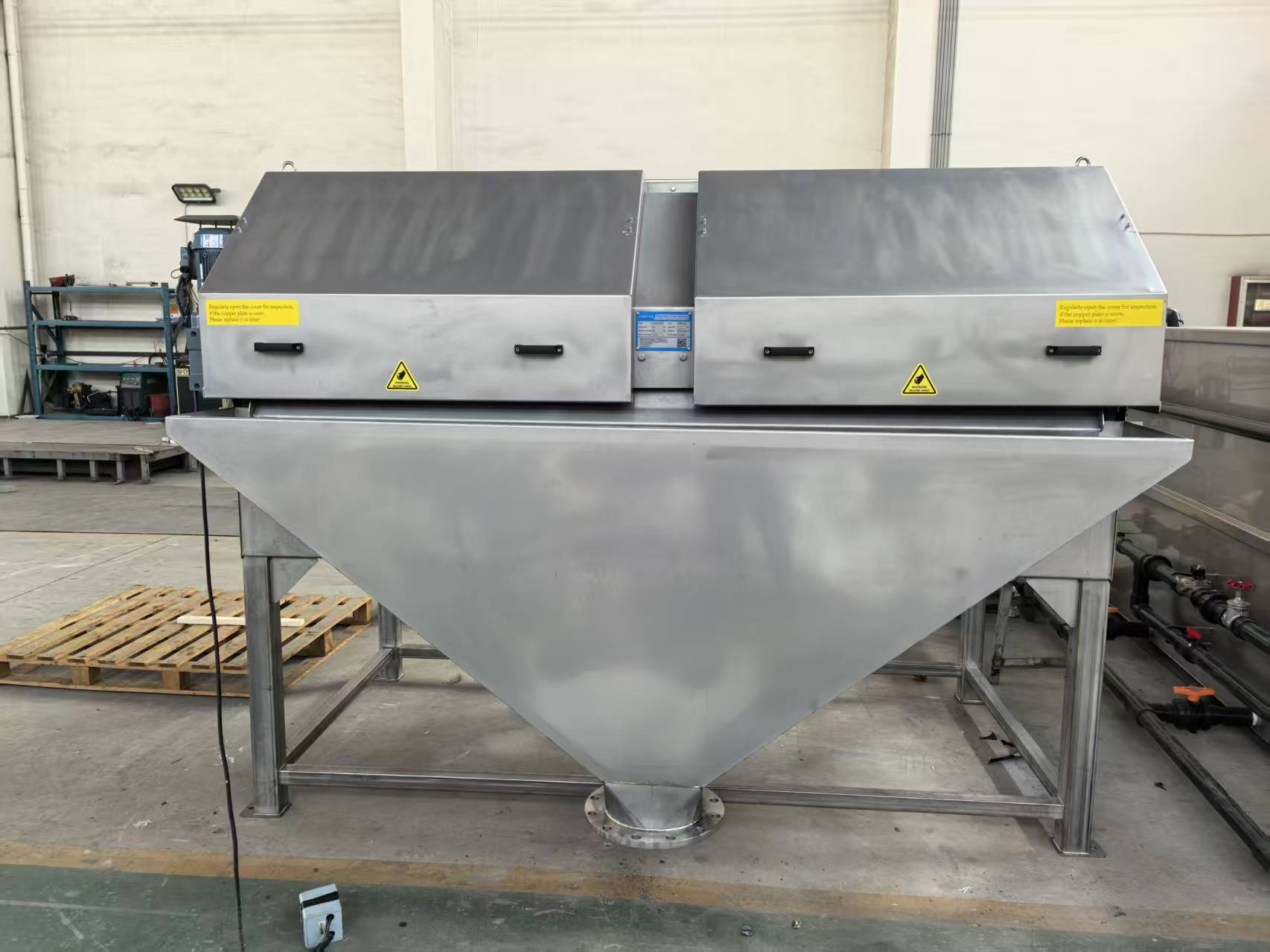
3.1 Product Showcase: Dual-Drum Externally Fed Drum Screen
This custom 316 stainless steel model is designed for food processing wastewater, featuring a dual-drum configuration to double throughput.
Technical Parameters
| Parameter | Specification |
| Material | 316 stainless steel (screen, frame, hopper) |
| Screen Mesh Size | 50 microns (customizable: 20–500 microns) |
| Drum Diameter | 800 mm per drum (dual-drum) |
| Drum Length | 1500 mm per drum |
| Installation Angle | 45° inclined |
| Design Flow Rate | 100 m³/h (total for dual drum) |
| Solids Removal Efficiency | ≥95% for solids ≥50 microns |
| Power Consumption | 1.5 kW (rotation) + 0.75 kW (backwash pump) |
| Backwash Water Consumption | 5% of treated effluent volume |
| Operating Temperature | 0–60°C |
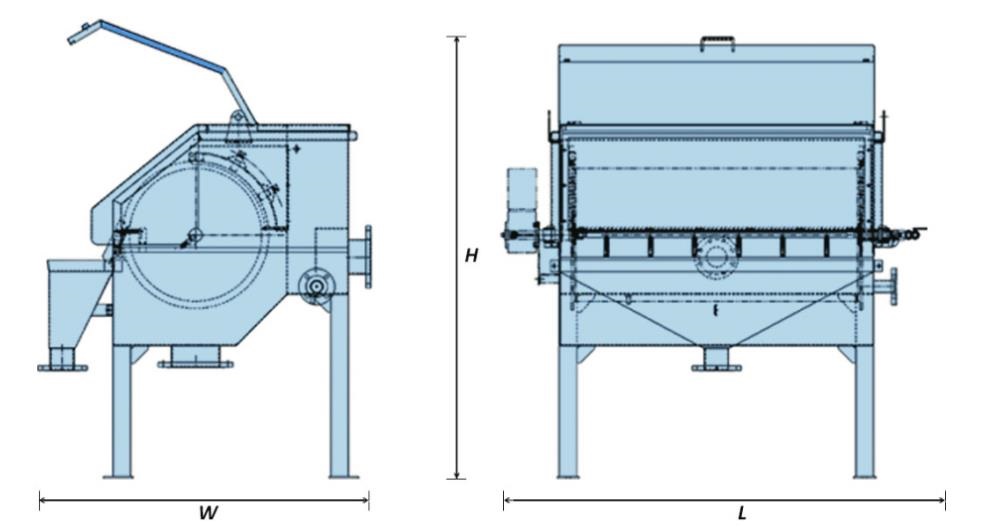
| Overall Dimensions (L×W×H) | 3000×1800×2200 mm |
| Weight | 1200 kg |
Key Design Advantages
1) Dual-drum configuration: Doubles filtration area and throughput for high-flow food processing plants.
2) Quick-access covers: Reduces maintenance downtime by 50% (screen inspection/replacement in minutes).
3) Integrated conical hopper: Eliminates the need for separate solids collection equipment.
4) Adjustable backwash system: Optimizes cleaning efficiency while minimizing water waste.
3.2 Application Case 1: Food Processing Wastewater (Spain)
A fruit juice plant processing 80 m³/h of wastewater (high fruit pulp/fiber content) replaced a manual screen with the dual-drum externally fed model, achieving:
1) 96% solids removal efficiency (up from 70%), cutting biological treatment load by 40%.
2) Maintenance time reduced from 4 hours/day to 30 minutes/week.
3) 2.25 kW power consumption (vs. 5 kW for the manual system, including labor).
4) Captured fruit solids recycled as animal feed (additional revenue stream).
3.3 Application Case 2: Aquaculture Wastewater (Norway)
A fish farm treating 50 m³/h of saltwater wastewater selected the 100-micron externally fed screen for compactness, with results:
1) 92% solids removal efficiency (meeting Norwegian discharge standards: SS ≤20 mg/L).
2) 6 m² floor space used (50% less than an internally fed screen).
3) 316 stainless steel construction withstood 2 years of saltwater exposure (no corrosion).
4) 30% freshwater savings (treated effluent reused for tank flushing).
4. Selection Guide for Drum Screen Designs
Follow this step-by-step framework to choose between externally and internally fed models:
4.1 Step 1: Analyze Wastewater Characteristics
1) SS concentration: Choose internally fed for >50 mg/L SS; externally fed for ≤50 mg/L SS.
2) Particle size: Externally fed for fine solids (20–100 microns); internally fed for larger particles (100–500 microns).
3) Corrosivity: Opt for 316 stainless steel (like the showcased model) for acidic/alkaline industrial wastewater.
4.2 Step 2: Evaluate Flow Rate & Space
1) Flow rate: Externally fed (up to 100 m³/h single drum); internally fed (≥500 m³/h for large drums).
2) Space constraints: Externally fed (inclined) saves 50% floor space vs. horizontal internally fed models.
4.3 Step 3: Assess Maintenance Needs
1) Accessibility: Externally fed’s open design is ideal for plants with limited maintenance staff.
2) Downtime tolerance: Quick-access covers on externally fed models cut maintenance downtime by 80%.
4.4 Step 4: Meet Regulatory/Environmental Requirements
1) Odor control: Internally fed’s enclosed design suits urban WWTPs with strict odor rules.
2) Discharge standards: Externally fed with fine mesh (20–50 microns) delivers ≥95% solids removal for fine particles.
5. Future Trends in Rotary Drum Screen Technology
The industry is moving toward automation, sustainability, and resource recovery—here are the key trends:
5.1 Smart Monitoring & AI Automation
Sensors track clogging, flow rate, and efficiency in real time; AI adjusts backwash frequency/ drum speed to optimize performance and reduce energy use.
5.2 Material Innovation
Titanium alloy and FRP (fiber-reinforced plastic) are replacing stainless steel for superior corrosion resistance and lighter weight (ideal for chemical/saltwater wastewater).
5.3 Water & Energy Conservation
1) Air scouring + water spray backwash reduces water use by 70% vs. traditional water-only systems.
2) Solar-powered drum screens are being developed for remote off-grid WWTPs.
5.4 Circular Economy Integration
Captured solids are recycled into biogas, compost, or animal feed (e.g., the Spanish food processing case). Future systems will integrate with anaerobic digesters for full resource recovery.
6. Conclusion
Rotary drum screens are critical for wastewater treatment headworks, and the choice between designs hinges on project-specific needs:
1) Externally fed drum screens: Best for small/medium plants, industrial applications (food/aquaculture), and scenarios prioritizing maintenance access/space savings. The dual-drum model showcased here demonstrates high efficiency and customization for niche industrial wastewater treatment.
2) Internally fed drum screens: Suited for large municipal WWTPs and high-SS industrial facilities, offering superior odor control and throughput.
As wastewater treatment evolves toward sustainability, rotary drum screens will continue to be a cornerstone of efficient, cost-effective solid-liquid separation. Investing in a customized, high-quality drum screen—whether externally or internally fed—is a key step toward optimizing WWTP performance and meeting environmental regulations.
7. Contact Us for Customized Drum Screen Solutions

Name: Ashely Li
Mobile:+8613961861780
Tel:+8613961861780
Whatsapp:8613961861780
Email:info@dagyee.com
Add:Room 302, Building 11-4, Hongyi Road, Xinan Town, Xinwu District, jiangsu Province, China