English
 Chinese
info@dagyee.com
+8613961861780

In various industries such as chemical engineering, food processing, water treatment, and pharmaceuticals, stainless steel static mixers have become indispensable core equipment in production processes due to their advantages of no moving parts, high mixing efficiency, and strong corrosion resistance. Whether it is the basic model made of 304 stainless steel or the corrosion-resistant models made of 316L or 2205 duplex steel, to ensure the long-term stable operation of the equipment, maintain the best mixing effect, and avoid economic losses caused by equipment downtime due to faults, scientific and standardized daily maintenance and regular inspections are crucial.
Many enterprises have a common misconception when using stainless steel static mixers: believing that stainless steel "never rusts" and not needing to deliberately maintain them. In fact, the corrosion resistance of stainless steel depends on the surface passivation film, and factors such as residual media in production, chloride ion erosion, and temperature fluctuations can all damage this protective film, leading to equipment corrosion, blockage, decreased mixing efficiency, and in severe cases, the need to replace the equipment prematurely, significantly increasing operating costs.
I. Core Understanding of Stainless Steel Static Mixers
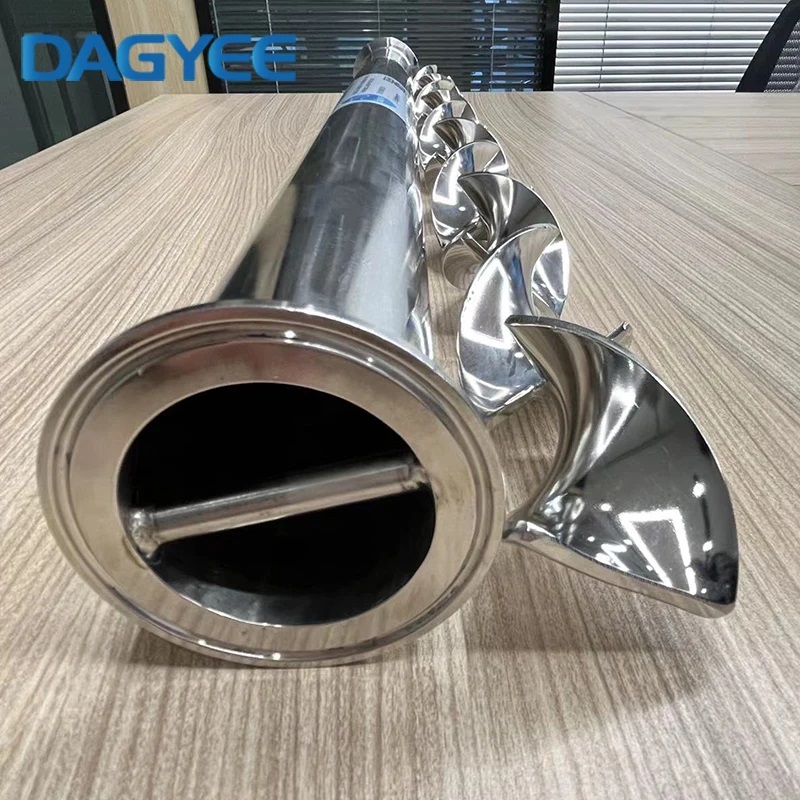
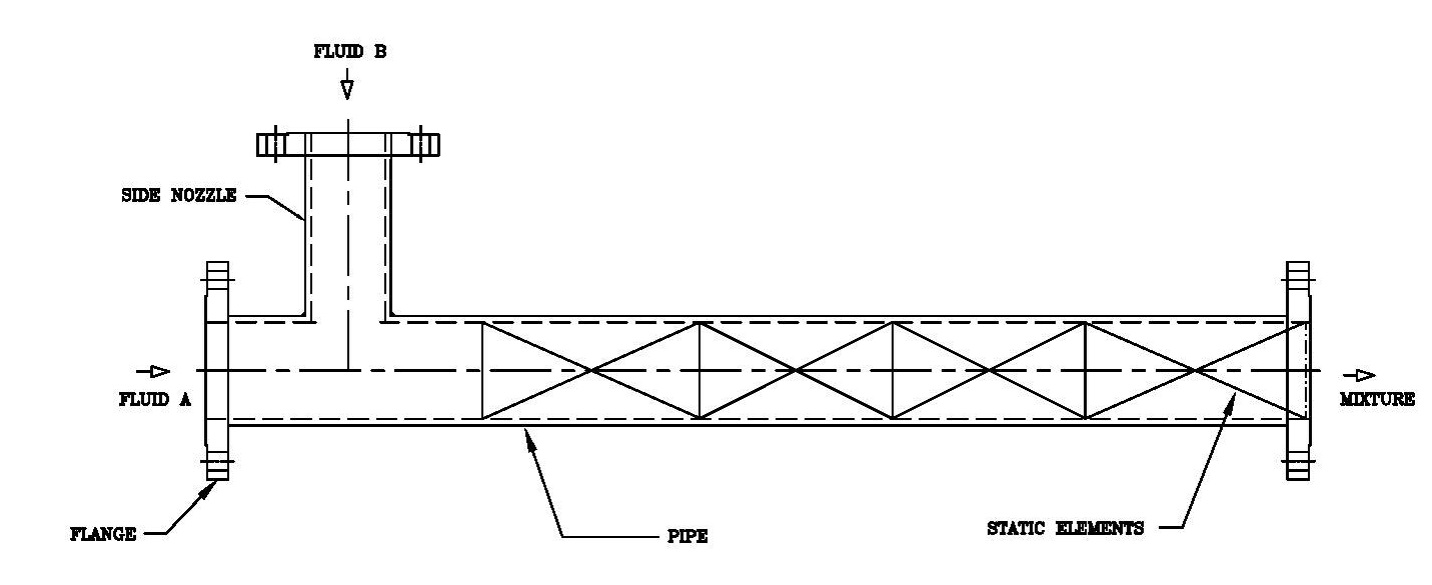
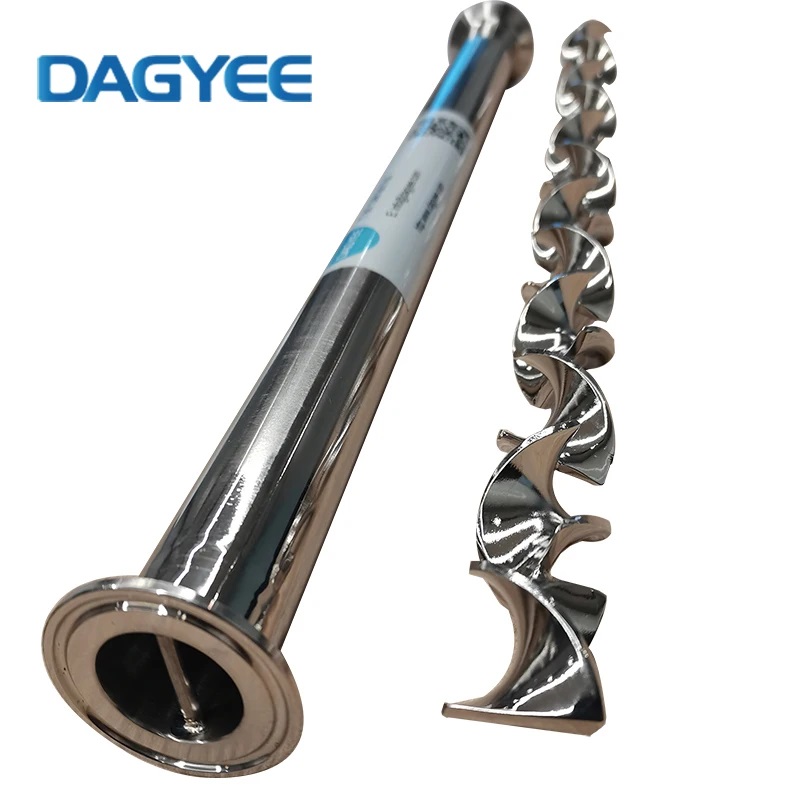
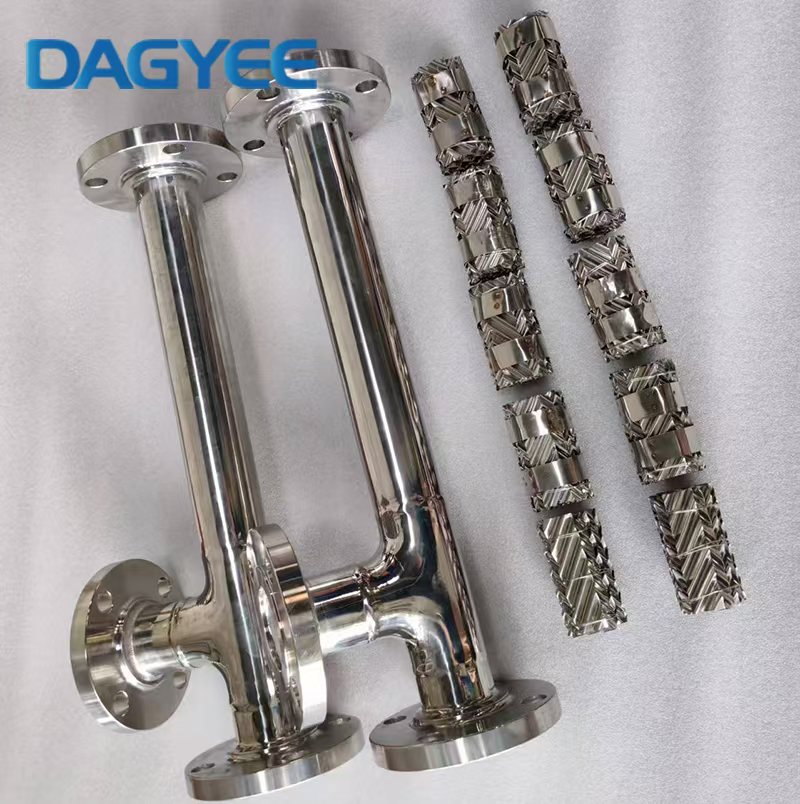
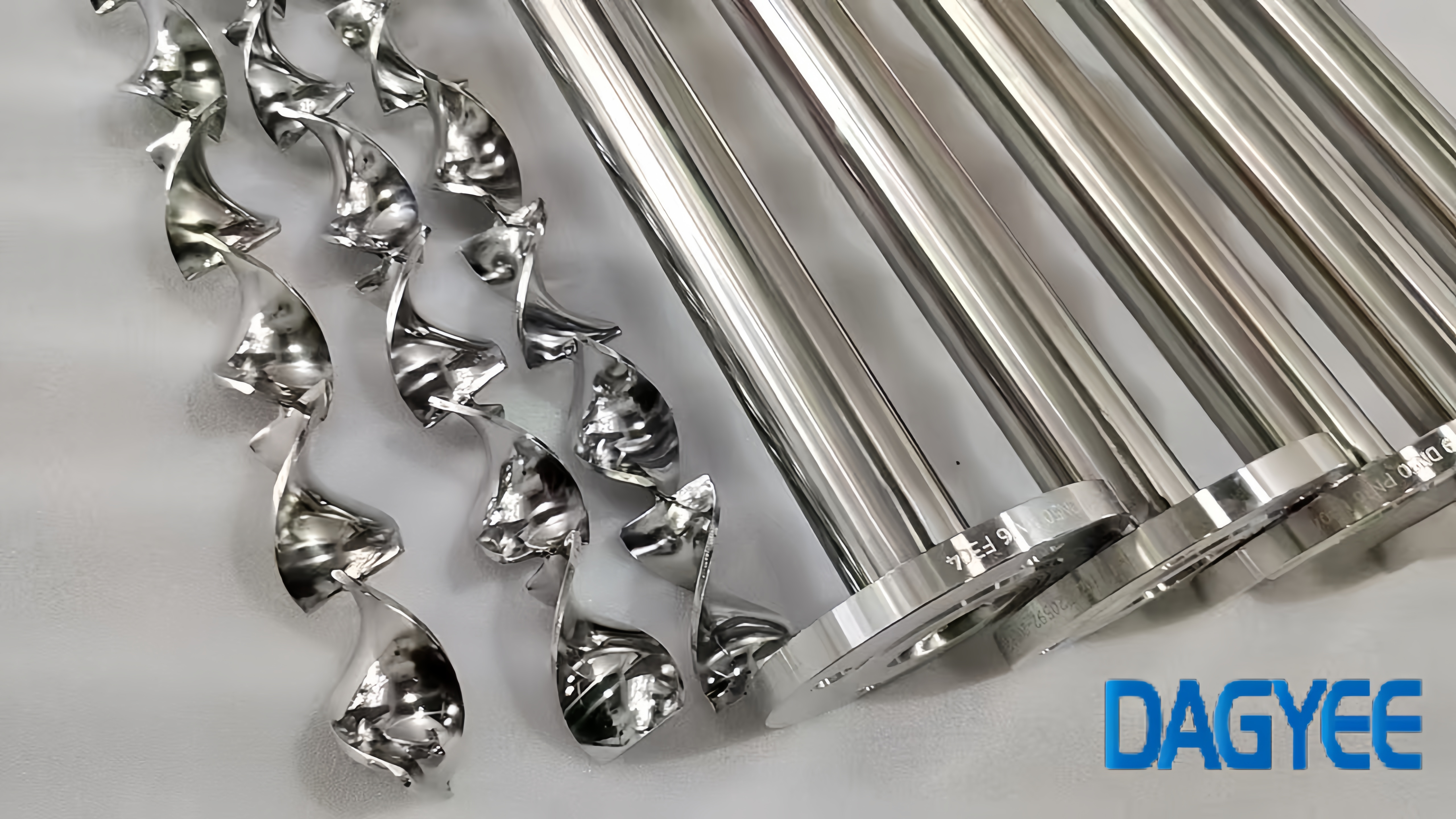
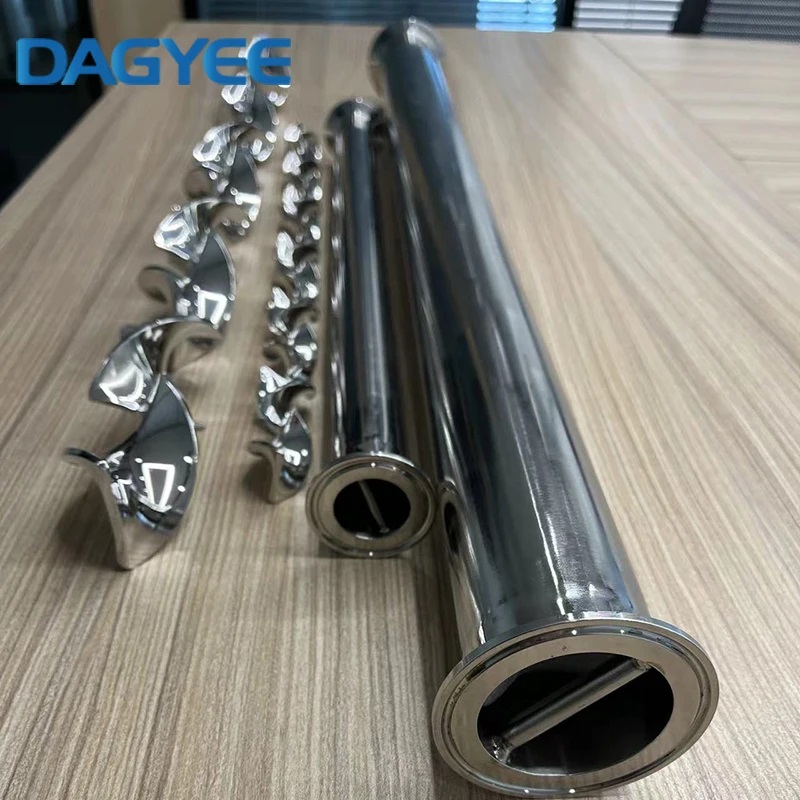
Stainless steel static mixers are devices that do not require power drive and use special designed spiral plates, blades, etc. as mixing elements to fully mix and react two or more media during their flow. Their core advantages lie in simple structure, small floor space, low energy consumption, and convenient maintenance, and are widely used in processes such as medium mixing, emulsification, dispersion, reaction, and heat exchange.
The commonly used stainless steel materials in industry are mainly divided into three categories. The applicable working conditions and maintenance priorities of different materials vary, as shown in the following table, to facilitate enterprises in choosing the appropriate equipment based on their production media and conducting targeted maintenance work.
| Stainless Steel Material | Core Characteristics | Suitable Applications | Maintenance Focus |
|---|---|---|---|
| 304 Stainless Steel | Resistant to neutral and weakly acidic media; low cost, strong versatility; surface passive film easily damaged by chloride ions | Food & beverage, freshwater treatment, general chemical media (chloride-free, non-strongly corrosive) | Regular cleaning; avoid contact with chlorine-containing media; prevent surface scratches |
| 316L Stainless Steel (Contains Mo) | Better corrosion resistance than 304; withstands certain concentrations of chloride ions, weak acids; good toughness, excellent weldability | Seawater treatment, brine mixing, weak acid chemical reactions, pharmaceutical intermediate production | Regularly inspect passive film integrity; control medium temperature and concentration; avoid crevice corrosion |
| 2205 Duplex Steel | Extremely strong corrosion resistance; withstands strong acids, high chloride media; high strength, outstanding stress corrosion resistance | Sulfuric acid, hydrochloric acid and other strong acid systems; high-salt wastewater treatment; harsh chemical reaction conditions | Annual thickness inspection; control temperature fluctuations; perform stress relief after welding |
Apart from material differences, the model and specifications of the stainless steel static mixer also affect the maintenance method. The following is a table of core technical parameters for common models, covering the most commonly used key data in the enterprise selection and maintenance process, making it convenient for maintenance personnel to quickly refer to and carry out precise maintenance.
Customization function
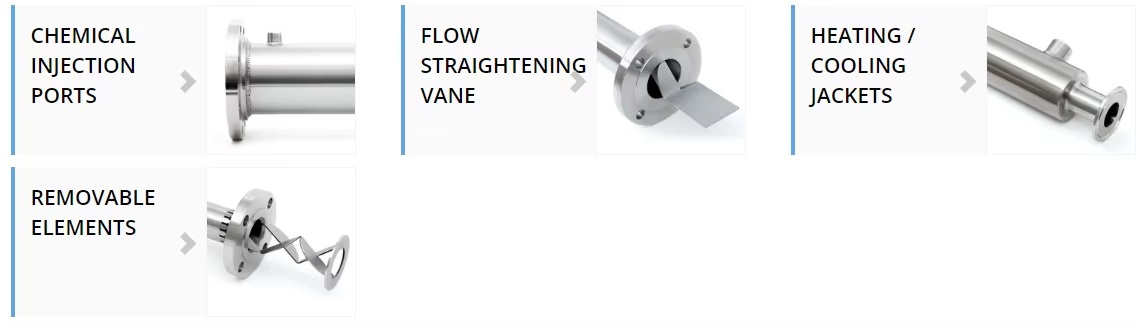
These custom static mixers offer versatile optional features to enhance process performance and adapt to diverse application requirements:
1. Chemical Injection Ports: Integrated ports for introducing treatment chemicals directly into the process stream, enabling immediate, in-line mixing and eliminating the need for pre-mixing tanks.
2. Flow Straightening Vane: A precision-engineered internal vane designed to eliminate fluid swirl and turbulence upstream, ensuring uniform flow profiles for optimal mixing efficiency and consistent downstream results.
3. Heating/Cooling Jackets: External jackets that allow for temperature control of the process fluid, supporting heating, cooling, or maintaining constant temperatures for temperature-sensitive mixing reactions.
4. Removable Mixing Elements: Easily detachable internal mixing elements that simplify cleaning, inspection, and maintenance, making the mixers ideal for sanitary, food-grade, or batch process applications requiring frequent sanitization.
Ends connector
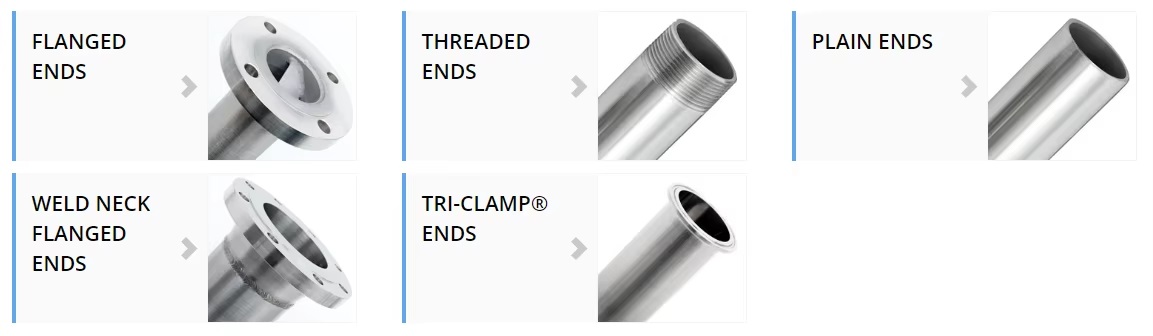
Available in a wide range of end connections to seamlessly integrate with existing piping systems across industrial, sanitary, and chemical processing setups:
1. Flanged Ends: Standard flange connections (ASME, DIN, or custom specifications) for high-pressure, high-vibration applications, providing robust, leak-tight connections suitable for most industrial process lines.
2. Threaded Ends: Male/female NPT or BSP threaded connections for low-to-medium pressure applications, offering quick, tool-free installation in compact, space-constrained systems.
3. Plain Ends: Smooth, unthreaded pipe ends for direct welding or socket weld connections, ideal for permanent, high-integrity installations in custom process layouts.
4. Weld Neck Flanged Ends: High-strength weld neck flanges with full penetration welds, engineered for extreme pressure, temperature, and cyclic loading conditions in critical industrial applications.
5. Tri-Clamp® Ends: Sanitary tri-clamp connections designed for food, beverage, pharmaceutical, and biotech industries, enabling fast disassembly for cleaning, sterilization, and validation in sanitary process lines.
| Model | Dg (mm) | dh (mm) | Q (m³/h) |
|---|---|---|---|
| SK-5/10 | 10 | 5 | 0.15-0.3 |
| SK-7.5/15 | 15 | 7.5 | 0.3-0.6 |
| SK-10/20 | 20 | 10 | 0.6-1.2 |
| SK-12.5/25 | 25 | 12.5 | 0.9-1.8 |
| SK-16/32 | 32 | 16 | 1.4-3.2 |
| SK-2040 | 40 | 20 | 2.2-4.5 |
| SK-25/50 | 50 | 25 | 3.5-7.0 |
| SK-32.5/65 | 65 | 32.5 | 5.9-12 |
| SK-40/80 | 80 | 40 | 9-18 |
| SK-50/100 | 100 | 50 | 14-28 |
| SK-62.5/125 | 125 | 62.5 | 22-44 |
| SK-75/150 | 150 | 75 | 31-64 |
| SK-100/200 | 200 | 100 | 56-110 |
| SK-125/250 | 250 | 125 | 88-177 |
| SK-150/300 | 300 | 150 | 127-255 |
| SK-175/350 | 350 | 175 | 173-346 |
| SK-200/400 | 400 | 200 | 226-452 |
| SK-250/500 | 500 | 250 | 353-706 |
II. Daily Maintenance Practical Steps
The core of daily maintenance for stainless steel static mixers is "preventing residue, corrosion, and loosening". No complex tools or professional skills are required. Maintenance personnel can operate according to the steps. It is divided into three levels: daily cleaning, daily inspection, and weekly inspection, balancing practicality and convenience.
(1) Daily Cleaning: It must be done after each run to avoid residue and scaling
Residue of the medium is one of the main reasons for equipment blockage and corrosion. Especially in food, pharmaceutical, and high-viscosity medium conditions, it must be cleaned promptly after each shutdown. The cleaning methods vary depending on the specific conditions. The detailed operations are as follows:
1. Food/Pharmaceutical Industry: This industry has extremely high hygiene requirements. After each run, immediately rinse the equipment interior with warm water (40-60℃). The rinsing time should be no less than 5 minutes to ensure that all residual materials are discharged. For materials with high viscosity (such as syrups, ointments), add a neutral cleaning agent (pH value 7-8) and rinse for 20-30 minutes. Then rinse with deionized water and avoid leaving the cleaning agent. Do not use chlorine-based cleaning agents (such as 84 disinfectant) or strong acid and strong alkali cleaning agents to prevent damage to the stainless steel surface passivation film.
2. General Chemical Industry: For neutral and weakly acidic media, a water rinse is sufficient after each shutdown. If the medium contains a small amount of sediment, use high-pressure water (pressure ≤ 1.0 MPa) for rinsing. Focus on the gaps and welds of the mixing elements to avoid sediment adhesion.
3. High Corrosion, High Viscosity Conditions: After each run, first rinse with a solvent compatible with the medium (such as clean water + a small amount of neutral corrosion inhibitor), then rinse with clean water. Finally, blow dry the interior with compressed air to prevent water residue from causing corrosion.
Note: For non-detachable stainless steel static mixers, it is strictly prohibited to forcibly disassemble. A circular cleaning method can be used to ensure no residue inside. For detachable models (such as SK, SV types), they can be disassembled and cleaned regularly, but during disassembly, handle with care to avoid scratching the surface of the mixing elements.
(2) Daily Inspection: 5-minute quick check, promptly detecting small hazards
Before and after each startup and shutdown, spend 5 minutes for basic inspection to effectively prevent small hazards from escalating. The specific inspection contents are as follows:
1. Leakage Check: Observe whether there is medium leakage at the inlet and outlet flanges and joints. If leakage is found, immediately tighten the bolts. If the bolts are severely loose or the gasket is aging, immediately replace the gasket (recommend using PTFE gaskets or metal wound gaskets, compatible with stainless steel material).
2. Operating Status Check: After startup, observe whether the pressure and temperature during operation are normal. If there is a sudden increase in pressure or abnormal temperature fluctuations, immediately stop the machine for troubleshooting to prevent overload.
3. Appearance Check: Visual inspection of the equipment surface. Check for scratches, rust, deformation, etc. If there is slight rust on the surface, wipe it with a stainless steel-specific cleaner, remove the rust, and apply a layer of anti-rust oil to protect the passivation film.
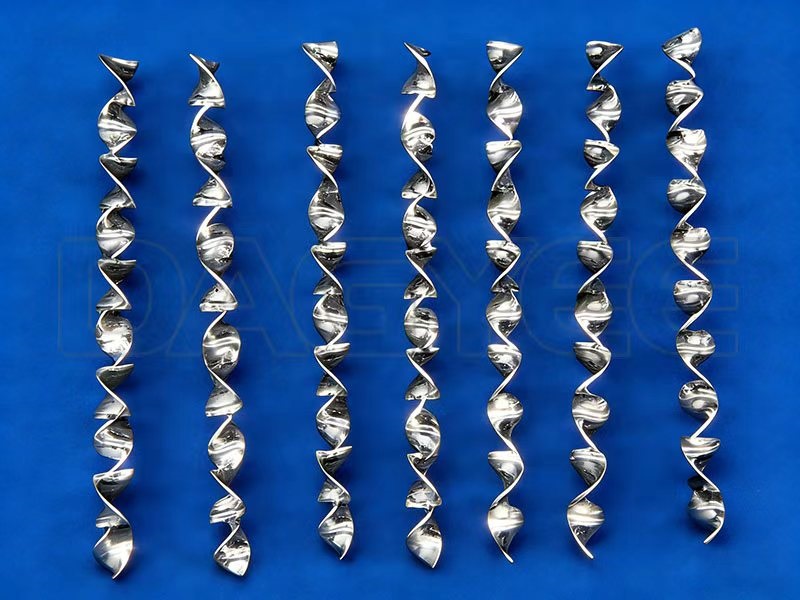
(3) Weekly Inspection: Focus on checking easily worn components to extend equipment lifespan
Conduct a comprehensive inspection once a week, focusing on easily worn components such as mixing elements, fasteners, and seals. The specific inspection contents are as follows:
1. Mixing Element Inspection: For detachable models, disassemble and inspect the spiral plates and blades for wear, deformation, and corrosion. If the spiral plate is severely worn (thickness reduction exceeds 10%), replace it immediately; if there is slight deformation, it can be corrected to avoid affecting the mixing efficiency.
2. Fastener inspection: Check if the flange bolts and fixing bolts are loose. Especially for the 316L material bolts, it is necessary to regularly verify the torque (recommended torque values: M16 bolts 80-100N·m, M20 bolts 120-150N·m). Prevent the bolts from getting stuck or loosening, which could lead to leakage. At the same time, check if there is any rust on the bolt surface. If there is rust, replace the bolts immediately to avoid bolt fracture.
3. Sealing component inspection: Check if the gaskets and sealing rings are aged, deformed, or damaged. If any of these conditions occur, replace them immediately to prevent medium leakage and also to prevent the leaked medium from corroding the equipment surface.
III. Regular Deep Maintenance and Corrosion Prevention
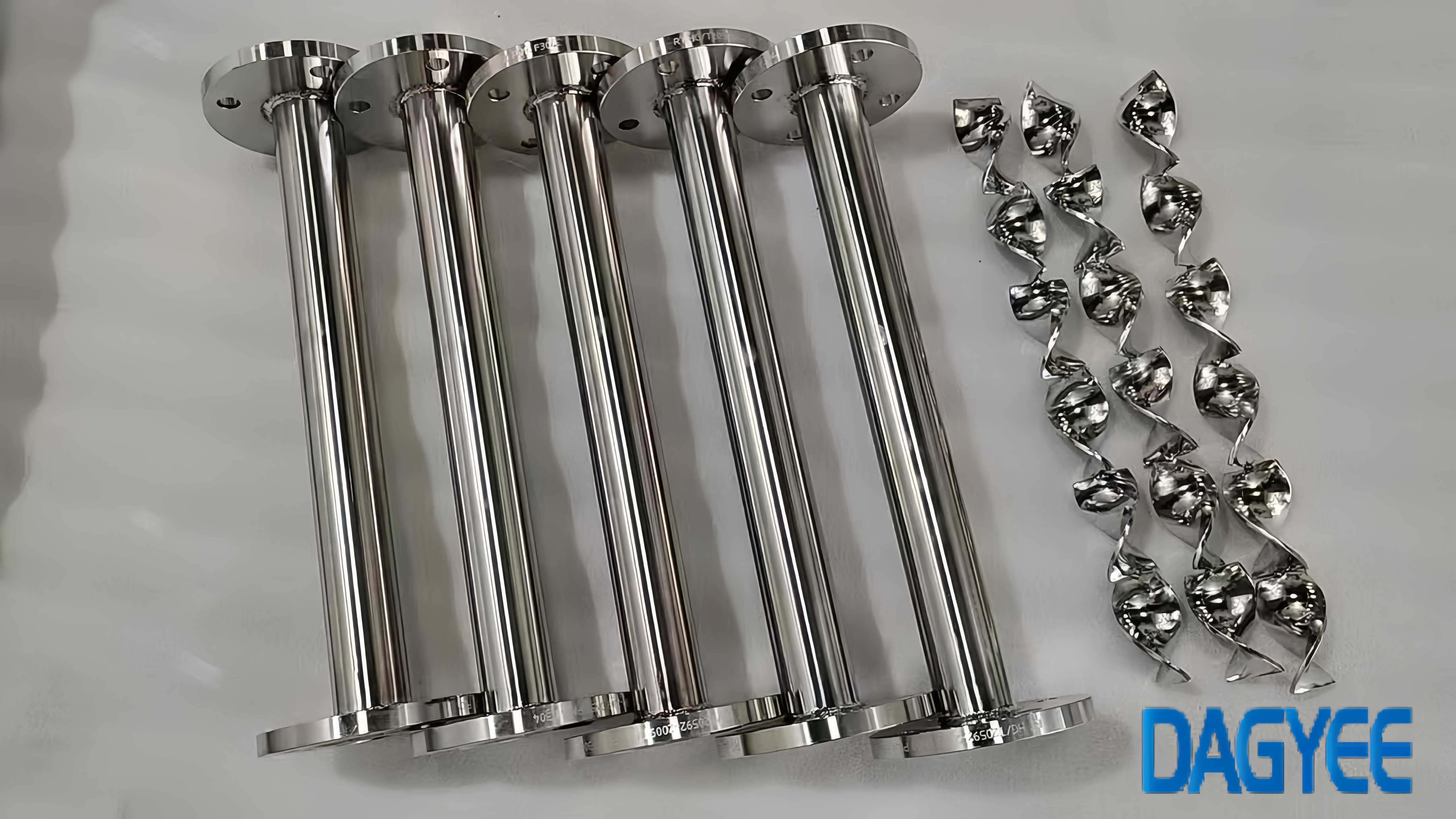
(1) Quarterly Deep Maintenance: Focus on cleaning and wear detection
Carry out deep maintenance every 3 months. The core is to thoroughly clean the internal parts of the equipment and inspect the wear of the mixing elements. The specific operations are as follows:
1. Deep cleaning: For detachable models, disassemble the equipment and remove the mixing elements. Soak them in a dedicated cleaning agent (suitable for the corresponding material) for 30-60 minutes, then rinse with high-pressure water to remove deposits and sediment on the surface of the elements. For non-detachable models, use a circulating cleaning method, rinse with the cleaning agent for 1-2 hours to ensure no deposits inside. After cleaning, rinse with deionized water and dry the internal moisture.
2. Wear detection: Use calipers and rulers to measure the thickness and size of the mixing elements and compare them with the original parameters. If the wear exceeds the allowable range (thickness reduction ≥ 10%), replace the mixing elements immediately; at the same time, check the weld seams of the mixing elements to see if there are cracks or corrosion. If so, promptly perform welding or polishing treatment.
3. Pressure drop monitoring: Measure the pressure difference between the inlet and outlet of the equipment. Under normal circumstances, the pressure drop of the stainless steel static mixer should be ≤ 0.5 MPa. If the pressure drop abnormally increases (exceeding 0.8 MPa), it indicates that there is blockage or deposition inside the equipment, and a thorough cleaning is required; if the pressure drop remains abnormal after cleaning, check if the mixing elements are deformed or clogged.
(2) Semi-annual Maintenance: Seal and anti-corrosion inspection, strengthening equipment protection
Carry out maintenance every 6 months. The key is to check the sealing performance and anti-corrosion condition. The specific operations are as follows:
1. Seal performance inspection: Conduct a comprehensive inspection of the sealing parts and flange connections of the equipment, replace aging or damaged gaskets and seals; for flange surfaces, clean and polish to avoid medium stagnation and prevent crevice corrosion.
2. Anti-corrosion inspection: For 316L stainless steel equipment, check the integrity of the surface passivation film. Use passivation film detection agent. If the passivation film is damaged, promptly perform passivation treatment (soak in 5% citric acid solution for 30 minutes, then rinse with clean water, dry and apply passivation agent); for 2205 duplex steel equipment, check if there is pitting or crevice corrosion on the surface. If so, promptly repair.
3. Fastener maintenance: For all bolts, perform rust removal and lubrication treatment, apply anti-bite agent (suitable for stainless steel material) to avoid rust and bite, facilitating subsequent disassembly and maintenance.
(3) Annual Maintenance: Comprehensive inspection, identifying potential hazards
Carry out annual comprehensive maintenance. The core is to inspect the overall performance and corrosion condition of the equipment, and identify potential hazards. The specific operations are as follows:
1. Wall thickness detection: Use ultrasonic thickness gauge to detect the wall thickness of the equipment shell and mixing elements, especially for 2205 duplex steel equipment, ensure the corrosion rate ≤ 0.02 mm/year. If the wall thickness reduction exceeds the standard, replace the equipment or components immediately.
2. Radiographic inspection: Conduct color radiographic or ultrasonic inspection of the welds and joints of the equipment to check for cracks, pores, etc. If defects are found, promptly repair to prevent defect expansion and equipment damage.
3. Material compatibility check: Based on changes in production conditions, check if the equipment material is still compatible with the current medium. If the conditions change (such as an increase in chloride ion concentration in the medium), replace the compatible stainless steel material in time to avoid equipment corrosion.
4. Overall Performance Test: After the equipment is powered on and running, the parameters such as mixing efficiency, pressure drop, and temperature are measured and compared with the original parameters of the equipment. If there is a significant deviation in the parameters, the causes should be promptly investigated and the maintenance plan adjusted.
(4) Targeted Corrosion Prevention Techniques (Suitable for Different Operating Conditions)
The corrosion of stainless steel static mixers can be mainly divided into three types: crevice corrosion, stress corrosion, and pitting corrosion. The prevention methods for different types of corrosion are different. The specific details are as follows:
1. Crevice Corrosion Prevention: Crevice corrosion mostly occurs at the flange connection points and the gaps of the mixing elements. It is mainly caused by the retention of the medium. The prevention method: Polish the weld seams to reduce the gaps; Use metal wound gaskets at the flange connection points to avoid the retention of the medium; Clean the gaps monthly and conduct annual internal inspection of crevice corrosion risks, and handle them promptly.
2. Stress Corrosion Prevention: Stress corrosion mostly occurs in equipment that has not undergone stress relief treatment after welding and in working conditions with large temperature fluctuations. The prevention method: 316L stainless steel equipment must undergo stress relief annealing treatment after welding; During operation, strictly control temperature fluctuations (≤50℃/h) to reduce thermal stress; Avoid the equipment from being impacted or squeezed, and reduce mechanical stress.
3. Pitting Corrosion Prevention: Pitting corrosion mostly occurs in working conditions with chloride ions and strong acids, mainly due to the destruction of the passive film. The prevention method: Select the appropriate stainless steel material (such as 316L for chloride-containing media, 2205 duplex steel for strong acids); Regularly test the passive film and promptly perform passive treatment; Avoid using cleaning agents containing chlorine or fluorine to prevent the destruction of the passive film.
IV. Common Fault Troubleshooting and Solutions
| Common Fault | Troubleshooting Methods | Solutions | Preventive Measures |
|---|---|---|---|
| Equipment Leakage |
1. Check if flange bolts are loose; 2. Inspect gaskets and seals for aging or damage; 3. Check weld seams for cracks or corrosion. |
1. Tighten loose bolts; 2. Replace aged or damaged gaskets and seals; 3. Repair cracks and corrosion on weld seams by welding. |
Weekly inspection of bolt tightness; replace seals every six months; annual weld seam inspection. |
| Reduced Mixing Efficiency / Blockage |
1. Check for internal blockage or scaling; 2. Inspect mixing elements for deformation or wear; 3. Test for abnormal increase in medium viscosity. |
1. Thoroughly clean equipment interior to remove blockages and scale; 2. Replace severely deformed or worn mixing elements; 3. Adjust medium viscosity to meet equipment requirements. |
Monthly inspection of mixing elements; regular cleaning; ensure stable medium flow rate. |
| Equipment Corrosion |
1. Check for rust, pitting, or crevice corrosion on surface; 2. Verify compatibility between medium and equipment material; 3. Check if passive film is damaged. |
1. Repair corroded areas and perform passivation; 2. Replace with stainless steel material compatible with current medium; 3. Perform regular passivation treatments to restore passive film. |
Select compatible materials; regularly inspect passive film; perform anti-corrosion maintenance. |
| Mixing Element Fracture |
1. Check for severe wear of mixing elements; 2. Verify if medium flow rate is overloaded; 3. Check if equipment has been impacted or crushed. |
1. Immediately replace fractured mixing elements; 2. Adjust medium flow rate to avoid overload; 3. Repair damaged parts and prevent further impact. |
Regularly inspect mixing element wear; control medium flow rate; avoid equipment impact. |
V. Long-term Shutdown Maintenance Techniques
If the stainless steel static mixer needs to be shut down for a long period (more than 1 month), if not properly maintained, it will lead to rusting, corrosion, and aging of the sealing components, and may cause failures when reactivated. The core of long-term shutdown maintenance is "damp-proofing, anti-corrosion, and anti-aging". The specific operation steps are as follows:
1. Empty the medium: Completely empty all the medium in the equipment to avoid corrosion caused by the retention of the medium. For viscous media, solvent rinsing can be used before emptying.
2. Thorough cleaning: Use clean water and neutral cleaning agent to thoroughly clean the inside of the equipment, remove residual medium and deposits, then rinse with deionized water, and finally dry the inside with compressed air to ensure no moisture residue.
3. Anti-corrosion treatment: Apply a layer of stainless steel-specific anti-rust oil inside the equipment, on the flange surfaces, and on the bolt surfaces to protect the equipment surface and prevent atmospheric corrosion; for 2205 duplex steel equipment, a one-time passivation treatment can be performed to enhance the anti-corrosion ability.
4. Seal storage: Seal the inlet and outlet of the equipment with blind plates to prevent dust and moisture from entering the equipment interior; remove the detachable mixing elements and seals, wipe them clean, and store them in a dry and ventilated environment to avoid aging and rusting.
5. Regular inspection: During long-term shutdown, inspect the equipment appearance and storage condition once a month. If rust oil falls off, blind plates are loose, etc., replenish the rust oil and tighten the blind plates in time; if the environment is humid, place desiccants around the equipment to prevent it from getting damp.
VI. Maintenance Precautions and Industry Standards
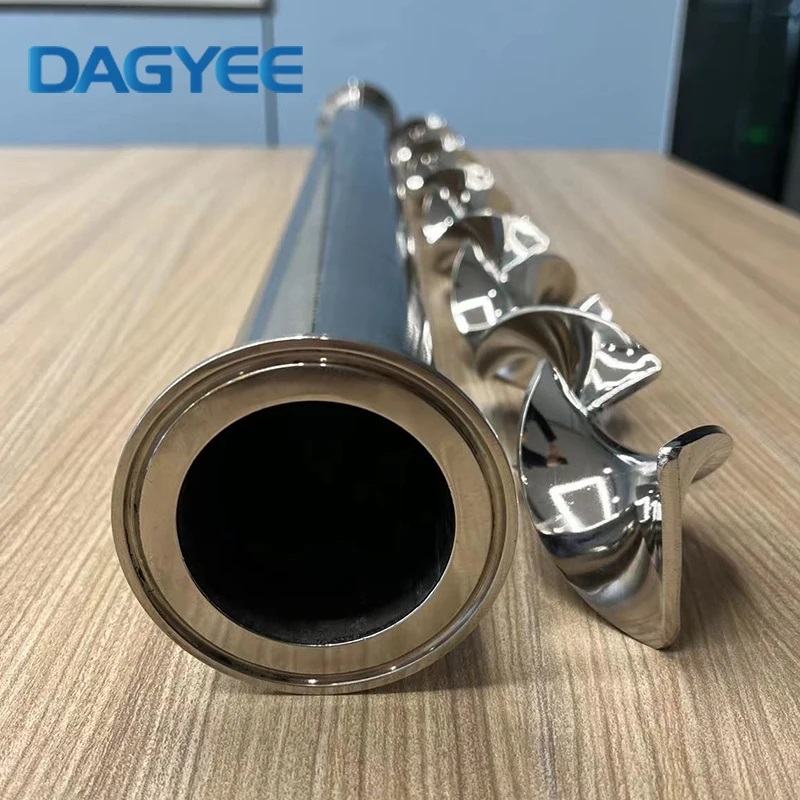
When conducting maintenance work on the stainless steel static mixer, strictly follow the following precautions and industry standards to avoid improper operation causing equipment damage or personnel safety accidents:
1. Safe operation: Before maintenance, stop the machine, cut off the power supply, and empty the medium. Take safety protection measures (wear gloves, goggles), and strictly prohibit maintenance operations while the equipment is running; when disassembling the equipment, handle with care to avoid component collisions and scratches.
2. Cleaning agent selection: Must select cleaning agents compatible with the equipment material. Do not use cleaning agents containing chlorine, fluorine, strong acids, or strong bases, as they may damage the stainless steel passivation film. For the food and pharmaceutical industry, choose food-grade cleaning agents to ensure no residues.
3. Component replacement: When replacing mixing elements, seals, and bolts, select components that match the equipment model and material. Do not use substandard components, as it may affect the equipment performance. After replacement, conduct a trial run to ensure the equipment operates normally.
4. Maintenance records: Establish a maintenance ledger for the equipment, detailing the time, content, fault conditions, and solutions of each maintenance, for subsequent traceability. Based on the maintenance records, adjust the maintenance cycle and optimize the maintenance plan.
5. Industry standards: Follow the "General Technical Conditions for Static Mixers" (HG/T 20592-2019) to ensure the maintenance work complies with industry standards. For the pharmaceutical and food industries, also comply with GMP standards to ensure the equipment is clean and free of residues.
VII. Summary
The maintenance of the stainless steel static mixer does not have complex procedures. The core lies in "not slackening in daily cleaning, not missing in regular maintenance, having targeted corrosion protection, and promptly troubleshooting faults". Through the maintenance guidelines compiled in this article, enterprise operation personnel can quickly master practical skills. Based on their own working conditions, they can formulate suitable maintenance plans to effectively extend the equipment's service life, reduce downtime due to faults, and ensure the equipment operates stably for a long time.
It should be noted that stainless steel is not "inherently rust-proof". Its corrosion resistance depends on scientific maintenance and correct use. Only by paying attention to every maintenance detail can the advantages of the stainless steel static mixer be fully utilized, and the production of the enterprise be guaranteed. Meanwhile, if the equipment encounters complex malfunctions, it is recommended to contact professional maintenance personnel for handling to avoid damaging the equipment due to improper operation.
If you encounter any other problems during the maintenance of the stainless steel static mixer, please feel free to contact us.

Name: Ashely Li
Mobile:+8613961861780
Tel:+8613961861780
Whatsapp:8613961861780
Email:info@dagyee.com
Add:Room 302, Building 11-4, Hongyi Road, Xinan Town, Xinwu District, jiangsu Province, China