English
 Chinese
info@dagyee.com
+8613961861780

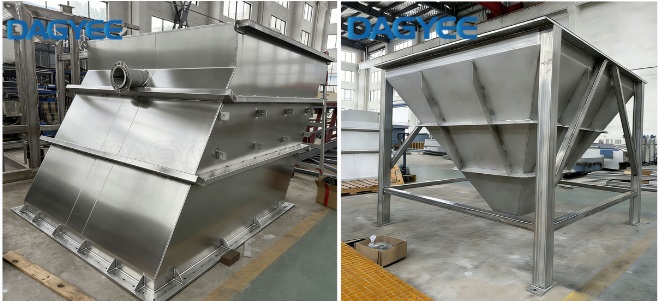
Solid-liquid separation is a crucial step in modern water treatment processes, and its effectiveness directly influences the degree of water purification and treatment efficiency. The Lamella Clarifier, as an advanced solid-liquid separation device, has been widely applied in various water treatment scenarios worldwide due to its unique design and outstanding performance.
I. Working Principle: High-Efficiency Sedimentation Based on the Shallow Tank Theory
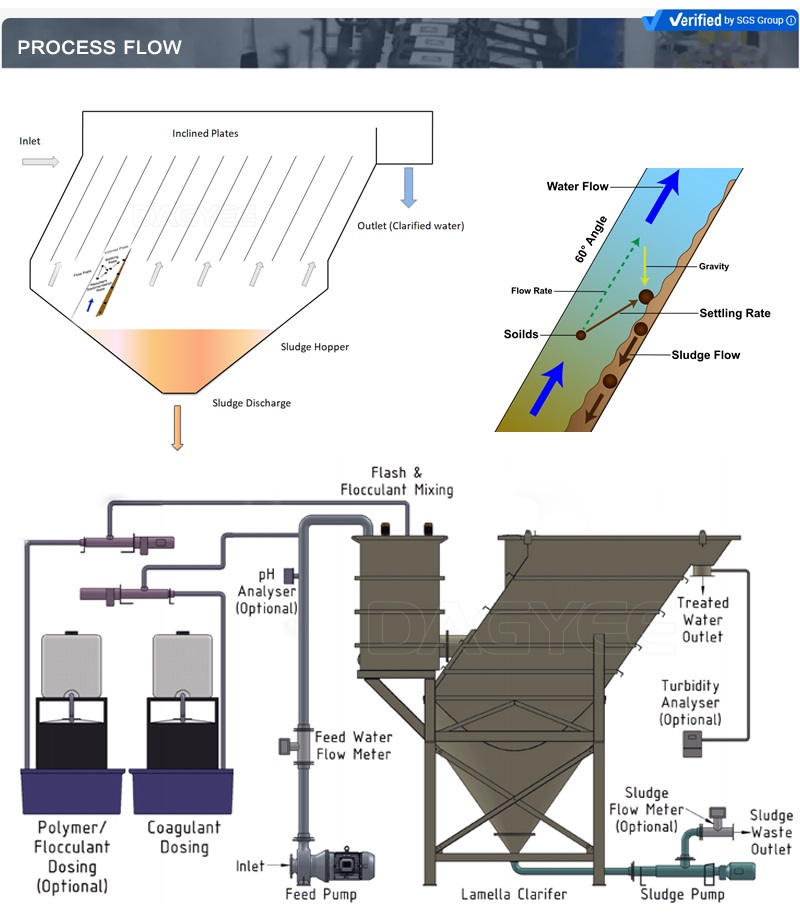
The theoretical foundation of the Lamella sedimentation technology is the "shallow tank theory" proposed by Professor Hazen of Germany in the early 20th century. The core idea of this theory is that the sedimentation efficiency mainly depends on the sedimentation area rather than the sedimentation depth. In traditional sedimentation tanks, particles need to travel a long vertical distance, which is time-consuming and inefficient. However, the Lamella Clarifier significantly increases the sedimentation area by installing a series of inclined plates (lamellae) or tubular components (lamellar tubes) in the sedimentation separation zone. For instance, in a conventional-sized sedimentation tank, the sedimentation area can be instantly increased from tens of square meters to hundreds of square meters after installing lamellae. When wastewater enters the Lamella Clarifier, it first passes through a pre-reaction device where suspended particles in the water fully react with flocculants to form larger flocs, facilitating subsequent sedimentation.
Then, the water flows into the sedimentation separation zone equipped with lamellae or lamellar tubes. Between the lamellae (tubes), the water flow presents a slow and stable laminar state, reducing the disturbance of particle sedimentation caused by water turbulence. Under the influence of gravity, solid particles in the water settle onto the surface of the lamellae (tubes), and the particles that have settled onto the lamellae (tubes) slide down along the inclined surface and eventually fall into the sludge hopper at the bottom of the sedimentation tank; the supernatant that has been sedimented flows out from the upper part of the sedimentation tank, completing the solid-liquid separation process. Due to the presence of lamellae (tubes), the effective separation rate per unit area can be several times that of traditional sedimentation tanks, significantly increasing the surface load of the sedimentation tank and greatly improving the sedimentation efficiency.
II. Structural Design: Scientific Layout Ensures Efficient Operation
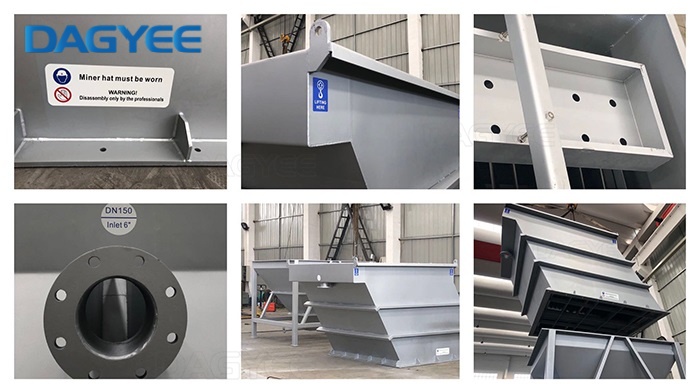
(1) Lamellae (Tubes) Components
Lamellae (tubes) are the core components of the Lamella Clarifier, and their material and structural design have a significant impact on the sedimentation effect.
| Item | Specification & Design Value | Remarks |
| Main Material | Imported rigid PVC plate / High-quality PP plate | Corrosion-resistant, high mechanical strength |
| Plate Thickness | 6–8 mm | Ensures long-term stable operation |
| Effective Length | 1.5 m | Extended sedimentation path |
| Inclination Angle | 60° | Facilitates sludge sliding, prevents clogging |
| Plate / Tube Spacing | 8–10 cm | Balances flow and anti-clogging performance |
| Tube Structure | Honeycomb tube | Smooth interior, low flow resistance |
| Auxiliary System | Backwashing device | Regular cleaning to maintain efficiency |
(2) Inlet and Distribution System
The Lamella Clarifier has excellent inlet conditions and adopts a special inlet design to ensure that the wastewater can enter the sedimentation zone uniformly and stably, avoiding short-circuiting and disturbance. Through an equal resistance distribution system, the water distribution to each group of lamellae (tubes) is balanced, ensuring a uniform water flow distribution throughout the sedimentation area and fully exerting the sedimentation effect of the lamellae (tubes). In some large Lamella Clarifiers, a special inlet energy dissipation device is also set up to convert the kinetic energy of the inlet water into potential energy, avoiding the impact of high-speed water flow on the sedimentation process.
(3) Sludge Collection and Discharge System
At the bottom of the sedimentation tank, a sludge hopper is set up to collect the settled sludge. The sludge that has settled on the lamellae (tubes) and slid down to the bottom of the tank is further concentrated in the sludge hopper. To ensure the sludge can be discharged smoothly, the sludge discharge method of pump suction is usually adopted. The sludge that has settled and concentrated in the bottom sludge hopper can be discharged more thoroughly through pump suction, and at the same time, prevent the bottom from being clogged and hardened. According to the water quality conditions, a sludge concentration and scraping device can be installed at the bottom to optimize the sludge discharge environment, improve the sludge discharge efficiency, and ensure that the sludge in the sedimentation tank does not accumulate in large quantities and affect the sedimentation effect.
(4) The supernatant collection system
The supernatant after sedimentation is collected through a specific collection device at the top of the sedimentation tank. The direct collection system of supernatant can quickly and efficiently lead the clarified water out of the sedimentation tank, avoiding the re-disturbance of the already settled particles. In the collection device, structures such as overflow weirs are usually set up. By adjusting the height of the overflow weir, the water level in the sedimentation tank can be kept stable, ensuring the consistency of the effluent quality.
III. Performance Advantages: Multi-dimensional display of outstanding performance
| Performance Index | Lamella Sedimentation Tank | Traditional Horizontal / Vertical Flow Tank |
| Sedimentation Efficiency | Several to tens of times higher | Baseline level |
| Floor Occupation | About 20% of traditional tanks | Conventional large footprint |
| Hydraulic Load | High, adapts to large flow fluctuations | Low, sensitive to flow changes |
| Water Quality Adaptability | Strong (high/low turbidity, low temp, seasonal water) | General, limited to stable raw water |
| Maintenance Cost | Low, few moving parts, long service life | Relatively high, frequent cleaning required |
| Typical Capacity Improvement Case | 50,000 m³/d → 100,000 m³/d (no major area increase) | Limited upgrade potential |
(1) High sedimentation efficiency
Based on the shallow pool theory and unique structural design, the sedimentation efficiency of the Lamella Clarifier is much higher than that of traditional sedimentation tanks. Compared with conventional horizontal flow and vertical flow sedimentation tanks, its sedimentation efficiency can be increased several times or even tens of times. When treating the same amount of wastewater, the Lamella Clarifier can achieve solid-liquid separation in a shorter time, greatly enhancing the overall treatment capacity of the water treatment system. For example, in a wastewater treatment plant renovation project, after replacing the original horizontal flow sedimentation tank with a Lamella Clarifier, the daily wastewater treatment capacity increased from 50,000 tons to 100,000 tons, while the area occupied by the sedimentation tank did not increase significantly.
(2) Small footprint
Due to the significant improvement in sedimentation efficiency, the footprint of the Lamella Clarifier is only about 20% of that required by traditional sedimentation systems. This advantage is particularly prominent in urban areas with tight land resources and industrial projects with high requirements for space layout. For example, in the construction of small-scale wastewater treatment stations in urban centers, the Lamella Clarifier, with its compact structure, can achieve efficient wastewater treatment within a limited area without the need for large-scale land acquisition, reducing construction costs and land resource occupation.
(3) Large hydraulic load
The Lamella Clarifier has a large hydraulic load and can adapt to different flow rates of wastewater. Its good water distribution and sedimentation effect ensure stable solid-liquid separation performance even at high flow rates. In some industrial production processes, the wastewater discharge flow rate may fluctuate greatly. The Lamella Clarifier can effectively cope with this situation and ensure normal operation during peak flow periods, maintaining the stability of the entire water treatment system.
(4) Strong water quality adaptability
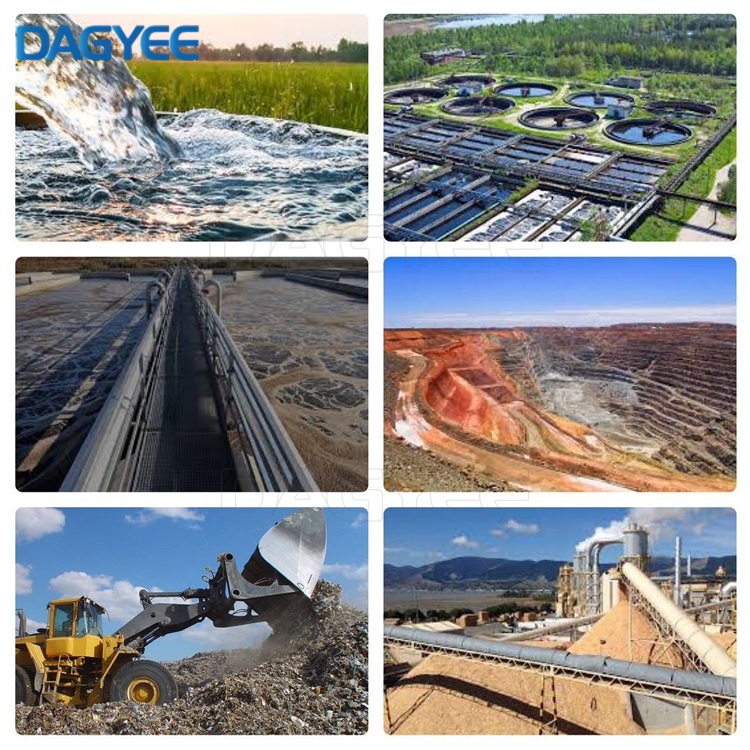
Whether it is municipal water supply treatment, upgrading of sewage treatment plants, industrial water treatment, rural drinking water purification, or farmland water-saving irrigation, the Lamella Clarifier can play an excellent role. It is suitable for various water quality conditions, including scenarios with large variations in water source turbidity and high water quality requirements. When treating high-turbidity raw water (such as raw water from the Yellow River Basin), by reasonably adjusting the dosage of flocculant and sedimentation time, a large amount of suspended particles such as sand and silt in the water can be effectively removed; when treating low-temperature, low-turbidity, seasonal, and climatic raw water (such as reservoir water), the inclined plate (pipe) structure of the Lamella Clarifier can create favorable sedimentation conditions, ensuring stable and compliant effluent quality.
(5) Low maintenance cost
The Lamella Clarifier has few internal moving parts and mainly relies on gravity sedimentation and simple backwashing devices to maintain operation. The equipment failure rate is low, and the service life is long. The inclined plates (pipes) are made of durable materials and are not easily damaged. Moreover, it is equipped with a backwashing device, which can effectively reduce the clogging of inclined plates (pipes), lowering the frequency of manual cleaning and equipment maintenance. At the same time, its sludge discharge system is reasonably designed, ensuring smooth sludge discharge and further reducing maintenance difficulty and cost. For example, in a certain industrial wastewater treatment project, the Lamella Clarifier has only undergone a few routine maintenance operations in five years, significantly reducing maintenance costs compared to other complex sedimentation equipment.
IV. Application Areas: Widely covering various water treatment scenarios
| Application Field | Main Function | Treatment Target |
| Municipal Water Supply | Raw water preliminary purification | Suspended solids, silt, turbidity |
| Sewage Plant Upgrading | Advanced treatment & discharge upgrade | SS, COD, TP, effluent to Grade 1A |
| Industrial Water Treatment | Pretreatment for electronics, pharma, food & beverage | Particulates, impurities, microorganisms |
| Rural Drinking Water | Small-scale decentralized purification | Sand, algae, suspended impurities |
| Agricultural Irrigation | Irrigation water clarification | Pipeline clogging impurities, organic debris |
(1) Municipal water supply treatment: In urban water supply systems, the Lamella Clarifier is used for the preliminary purification of raw water. By removing impurities such as sand and suspended solids from the raw water, it provides high-quality feed water for subsequent filtration and disinfection processes, ensuring the safety of urban residents' water supply. In areas with poor water source quality, the high-efficiency sedimentation capacity of the Lamella Clarifier can significantly improve the quality of raw water and enhance the quality of water supply.
(2) Upgrading of sewage treatment plants: With increasingly strict environmental protection standards, many sewage treatment plants need to be upgraded to meet higher effluent quality requirements. The Lamella Clarifier plays a crucial role in the upgrade process from the first-level B standard to the first-level A standard in sewage treatment plants. By adding the Lamella Clarifier to the existing sewage treatment process, it can further remove suspended solids, chemical oxygen demand (COD), total phosphorus, and other pollutants from the sewage, ensuring that the effluent quality stably meets the first-level A standard and achieving the goal of standard-compliant discharge or reclaimed water reuse.
(3) Industrial water treatment: In industrial production, different industries have varying requirements for water quality. The Lamella Clarifier can be used for the pretreatment of various industrial water, such as in the electronics, pharmaceutical, and food and beverage industries. In the electronics industry, where the purity of production water is extremely high, the Lamella Clarifier can effectively remove particulate impurities from the raw water, providing good feed water conditions for subsequent advanced treatment processes such as reverse osmosis, and ensuring the quality of electronic product production; in the food and beverage industry, it can remove microorganisms and suspended solids from the water, ensuring that the production water meets hygiene standards.
(4) Rural drinking water purification: In vast rural areas, due to the scattered water sources and significant differences in water quality, it is crucial to build efficient and economical drinking water purification facilities. The Lamella Clarifier, with its small footprint, high sedimentation efficiency, and low maintenance costs, is an ideal choice for rural drinking water purification. It can effectively treat water sources commonly found in rural areas that contain sand, algae, and other impurities, providing safe and hygienic drinking water for rural residents.
(5) Agricultural water-saving irrigation: In the field of agricultural irrigation, the efficient utilization of water resources is key. The Lamella Clarifier can be used to treat irrigation water sources, remove impurities from the water, prevent clogging of irrigation pipelines, and improve the operational efficiency of the irrigation system. At the same time, the water after sedimentation and purification can be used for agricultural irrigation, which helps reduce soil pollution and the spread of pests and diseases, promotes the growth of crops, and achieves water-saving irrigation and sustainable agricultural development.
V. Development Prospects: Continuous innovation to drive environmental protection upgrades
| Development Direction | Key Technical Improvements |
| Higher Sedimentation Efficiency | Optimized lamella material, structure, arrangement & inlet design |
| Lower Energy Consumption | High-efficiency pumps, optimized operation control strategies |
| Intelligent Operation | IoT, big data, real-time monitoring, remote control, auto parameter adjustment |
| Wider Application | Modular, integrated, skid-mounted units for decentralized treatment |
With its unique working principle, scientific structural design, outstanding performance advantages, and wide application areas, the Lamella Clarifier has become an indispensable important equipment in the field of water treatment. In the future journey of environmental protection, it will continue to innovate and develop, making greater contributions to the cause of global water resource protection and sewage treatment.
VI. Contact Us for Customized Lamella Clarifier Solutions
If you are interested in learning more about our lamella clarifier or need a customized solution for your water treatment project, please contact our sales team. Our experts will work with you to assess your requirements and recommend the perfect equipment to meet your goals.

Name: Ashely Li
Mobile:+8613961861780
Tel:+8613961861780
Whatsapp:8613961861780
Email:info@dagyee.com
Add:Room 302, Building 11-4, Hongyi Road, Xinan Town, Xinwu District, jiangsu Province, China