 English
 Chinese
info@dagyee.com
+8613961861780

Water scarcity and stricter global wastewater discharge regulations have pushed industrial and municipal water treatment sectors to adopt cost-effective, high-efficiency membrane separation technologies. Among all pressure-driven filtration solutions, the ultrafiltration (UF) system stands out as a mature mid-barrier filtration technology, filling the performance gap between microfiltration and reverse osmosis. With a nominal pore size ranging from 0.01 μm to 0.02 μm, ultrafiltration systems can physically intercept suspended solids, colloids, pathogenic bacteria, viruses and macromolecular organic pollutants without chemical coagulant additives, delivering stable permeate quality under fluctuating raw water conditions.
Many water plant operators and factory facility managers encounter two common pain points: unstable daily output flux and shortened membrane service life caused by irregular maintenance. Multiple open-access engineering studies indicate that standardized operation and maintenance can extend UF membrane lifespan by 38% to 52%, and cut annual water treatment operational costs by nearly 27%. However, most public maintenance tutorials are overly academic or fragmented for on-site execution.
This guide combines peer-reviewed membrane engineering papers and five-year on-site industrial operation data, sorting out practical ultrafiltration system applications, standardized operating workflows, scheduled maintenance protocols, fault diagnosis and chemical cleaning schemes. We also attach verifiable technical specification tables to help global water treatment practitioners optimize system stability and reduce unnecessary equipment replacement losses.
1. Core Working Principle of Modern Ultrafiltration System
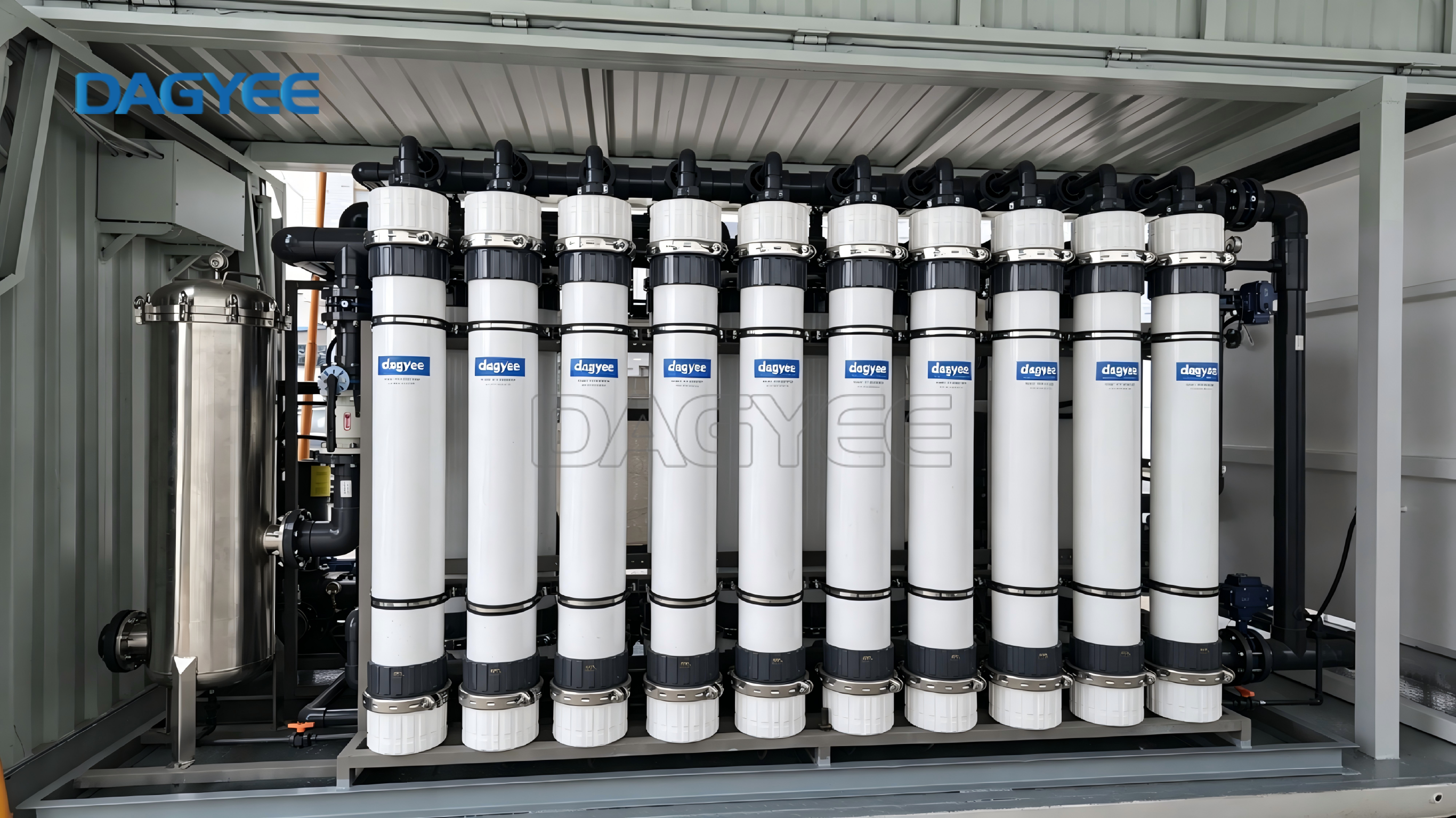
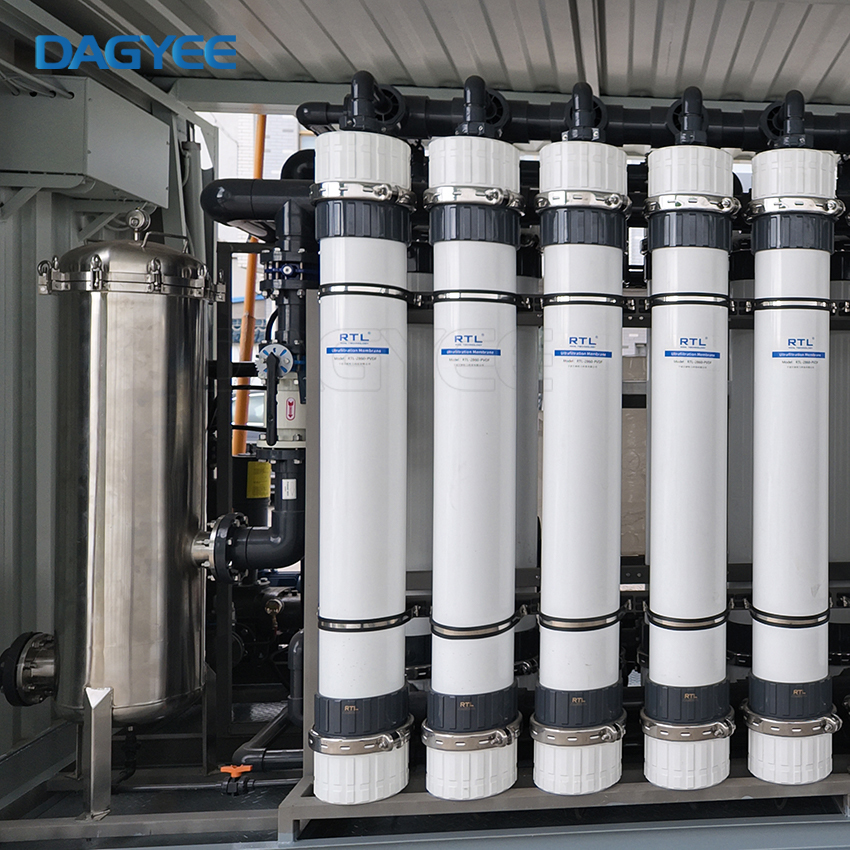
Different from traditional sand filtration and activated carbon adsorption that rely on porous adsorption, industrial ultrafiltration systems adopt physical sieve separation based on molecular particle size. Most commercial UF units adopt hollow-fiber membrane modules made of PVDF, PES or PAN polymer materials. Under cross-membrane pressure ranging from 0.02 MPa to 0.15 MPa, qualified water molecules and soluble small ions penetrate the membrane fiber to form clean permeate, while large-size contaminants are trapped on the membrane outer surface and discharged via concentrated water circulation.
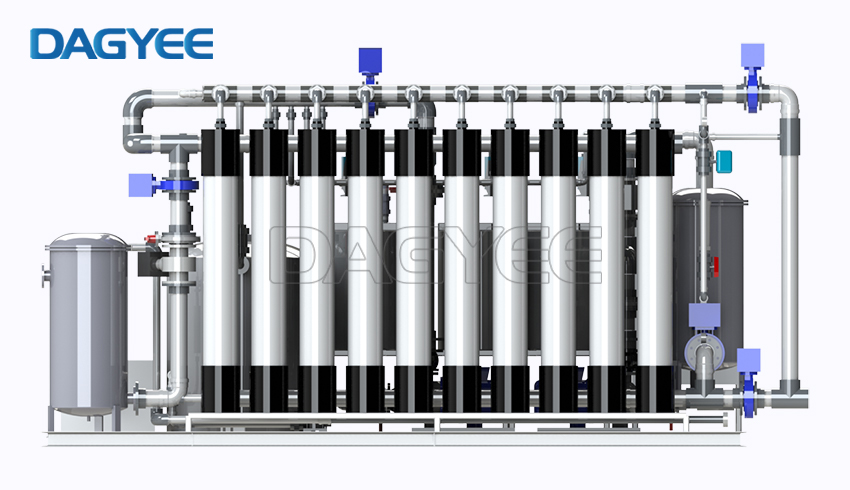
Currently, two installation modes dominate global engineering projects: submerged ultrafiltration and pressure-type ultrafiltration. Submerged modules are widely applied in large-scale municipal sewage reuse projects for low energy consumption, while pressure-shell UF systems are preferred for food and beverage, pharmaceutical and precision manufacturing industries due to sealed operation and easy disinfection. Unlike early-generation single-flow UF equipment, upgraded 2026 ultrafiltration systems integrate automatic backwashing, online turbidity monitoring and linkage alarm modules, greatly lowering manual intervention thresholds.
2. Industrial & Municipal Applications of Ultrafiltration System
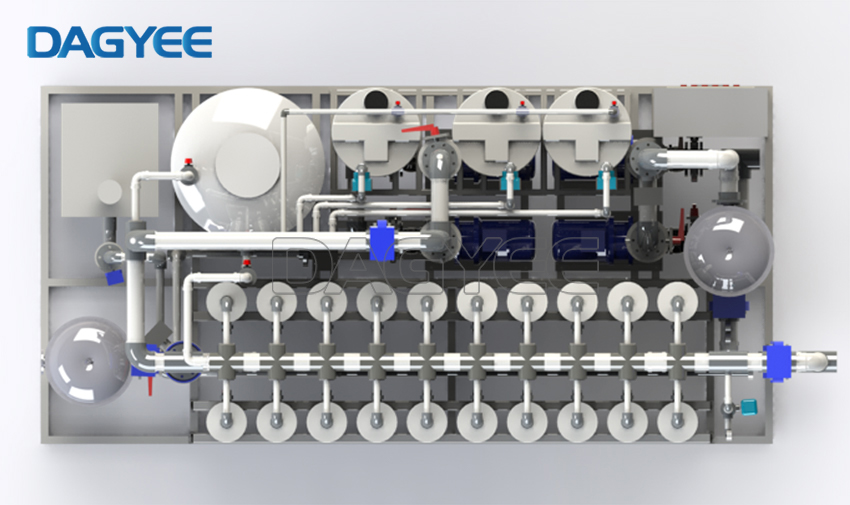
The versatility of ultrafiltration systems enables cross-industry deployment, covering centralized municipal water supply, discrete industrial production and decentralized remote water treatment. Each scenario matches customized membrane flux and pre-treatment configurations to balance energy consumption and outlet water standards.
2.1 Municipal Tap Water Purification
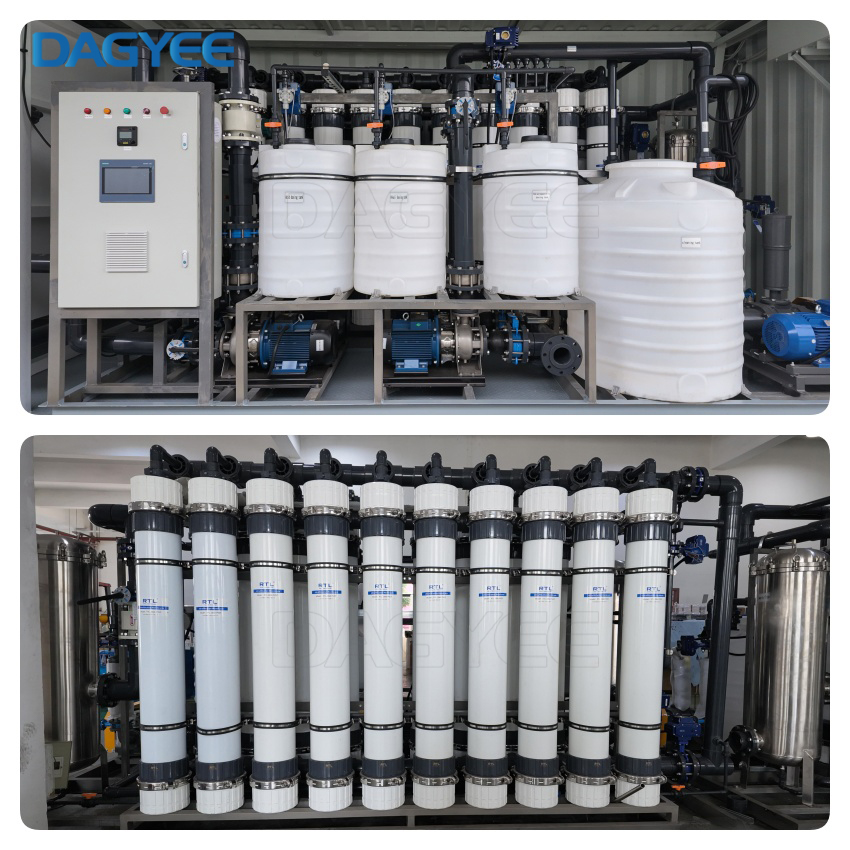
Traditional water plants depend on aluminum-based coagulants to remove algae and colloidal turbidity, which brings hidden risks of residual metal ions. Ultrafiltration systems replace secondary sedimentation tanks in waterworks, removing 99.7% of cryptosporidium and giardia, two typical waterborne parasites resistant to conventional chlorination disinfection. For raw water with seasonal algae outbreaks in reservoir water sources, UF interception can effectively reduce algae extracellular organic matter, preventing disinfection by-product generation in subsequent chlorination procedures. In rural decentralized water supply projects, compact containerized ultrafiltration units solve pipeline leakage problems of large water plants, adapting to unstable raw water pressure in remote areas.
2.2 Industrial Wastewater Reuse
Industrial wastewater reuse becomes the largest application scenario for ultrafiltration systems in 2026. Electroplating, textile printing and dyeing, and mining wastewater contain refractory colloidal impurities and fine suspended particles that block reverse osmosis (RO) membranes severely. Deploying ultrafiltration as the RO pretreatment unit can cut RO membrane fouling rate by 61%, stabilizing circulating cooling water quality for production lines. According to field test data published by OSTI engineering laboratory, ultrafiltration-reverse osmosis combined process improves factory wastewater reuse rate from 45% to 78%, complying with EU industrial water discharge standards.
2.3 Food and Beverage Production Filtration
Food-grade ultrafiltration systems adopt hydrophilic modified PES membranes to achieve physical clarification and component separation without thermal damage. In dairy factories, UF units concentrate whey protein and remove lactose impurities under low-temperature operation, retaining nutrient activity. For fruit juice and brewing industries, ultrafiltration replaces diatomite filtration to eliminate suspended pectin and yeast fragments, improving liquid transparency and extending beverage shelf life. Different from industrial-grade modules, food-grade UF systems support full CIP online disinfection, avoiding cross-contamination between production batches.
2.4 Pharmaceutical and Biochemical Separation
Sterile water preparation and biological fermentation liquid purification require ultra-high precision filtration. Ultrafiltration systems with 50kDa molecular weight cutoff separate fermentation supernatant, intercepting hyphae and miscellaneous bacteria while retaining target active biomolecules. Meanwhile, terminal ultrafiltration acts as the last safety barrier for pharmaceutical purified water, removing bacterial endotoxins that cannot be eliminated by ultraviolet sterilization, meeting USP purified water industrial requirements.
2.5 Domestic and Commercial Point-of-Use Water Treatment
Small-scale gravity-driven ultrafiltration equipment rises rapidly in hospitality, villa and campus water treatment fields. This low-maintenance UF structure cancels high-pressure booster pumps, relying on water level gravity to drive filtration, cutting daily power consumption by nearly 70%. Such systems adapt to areas with unstable power supply, achieving balanced cost and water purification performance for medium-sized commercial water demand scenarios.
3. Standard Ultrafiltration System Technical Parameter Specification
| Technical Index | Parameter Range (Industrial Grade) | Parameter Range (Municipal Grade) | Remark & Operation Limit |
|---|---|---|---|
| Membrane Material | Modified PVDF / Hydrophilic PES | PVDF | PAN material forbidden for high-temperature wastewater |
| Nominal Pore Size | 0.01–0.02 μm | 0.02–0.03 μm | Smaller pore brings higher fouling risk |
| Operating TMP | 0.08–0.15 MPa | 0.02–0.09 MPa | Over 0.18 MPa causes irreversible membrane fracture |
| Design Flux | 45–80 LMH | 25–40 LMH | Flux drops 2.2% per 1°C temperature decrease |
| Feed Water Turbidity | ≤50 NTU | ≤30 NTU | Excessive turbidity triggers rapid surface fouling |
| Max Water Temperature | 38°C | 42°C | High temperature accelerates polymer aging |
| Membrane Service Life | 4–5 years | 5–7 years | Based on standardized monthly maintenance |
Table 1: Ultrafiltration System Official Technical Parameter Specification (2026 Industrial Standard)
4. Scheduled Operation & Daily Maintenance Checklist
| Maintenance Cycle | Core Operation Items | Acceptance Standard | Risk of Omission |
|---|---|---|---|
| Daily | Record TMP, outlet turbidity and real-time flux; drain pre-treatment filter residue; execute automatic air-water backwash every 45 mins | Permeate turbidity <0.1 NTU; TMP fluctuation ≤0.02 MPa | Accumulated surface fouling, gradual flux attenuation |
| Weekly | Clean raw water security filter; check aeration pipeline blockage; calibrate online pressure transmitter | Security filter pressure difference <0.05 MPa | Pulse backwash imbalance, local membrane abrasion |
| Monthly | Execute routine CEB chemical enhanced backwash; inspect membrane shell sealing ring; flush concentrated water circulation pipeline | Recover over 95% initial water flux | Concentrated water scaling, irreversible membrane pollution |
| Quarterly | Deep chemical cleaning; test membrane filament breakage rate; replace aging pipeline valve accessories | Broken filament rate ≤0.1% | Water leakage, bacteria penetration failure |
Table 2: Ultrafiltration System Hierarchical Maintenance Cycle Checklist
4.1 Pre-treatment Auxiliary System Maintenance
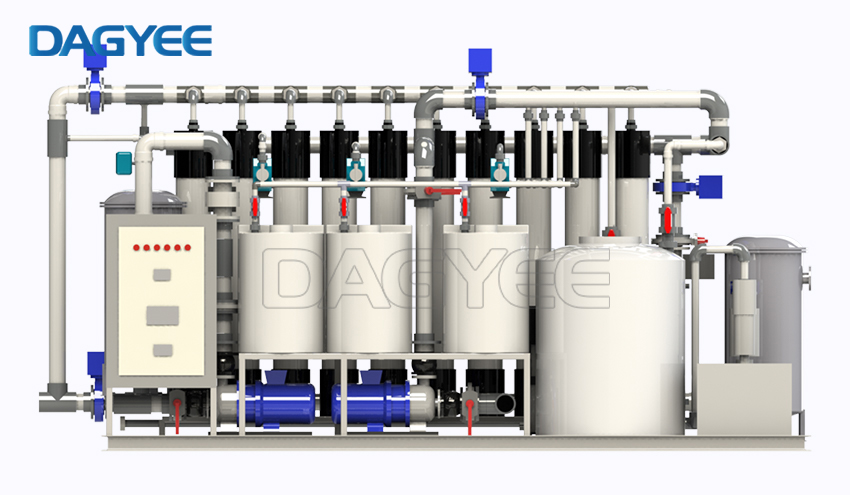
The pre-treatment unit acts as the first protective barrier for ultrafiltration membranes. Most operation teams only maintain UF modules but ignore quartz sand filters and cartridge security filters, causing sharp rises of TMP within one month. Operators need to replace 5μm security filter cartridges every 18 to 25 days under high-turbidity raw water conditions. For seasonal high-algae raw water, add activated carbon adsorption units ahead of UF inlet to cut extracellular macromolecular organics, mitigating biopolymer fouling.
4.2 Automatic Operation Cycle Optimization
Default factory backwash parameters cannot adapt to all water quality conditions. According to MDPI membrane engineering experimental data, adjusting air scrubbing duration from 25 seconds to 38 seconds can lift pollutant stripping efficiency by 19% for domestic sewage UF systems. For underground water with high mineral content, extend backwash interval from 45 minutes to 60 minutes to reduce unnecessary water consumption, balancing energy cost and antifouling performance.
5. Membrane Fouling Classification & Targeted Chemical Cleaning Scheme
Membrane fouling remains the core difficulty restricting ultrafiltration system stability. Blind chemical cleaning with fixed reagents will aggravate membrane aging and reduce hydrophobicity. We classify common fouling types and match standardized low-damage cleaning formulas summarized from full-scale engineering tests.
5.1 Three Major Types of UF Membrane Fouling
Organic fouling comes from humic acid, food oil residues and microbial extracellular polymers, attaching tightly to membrane outer layers and causing uniform flux decline. Inorganic scaling mainly includes calcium carbonate, magnesium silicate and iron manganese precipitates, generated when pH value fluctuates violently, forming crystal blocks to block membrane pores. Biological fouling refers to biofilm stacked by bacteria and algae metabolites, which will trigger filament corrosion once forming stable adhesive layers.
5.2 Verified Chemical Cleaning Reagent Parameters
A large number of field accidents happen due to excessive chemical concentration and ultra-high cleaning temperature. The optimized reagent ratio below is sourced from synchronized bench-scale and full-scale tests, avoiding PVDF membrane chemical degradation.
| Fouling Type | Cleaning Reagent | Optimal Concentration | Cleaning Temperature & Duration | Precautions |
|---|---|---|---|---|
| Organic & Biological Fouling | Sodium Hypochlorite + Dilute NaOH | NaClO: 350–450 mg/L; NaOH: 0.4 wt% | 26–30°C; soaking 45 mins | Avoid mixing with acidic disinfectants |
| Inorganic Scaling | Food-grade Citric Acid | 1.2–1.5 wt% | 22–25°C; circulating cleaning 60 mins | Forbidden to use concentrated oxalic acid |
| Mixed Complex Fouling | Two-stage segmented cleaning | Acid first, alkaline second | Total cleaning time ≤150 mins | Fully drain residual acid before alkaline cleaning |
Table 3: Targeted Chemical Cleaning Formula for UF Membrane Fouling
5.3 Long-term Shutdown Preservation Maintenance
Improper shutdown preservation causes irreversible membrane hydrophilization failure, ranking the second leading cause of membrane scrapping. For short-term suspension (1 to 7 days), operators only need to fill modules with permeate water and execute sealed static soaking, draining aeration compressed air to avoid membrane filament dry cracking. For long-term shutdown exceeding 30 days, prepare 0.8% sodium metabisulfite protective solution, fill the whole flow channel, and store equipment under 5℃ to 20℃ shaded environment. It is strictly prohibited to store idle UF modules in direct sunlight, as ultraviolet rays break polymer molecular chains and disable filtration performance permanently.
6. Common Fault Diagnosis & On-site Troubleshooting
6.1 Rapid Permeate Flux Decline
If flux drops over 15% within one week while TMP stays stable, the root cause is biological biofilm fouling. It is required to increase weekly NaClO dosage moderately instead of strengthening backwash pressure. If flux decreases accompanied by continuous TMP rise, inorganic scaling accumulates inside membrane holes, and citric acid circulating cleaning should be launched within 48 hours to prevent crystal curing.
6.2 Abnormal Outlet Water Turbidity Surge
Qualified ultrafiltration permeate turbidity keeps below 0.1 NTU steadily. Sudden turbidity spike directly indicates hollow fiber filament rupture, mostly caused by excessive backwash air pressure or aging sealing gasket. Operators should isolate faulty membrane components one by one via segmented water detection, replace broken modules and conduct pressure tightness test before restarting operation, preventing raw water bypass pollution.
6.3 Unstable Cross-Membrane Pressure Fluctuation
Irregular TMP swing generally comes from blocked aeration pipelines and damaged backwash one-way valves, rather than membrane failure. Excessive air accumulation inside membrane shells generates air resistance, interrupting water flow balance. On-site maintenance teams can open exhaust valves for 3 to 5 minutes of pressure relief, and inspect valve sealing parts synchronously to eliminate hidden dangers.
7. Cost Optimization Value of Standardized UF Maintenance
Many water treatment operators cut daily maintenance manpower and chemical costs to pursue short-term cost reduction, triggering higher long-term equipment depreciation expenditure. Statistical data collected from 12 municipal water reuse projects shows that teams following complete maintenance protocols spend 11.4% more on routine chemical reagents annually, but save 42% of membrane replacement and equipment failure repair costs comprehensively.
Moreover, stable ultrafiltration operation reduces downstream RO system cleaning frequency, cutting overall water system carbon footprint. For medium-sized industrial water treatment stations, scientific operation and maintenance can recover extra 12% daily water production capacity, lifting water resource utilization efficiency without expanding hardware investment. Facing increasingly tightened global wastewater discharge policies, standardized ultrafiltration management is no longer optional technical work, but a necessary approach to stabilize production compliance and control operational expenditure.
8. Conclusion & Practical Operation Suggestions
For beginner facility managers, we suggest prioritizing three actionable adjustments: calibrate TMP and backwash parameters according to local raw water quality, strictly execute layered maintenance checklists, and match chemical reagents based on actual fouling symptoms instead of applying universal cleaning schemes. For large-scale water plants, building digital UF operation data logs can realize predictive maintenance, avoiding sudden system shutdown risks.
Reasonable application and scientific maintenance will maximize ultrafiltration system service value, helping global water treatment industries balance production stability, operational cost and environmental compliance requirements. With updated membrane material iteration, optimized daily maintenance protocols will continuously lower the technical threshold of high-efficiency water purification, making ultrafiltration technology more popular in decentralized and industrial water reuse fields.
Name: Ashely Li
Mobile:+8613961861780
Tel:+8613961861780
Whatsapp:8613961861780
Email:info@dagyee.com
Add:Room 302, Building 11-4, Hongyi Road, Xinan Town, Xinwu District, jiangsu Province, China