 English
 Chinese
info@dagyee.com
+8613961861780

1. Introduction
Anyone managing or operating a wastewater treatment plant knows that energy cost is one of the biggest ongoing financial burdens. Across municipal and industrial WWTP facilities globally, aeration systems consistently account for 50% to 60% of total electricity usage. For decades, plant engineers have focused heavily on blower upgrades, variable-frequency drive tuning, and pipeline improvements to cut energy waste. Even with these optimizations, many facilities still struggle with slowly rising power bills and inconsistent effluent quality.
The overlooked root cause behind these persistent issues is the gradual degradation of fine-bubble aeration discs. Unlike pumps or blowers that display obvious failure signs, aeration disc performance declines incrementally over months and years. Micro-scale clogging, subtle membrane hardening, minor pressure buildup, and uneven bubble distribution rarely trigger immediate alarms during routine rounds. Yet these small, ongoing issues snowball into major operational losses, lower oxygen transfer efficiency, and increased compliance risk.
Manufacturers typically advertise aeration disc lifespans of 5 to 8 years under ideal lab conditions. However, real-world field data paints a far different picture. Most discs installed in industrial and high-strength municipal wastewater only last 2 to 3 years before requiring full replacement. This massive performance gap stems from widespread industry pain points that most standard product designs cannot fully resolve. This blog breaks down the most common aeration disc failures, explains their root causes with real field data, compares different product configurations, and shares practical, plant-tested solutions to extend service life and reduce long-term operational costs.
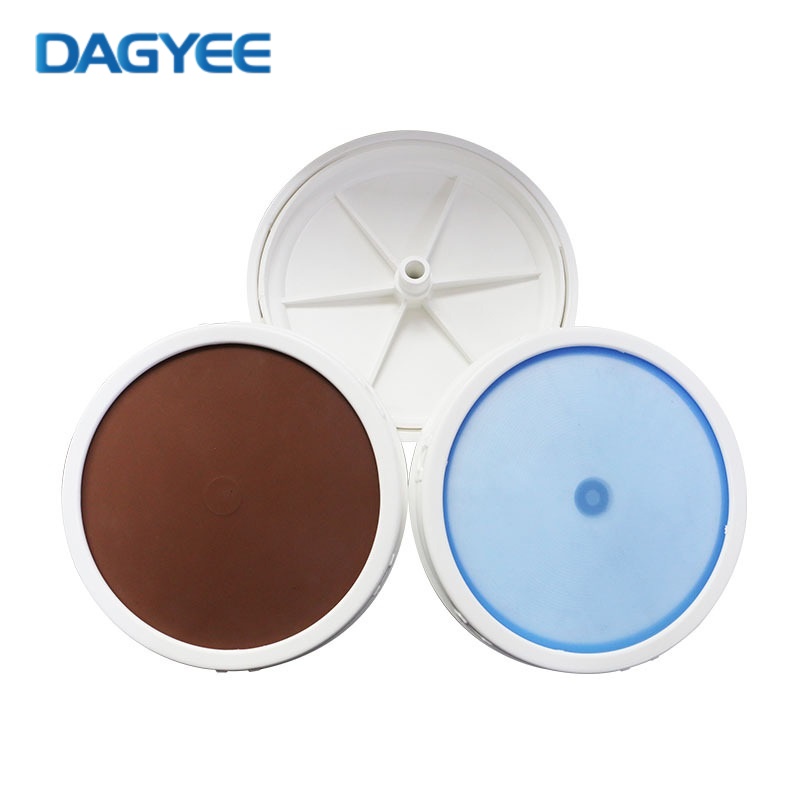
2. The Most Common Aeration Disc Pain Points & Root Causes
Aeration disc failures do not stem from a single factor. They result from a combination of chemical reactions, biological growth, mechanical fatigue, and improper operational habits. Understanding each pain point’s root cause helps WWTP teams move from reactive replacement to proactive system optimization.
2.1 Inorganic Scaling and Progressive Micropore Clogging
Inorganic scaling remains the number one issue for aeration discs in municipal wastewater operations. The problem originates from continuous gas and water chemical interactions during normal aeration. As fine bubbles release carbon dioxide from the water column, the localized pH level at the membrane surface rises rapidly. This pH shift triggers the precipitation of calcium carbonate, magnesium salts, and other hardness minerals present in standard wastewater.
Over time, these mineral crystals form hard, bonded deposits that lock into the disc’s tiny micropores. Unlike loose sludge buildup that can be washed away with basic flushing, crystalline scaling penetrates deep into the 80–100 micron slit structure of fine-bubble membranes. Once fully set, scaling restricts airflow and forces blowers to work harder to maintain consistent oxygen output.
Field observations from mid-scale wastewater facilities confirm that untreated scaling can increase blower energy consumption by 15% to 25%. Many operators assume slight pressure increases are normal system fluctuations, allowing clogging to worsen until aeration performance drops significantly and operational costs spiral upward.
2.2 Permanent Biological Fouling and Membrane Matrix Degradation
Biological fouling is far more destructive than inorganic scaling because it creates irreversible damage to aeration disc membranes. Two categories of biofouling impact wastewater aeration systems: temporary surface biofilm and permanent matrix fouling, often referred to as Type-II fouling in industrial research.
Surface biofilm forms when bacteria attach lightly to the membrane exterior. This layer can be removed through scheduled chemical cleaning and routine maintenance. Type-II fouling, by contrast, occurs when low-quality EPDM membranes leach residual plasticizers and processing additives into the surrounding water. These chemical compounds act as a nutrient source for bacteria, allowing microbial colonies to grow inside the rubber membrane structure rather than only on its surface.
As bacteria colonize the membrane interior, the material loses its original elasticity and flexibility. The membrane gradually hardens, slits deform permanently, and micro-cracks begin to spread across the disc surface. This issue accelerates dramatically in wastewater with high fat, oil, and grease (FOG) content. Standard EPDM membranes absorb hydrocarbon substances, causing swelling, distorted airflow slits, and complete fine-bubble failure within months. Field testing shows conventional EPDM discs struggle to maintain stable performance when FOG levels exceed 25mg/L, while basic silicone options fail above 40mg/L.
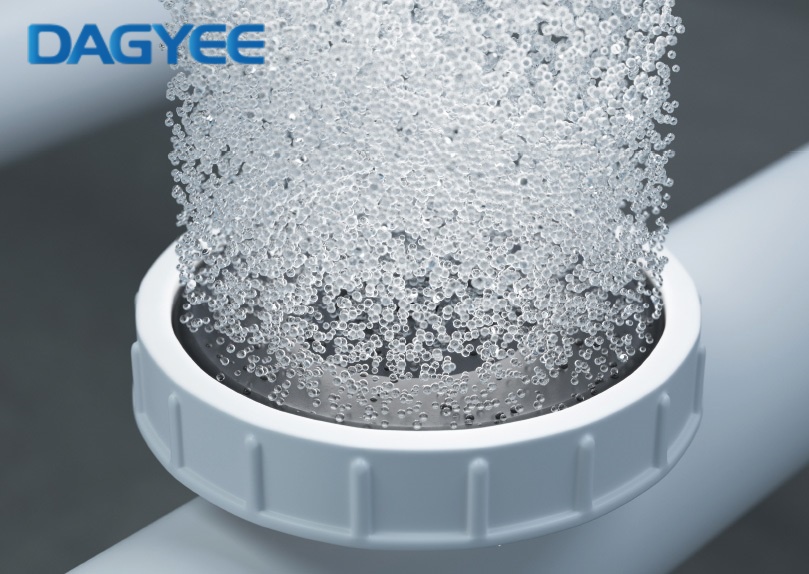
2.3 Membrane Aging, Hardening and Mechanical Fatigue
All polymer aeration membranes experience natural aging, but real operating conditions drastically speed up the process. Continuous pressure cycling from blower operation, long-term immersion in chemically active wastewater, repeated dry-wet cycles, and ongoing microbial erosion all contribute to gradual mechanical failure.
The most noticeable aging symptom is lost elasticity. As membranes harden, their micro slits no longer open and close properly during aeration cycles. Permanently widened slits produce larger, coarse bubbles, reducing total gas-liquid contact area and crippling oxygen transfer efficiency. On-site monitoring data reveals most aging discs lose 10% to 20% of their OTE within three years of installation, with efficiency losses climbing above 30% after five years.
Mechanical failures are not limited to membranes alone. Loose retaining rings, deformed plastic support bases, and degraded gaskets create air bypass issues, uneven bubble distribution, and aeration dead zones across the tank floor. These structural defects often go unnoticed until sludge buildup and odor problems become visible.
2.4 System-Level Side Effects from Poor Aeration Performance
Faulty aeration discs do not merely reduce aeration quality—they destabilize the entire biological treatment process. Inconsistent dissolved oxygen levels create low-oxygen and anaerobic zones in the aeration tank, leading to sludge sedimentation, hydrogen sulfide production, and unpleasant facility odors. Sulfide buildup also accelerates corrosion on tank walls, piping, and support structures, increasing long-term infrastructure repair costs.
For facilities focused on strict ammonia nitrogen removal, unstable aeration directly impairs nitrification efficiency. Many WWTPs face seasonal effluent violations not due to flawed process design, but from slowly declining aeration disc performance that operators fail to monitor and correct. Improper system retrofits compound these issues; upgrading to high-efficiency fine-bubble discs without matching blower capacity often results in wasted investment and subpar aeration results.
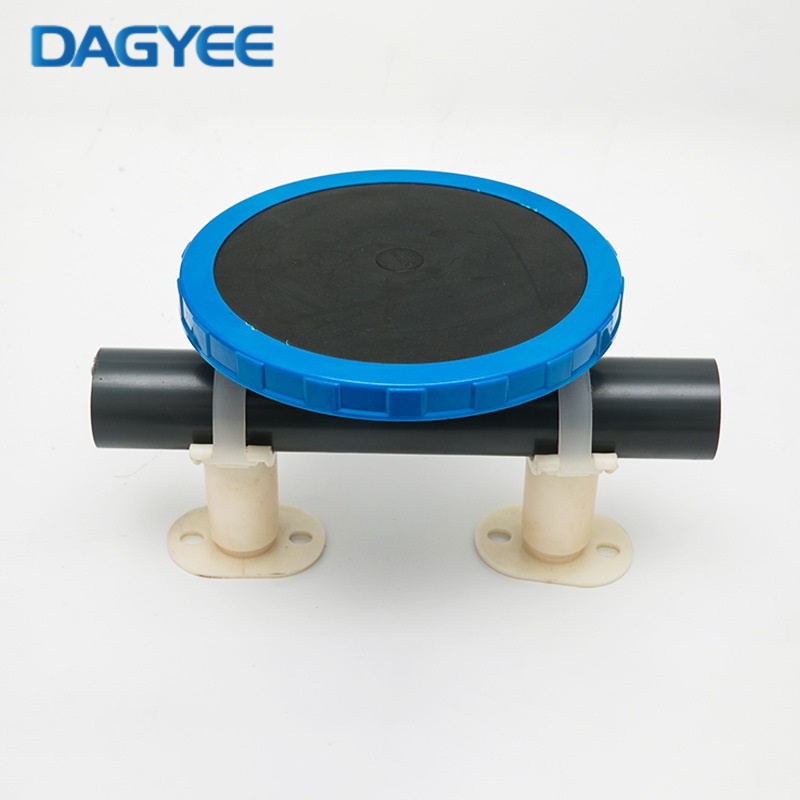
2.5 Poor Material Selection and Reactive Maintenance Habits
A large percentage of aeration disc failures stem from operational and selection errors rather than product defects. Most wastewater facilities rely on reactive maintenance practices, replacing discs only after major clogging or system failure occurs. This approach allows years of hidden energy waste and inefficient treatment before any action is taken.
One persistent industry mistake is using identical aeration disc models across all water types. Municipal domestic wastewater, oily industrial effluent, and high-hardness process water each require unique membrane materials and pore configurations. Generic selection leads to premature failure and repeated replacement costs. Additionally, careless installation practices, including uneven tank surfaces and over-tightened fixtures, create early-stage membrane damage that shortens service life significantly.
3. Data Comparison Tables for Practical Aeration Disc Selection
The following three tables compile real-world field data, manufacturer verified specifications, and industrial test results to help engineers and plant managers make data-driven aeration disc decisions. All figures reflect actual operating conditions, not ideal laboratory-only performance metrics.
Table 1: Premium Fine-Bubble Aeration Disc Technical Parameter Specs
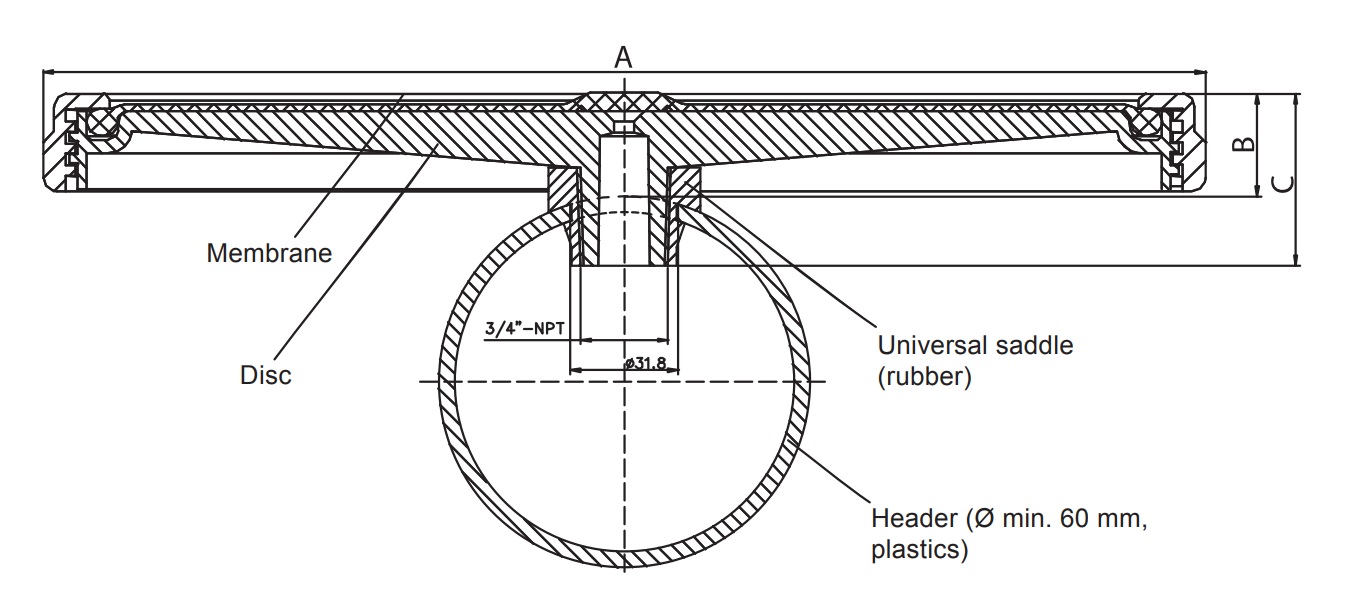
| Technical Parameter | Standard Industry Grade | Premium Optimized Grade | Unit |
|---|---|---|---|
| Available Disc Diameter | 215 / 260 / 300 | 215 / 260 / 300 (customizable sizing) | mm |
| Membrane Material | General EPDM | Modified EPDM / Food-Grade Silicone | - |
| Microprobe Diameter Range | 80–100 | 85–95 Precision Laser Drilled | μm |
| Single Disc Airflow Volume | 1.5–3.0 (215mm) / 2.0–5.0 (260mm) | 1.2–3.5 (215mm) / 1.8–5.5 (260mm) | m³/h |
| Effective Working Area | 0.25–0.55 | 0.30–0.65 | m² |
| Oxygen Utilization Rate (4–6m Depth) | 22–28 | 32–38 | % |
| Yearly OTE Attenuation Rate | 5–8 | 2–3 | %/year |
| Dynamic Oxygen Efficiency | 0.5–1.2 | 1.5–1.8 | kgO₂/kWh |
| Applicable Water Depth | 3–6 | 3–8 | m |
| Design Service Life | 5–6 | 7–10 | years |
| Max FOG Tolerance Level | 25 | 45 | mg/L |
Table 2: Common Aeration Disc Failures, Symptoms and Cost Impacts
| Failure Mode | Field Symptoms | Direct Operational Losses | Secondary System Risks |
|---|---|---|---|
| Inorganic Scaling Clogging | Gradual blower backpressure rise, inconsistent bubble distribution, localized weak aeration zones | 15–25% higher blower energy consumption, recurring chemical cleaning expenses | Blower overload risk, frequent equipment cycling, shortened blower lifespan |
| Type-II Biological Fouling | Membrane discoloration, slimy surface buildup, lost elasticity with no physical damage | 20–30% oxygen transfer efficiency drop, 50% shorter membrane service cycle | Uneven tank DO levels, partial microbial deactivation, reduced treatment capacity |
| Membrane Aging & Cracking | Coarse bubble formation, increased aeration noise, edge air leakage | Persistent efficiency decline, frequent manual inspection and maintenance work | Effluent ammonia spikes, seasonal compliance violations, unstable water quality |
| Structural Loosening & Deformation | Random air leakage, flat aeration dead zones, uneven bubble height across tank | Wasted compressed air volume, reduced effective aeration coverage | Bottom sludge accumulation, anaerobic odor release, tank structure corrosion |
| Improper Material Selection | Strong initial performance, rapid degradation within 6–12 months | Unplanned replacement costs, wasted system retrofit investment | Unstable biological system operation, increased daily management workload |
Table 3: Membrane Material Selection Guide for Different Wastewater Types
| Membrane Material | Best Application Scenarios | Core Field Advantages | Key Limitations |
|---|---|---|---|
| Standard EPDM | Low-strength municipal domestic wastewater, low hardness and zero oily contaminants | Cost-effective, stable elasticity, mature long-term municipal application | Poor oil resistance, prone to internal biofouling, fails rapidly in industrial wastewater |
| Modified EPDM | General industrial wastewater, medium hardness, seasonal fluctuating water quality | Enhanced fouling and oil resistance, balanced performance and cost, low efficiency decay | Not suitable for high-concentration FOG wastewater, limited extreme temperature tolerance |
| Food-Grade Silicone | Food processing, beverage, pharmaceutical and | Superior hydrocarbon resistance, anti-biofouling properties, chemically inert and non-toxic | Higher material cost, slightly lower mechanical tear |
| PTFE Composite | High-corrosion, high-salinity, high-temperature special industrial wastewater | Near-zero microbial adhesion, extreme chemical resistance, ultra-long service life | Premium pricing, requires strict professional installation standards |
4. Practical, Field-Validated Solutions to Fix Aeration Disc Issues
Solving aeration disc pain points does not require constant equipment replacement. The most effective optimization strategies target root causes, combining accurate material selection, structured maintenance, pre-treatment upgrades, and standardized installation to deliver long-term stable performance.
4.1 Water Quality-Based Precision Material Matching
The foundation of reliable aeration performance is correct material selection tailored to on-site water conditions. Standard municipal plants with low oil and stable hardness levels achieve the best cost-performance with modified EPDM discs, avoiding the rapid fouling issues of generic low-grade EPDM. Facilities handling food and beverage wastewater with regular grease contamination must use silicone membranes to prevent hydrocarbon absorption and permanent slit deformation. For harsh chemical and saline wastewater environments, PTFE composite membranes provide the only long-term stable aeration solution despite higher upfront costs.
4.2 Shift From Reactive Replacement to Predictive Maintenance
Most hidden aeration costs come from delayed maintenance. Establishing a simple quarterly monitoring routine eliminates unplanned failures. Plant teams should track two core metrics: aeration pipeline pressure differential and real-time oxygen transfer efficiency. A sustained pressure increase above 8–10kPa indicates severe micropore clogging requiring targeted chemical cleaning. If annual OTE attenuation exceeds 5%, membrane aging is underway, and staged replacement during low-load seasons prevents peak-season compliance problems.
4.3 Upgrade Pre-Treatment and Air Filtration Systems
Most aeration disc fouling originates from upstream water quality impurities. Optimizing pre-treatment processes to remove suspended solids, grease, and hardness minerals drastically reduces membrane clogging pressure. Upgrading blower intake filtration systems also blocks dust, moisture, and particulate matter from entering micropores with compressed air, slowing inorganic crystallization and extending membrane service life significantly.
4.4 Standardize Installation and System Matching
Poor installation creates early-stage aeration disc failure for new equipment. Leveling tank floors before installation ensures uniform disc stress distribution, while consistent retaining ring torque prevents membrane deformation. For system retrofits, verifying blower turndown ratio and pipeline pressure tolerance ensures high-efficiency fine-bubble discs operate within their optimal airflow range, maximizing energy savings and treatment stability.
5. Final Conclusion
Aeration disc degradation remains one of the most underrated cost drivers in wastewater treatment. Inorganic scaling, irreversible biological fouling, mechanical aging, systemic process instability, and unscientific operational habits combine to create years of hidden energy waste and compliance risk. These issues do not appear as sudden breakdowns; they slowly erode plant profitability and operational stability over time.
By adopting data-driven material selection, predictive maintenance routines, targeted pre-treatment upgrades, and standardized installation practices, WWTP operators can resolve core aeration disc pain points effectively. Well-optimized aeration disc systems reduce overall aeration energy consumption by 20–30%, extend equipment service life by 40–60%, and maintain consistent effluent quality year-round. In an era of rising energy costs and stricter environmental regulations, aeration disc optimization is a simple, high-return upgrade for every municipal and industrial wastewater facility.
Name: Ashely Li
Mobile:+8613961861780
Tel:+8613961861780
Whatsapp:8613961861780
Email:info@dagyee.com
Add:Room 302, Building 11-4, Hongyi Road, Xinan Town, Xinwu District, jiangsu Province, China