English
 Chinese
info@dagyee.com
+8613961861780

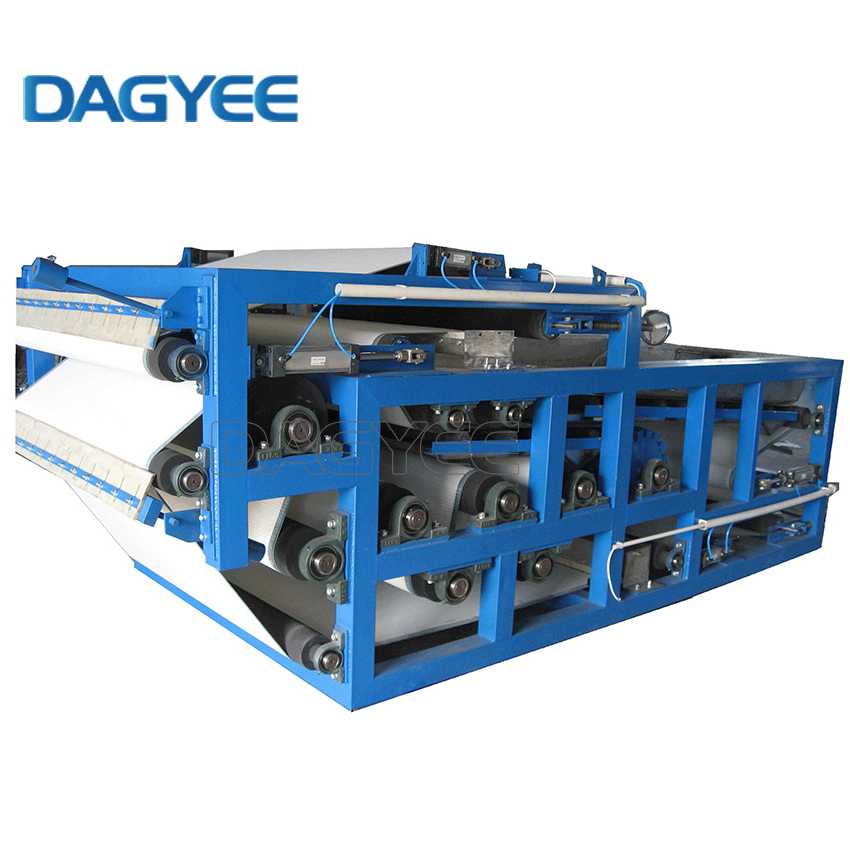
Belt filter presses remain the most widely adopted dewatering equipment for municipal wastewater treatment plants, chemical refineries, mining facilities, and food processing industries worldwide. Renowned for their continuous operation, low initial capital investment, and stable sludge dewatering performance, belt filter systems handle millions of tons of industrial and municipal sludge every year.
However, most plant operators face a universal pain point: long-term high operation and maintenance (O&M) costs caused by irregular maintenance, improper parameter matching, and excessive chemical consumption.
Field data from wastewater treatment industry research and third-party engineering surveys shows that unoptimized belt filter press operation leads to 35%–50% wasted operational expenses annually. The major cost drivers include over-dosed polymer flocculants, premature filter belt wear, frequent roller and bearing failure, unplanned downtime losses, and high sludge disposal fees. Many facilities still adopt reactive maintenance models, repairing equipment only after breakdowns, which further amplifies labor costs and production interruption risks.
This blog systematically analyzes the full-lifecycle O&M pain points of belt filter presses, combines reliability-centered maintenance (RCM) standards, polymer dosing optimization experiments, and real industrial case data, and summarizes actionable cost-reduction strategies. With standardized operation, refined maintenance, and parameter optimization, industrial plants can achieve over 30% annual O&M cost reduction, extended equipment service life, and stable dewatering efficiency. All strategies in this guide are verified by practical plant operation data and academic optimization tests, ensuring high feasibility for large-scale industrial application.
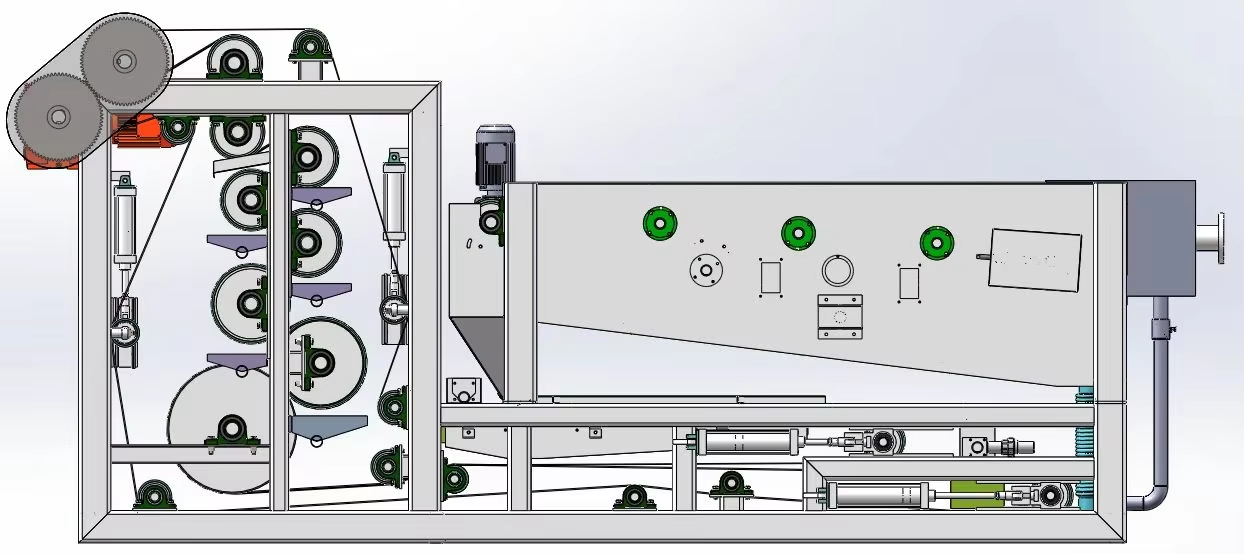
2. Core Technical Parameters of Standard Belt Filter Press
| Technical Parameter | BF-1000 Standard Model | BF-1500 Industrial Model | BF-2000 Heavy-Duty Model |
|---|---|---|---|
| Filter Belt Width | 1000mm | 1500mm | 2000mm |
| Effective Filter Area | 8.0 m² | 12.5 m² | 18.0 m² |
| Belt Operating Speed Range | 2.0–7.0 m/min | 1.8–6.5 m/min | 1.5–6.0 m/min |
| Washing Water Pressure | 0.6–0.8 MPa | 0.7–0.9 MPa | 0.8–1.0 MPa |
| Belt Tension Air Pressure | 0.4–0.6 MPa | 0.5–0.7 MPa | 0.6–0.8 MPa |
| Main Drive Motor Power | 3.0 kW | 4.0 kW | 5.5 kW |
| Supporting Washing Pump Power | 2.2 kW | 3.0 kW | 4.0 kW |
| Rated Sludge Treatment Capacity | 3–5 m³/h | 6–9 m³/h | 10–14 m³/h |
| Discharged Cake Solid Content | ≥22% | ≥23% | ≥25% |
| Overall Equipment Weight | 2.8 t | 4.2 t | 6.5 t |
| Main Frame Material | Carbon Steel + Anti-corrosive Coating | Carbon Steel + Epoxy Coating | 304 Stainless Steel Composite |
Sticking to the rated parameter range is the core of stable operation. Excessively high belt speed reduces dewatering time and lowers cake solid content, while insufficient washing pressure causes gradual filter belt clogging. Both issues will trigger a chain of increased operational costs and equipment wear.
3. Full Breakdown of Belt Filter Press Annual Operating Costs
| Cost Category | Proportion of Total O&M Cost | Main Waste Causes | Average Annual Waste Ratio |
|---|---|---|---|
| Polymer Flocculant Consumption | 40%–60% | Blind dosing, mismatched sludge-polymer ratio, unstable sludge inflow | 18%–22% |
| Consumables Replacement (Belt, Roller, Bearing) | 20%–30% | Irregular washing, belt tension imbalance, unlubricated rollers | 25%–30% |
| Energy Consumption (Motor & Pump) | 10%–15% | Long-term full-speed operation, no frequency conversion adjustment | 12%–15% |
| Labor & Emergency Maintenance | 8%–12% | Frequent unplanned downtime, reactive maintenance mode | 20%–25% |
The data clearly indicates that polymer flocculant waste and premature consumable aging are the two largest cost leakage points, accounting for nearly 80% of total invalid expenditure. Therefore, subsequent cost reduction work should focus on chemical dosing optimization and standardized preventive maintenance, rather than simple equipment replacement.
4. Preventive Maintenance System: Reduce Failure Rate & Extend Equipment Lifespan
Most industrial facilities still rely on corrective maintenance, which only repairs equipment after faults occur. This model leads to frequent shutdowns, shortened service life of core components, and soaring maintenance costs. Reliability-Centered Maintenance (RCM), verified by long-term industrial experiments, can effectively solve this problem. Relevant industry research data shows that after implementing a complete RCM maintenance system, the annual failure frequency of belt filter presses drops from 247 times to 127 times, a 48% reduction in failure rate, and the overall maintenance cost is reduced by 50%.
4.1 Daily & Weekly Standard Inspection Workflow
Daily maintenance focuses on eliminating minor hidden dangers to avoid cumulative faults. Operators need to check the filter belt operating status, including real-time tracking deviation and tension stability, before equipment startup every day. Abnormal belt deviation will cause unilateral wear and even belt tearing in severe cases. Meanwhile, confirm that the washing water pressure is maintained within the rated range to ensure timely cleaning of sludge residues on the filter belt and prevent mesh clogging.
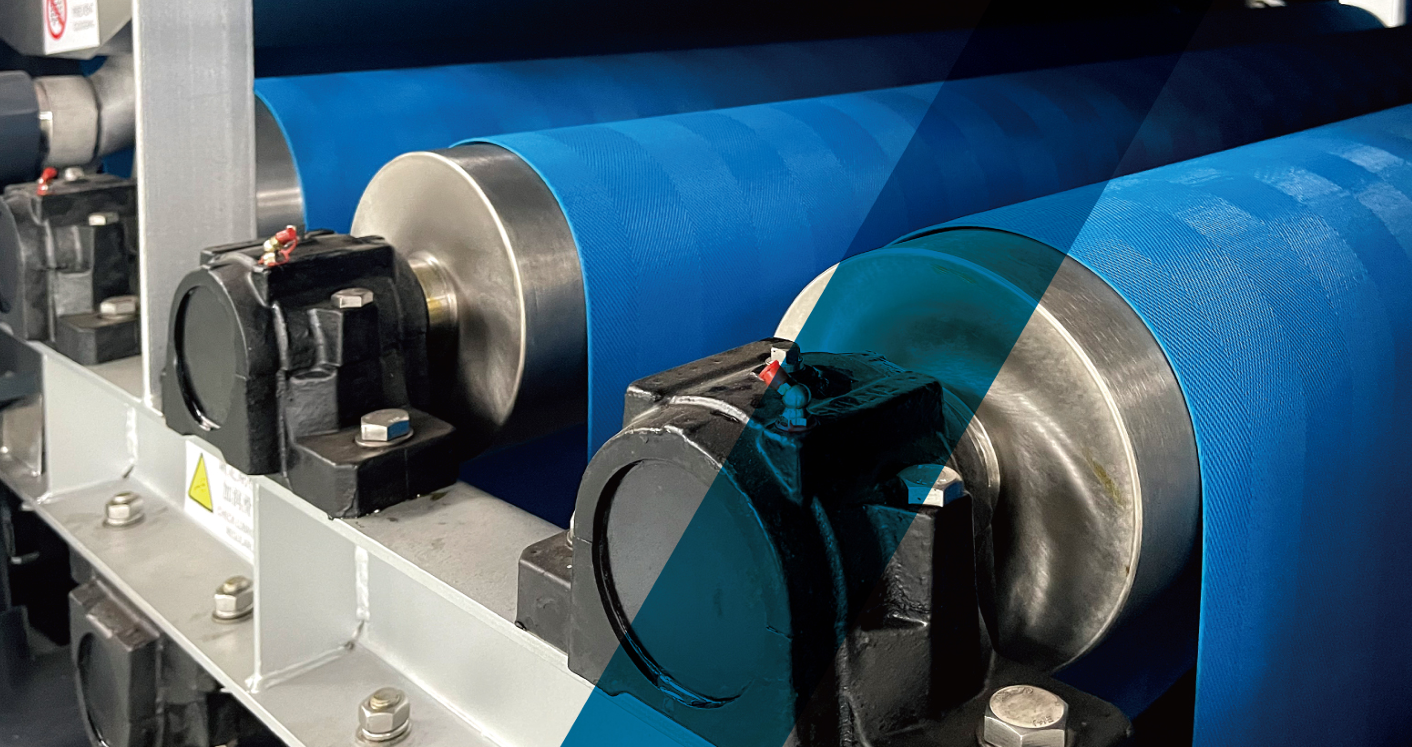
Weekly maintenance includes overall inspection of drive rollers, pressure rollers, and support rollers. Clean the sludge attachments on the roller surface, check the flexibility of the bearing operation, and discharge the accumulated water in the air pressure system. In addition, test the automatic deviation correction system to ensure it responds sensitively, which is the key to avoiding long-term belt deviation wear.
4.2 Quarterly & Annual Refined Maintenance
Quarterly maintenance focuses on component lubrication and parameter calibration. Lubricate all bearing groups and transmission chains to reduce operating friction and metal wear; calibrate the belt tension system and air pressure control system to ensure all operating parameters are within the standard range. Annual maintenance requires overall equipment disassembly and inspection, replacing severely worn wear strips and aging sealing parts, and performing anti-corrosion treatment on the frame.
4.3 Maintenance Optimization Effect Comparison
The following table intuitively compares the equipment operating status and cost changes before and after the implementation of standardized preventive maintenance, with data sourced from actual municipal wastewater plant operation cases.
| Inspection Item | Reactive Maintenance Mode | RCM Preventive Maintenance Mode | Optimization Effect |
|---|---|---|---|
| Annual Equipment Failure Times | 247 | 127 | -48% Failure Rate |
| Filter Belt Service Life | 6 Months | 14 Months | +133% Service Life |
| Annual Maintenance Labor Cost | $18,200 | $9,100 | -50% Labor Cost |
| Unplanned Downtime Duration | 128 Hours/Year | 42 Hours/Year | -67% Downtime Loss |
5. Polymer Dosing Optimization: The Largest Single Cost-Saving Breakthrough
Polymer flocculant consumption accounts for nearly half of the total operating cost of belt filter presses, making it the most potential cost-saving module. Most plants adopt fixed dosing values regardless of sludge concentration and water quality changes, resulting in serious chemical waste and reduced dewatering efficiency. Relevant experimental research shows that targeted polymer dosing optimization can reduce 22% of annual polymer consumption, while improving filter cake solid content and reducing sludge transportation and disposal costs.
5.1 Core Optimization Logic
The key to precise dosing is matching the polymer concentration and dosage with real-time sludge rheology and solid content. When the sludge inflow is large and the solid content is high, appropriately increase the polymer dosage; when the sludge is dilute, reduce the dosage in time to avoid excess polymer remaining in the filtrate. Excessive polymer will not only increase chemical costs but also cause filter belt mesh blockage, indirectly increasing cleaning frequency and belt wear.
In addition, the matching of belt speed and polymer reaction time cannot be ignored. Too fast belt speed leads to insufficient flocculation reaction, unstable sludge aggregation, and low dewatering efficiency; too slow belt speed reduces equipment processing capacity and increases unit energy consumption. Through orthogonal experiments, the optimal matching range of sludge flow, polymer concentration, and belt speed can be determined to achieve the best dewatering effect with the lowest chemical consumption.
5.2 Actual Industrial Cost-Saving Case
A large-scale industrial wastewater treatment plant implemented polymer dosing optimization transformation. By adjusting real-time dosage according to sludge water quality changes and optimizing the flocculation reaction tank stirring parameters, the plant reduced polymer consumption by 18% annually. At the same time, the filter cake solid content increased by 3%, the daily sludge processing capacity increased by 32 tons, and the annual comprehensive cost savings reached $450,000. This fully verifies that chemical optimization is the most efficient and low-investment cost-reduction measure for belt filter press operation.
6. Filter Belt Protection & Consumable Cost Reduction Strategy
Filter belts are the core vulnerable component of belt filter presses, and their replacement frequency directly determines the annual consumable cost. Improper operation and incomplete cleaning are the main causes of premature belt failure. Standardized belt maintenance can extend the belt service life from 6 months to 14 months, reducing consumable expenditure by 57%.
6.1 Scientific Washing Operation Specification
Maintaining stable washing water pressure is the primary condition for belt protection. The washing pressure must be controlled within the standard range of 0.6–1.0 MPa according to different equipment models. Too low pressure cannot clean the fine sludge particles in the belt mesh, resulting in gradual clogging and reduced water permeability; too high pressure will cause impact wear on the belt fiber and accelerate aging.
In addition, continuous washing during equipment operation and delayed washing for 5–10 minutes after shutdown are necessary to completely clean residual sludge. For seasonal low-temperature environments, prevent washing water pipeline freezing to avoid insufficient water pressure and incomplete cleaning, which can cause long-term belt damage.
6.2 Belt Tension & Deviation Correction Management
Unbalanced belt tension is the main cause of belt deviation and unilateral wear. Operators need to regularly calibrate the tension air pressure to ensure uniform stress on the left and right sides of the filter belt. Once slight deviation is found, adjust the deviation correction mechanism in time to avoid long-term offset operation. Long-term deviation will lead to uneven belt wear, edge cracking, and even sudden tearing, resulting in emergency shutdown losses and increased replacement costs.
7. Energy Saving & Auxiliary Equipment Maintenance Optimization
The energy consumption of belt filter presses mainly comes from the main drive motor and supporting washing pump. Most traditional equipment operates at full speed for a long time, resulting in invalid energy waste. Installing a variable frequency drive (VFD) system can adjust the motor operating speed in real time according to sludge processing volume, reducing ineffective energy consumption by 12%–15% annually.
Auxiliary equipment such as sludge feed pumps also affects the overall operating cost. Wear and frequent failure of traditional feed pumps will cause unstable sludge inflow, affect dewatering stability, and increase maintenance frequency. Replacing high-wear-resistant feed pumps can reduce auxiliary equipment failure rate by 70%, realizing long-term energy saving and labor cost reduction.
In addition, regular cleaning of the filtrate recovery tank and pipeline dredging can avoid pipeline blockage and water flow resistance increase, ensuring stable system operation and indirectly reducing unit energy consumption.
8. Comprehensive Industrial Transformation Case: Refinery Belt Filter Cost Reduction
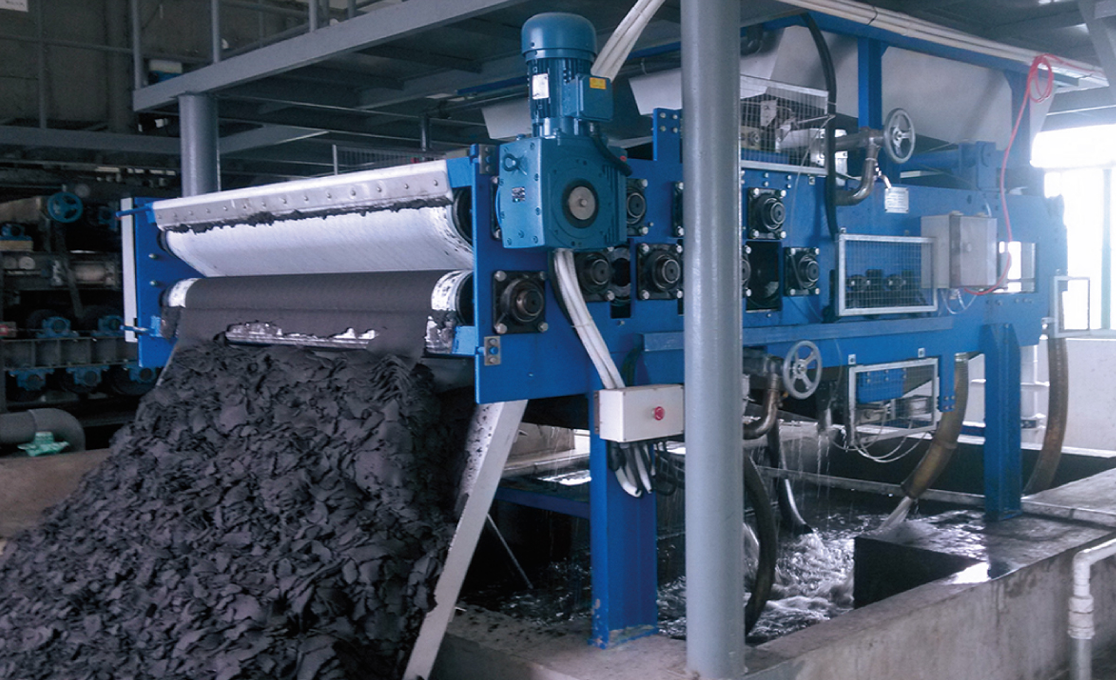
A large U.S. refinery had multiple aging belt filter presses with frequent failures, high maintenance costs, and unstable dewatering efficiency. The plant abandoned the high-cost full equipment replacement plan and adopted a localized refurbishment + standardized operation optimization scheme. By renovating core components such as rollers, bearings, and deviation correction hydraulic cylinders, matching RCM preventive maintenance and polymer dosing optimization, the plant saved $200,000 in one-time equipment renewal costs.
After the transformation, the annual maintenance cost of the equipment was reduced by 35%, the filter cake moisture content was reduced by 4%, and the sludge transportation and disposal costs were significantly reduced. The overall annual comprehensive operating cost of the belt filter system was cut by more than 38%, achieving significant long-term economic benefits. This case proves that operation optimization and refined maintenance are far more cost-effective than blind equipment replacement for most aging belt filter equipment.
9. Conclusion & Actionable O&M Optimization Checklist
The long-term high operating cost of belt filter presses is not caused by equipment performance defects, but mainly by unscientific operation modes and imperfect maintenance systems. Through the four core optimization measures of preventive maintenance system establishment, polymer precise dosing optimization, filter belt refined protection, and auxiliary equipment energy-saving transformation, industrial plants can steadily reduce 30%+ annual O&M costs, extend equipment service life, and improve dewatering efficiency and operational stability.
For plant managers and operators, the key to cost reduction is to change from passive maintenance to active refined management, standardize daily operation and maintenance processes, and adjust operating parameters according to real-time working conditions. The stable cost-saving effect verified by a large number of industrial cases can help enterprises reduce production costs, improve operational efficiency, and enhance market competitiveness in long-term production and operation.
Quick Implementation Checklist
✅ Establish daily belt tracking, pressure, and washing inspection records
✅ Optimize polymer dosing parameters according to real-time sludge solid content
✅ Implement quarterly bearing lubrication and annual overall equipment calibration
✅ Install variable frequency drive system for energy saving transformation
✅ Regularly check and correct filter belt tension deviation to avoid premature wear
Name: Ashely Li
Mobile:+8613961861780
Tel:+8613961861780
Whatsapp:8613961861780
Email:info@dagyee.com
Add:Room 302, Building 11-4, Hongyi Road, Xinan Town, Xinwu District, jiangsu Province, China