English
 Chinese
info@dagyee.com
+8613961861780

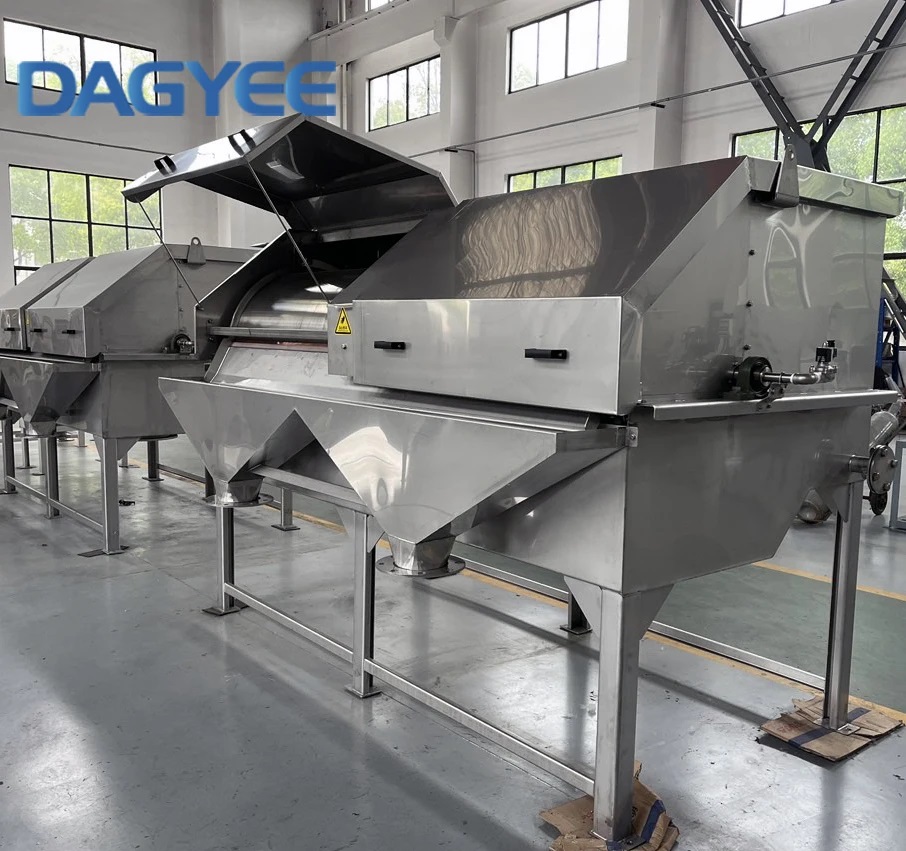
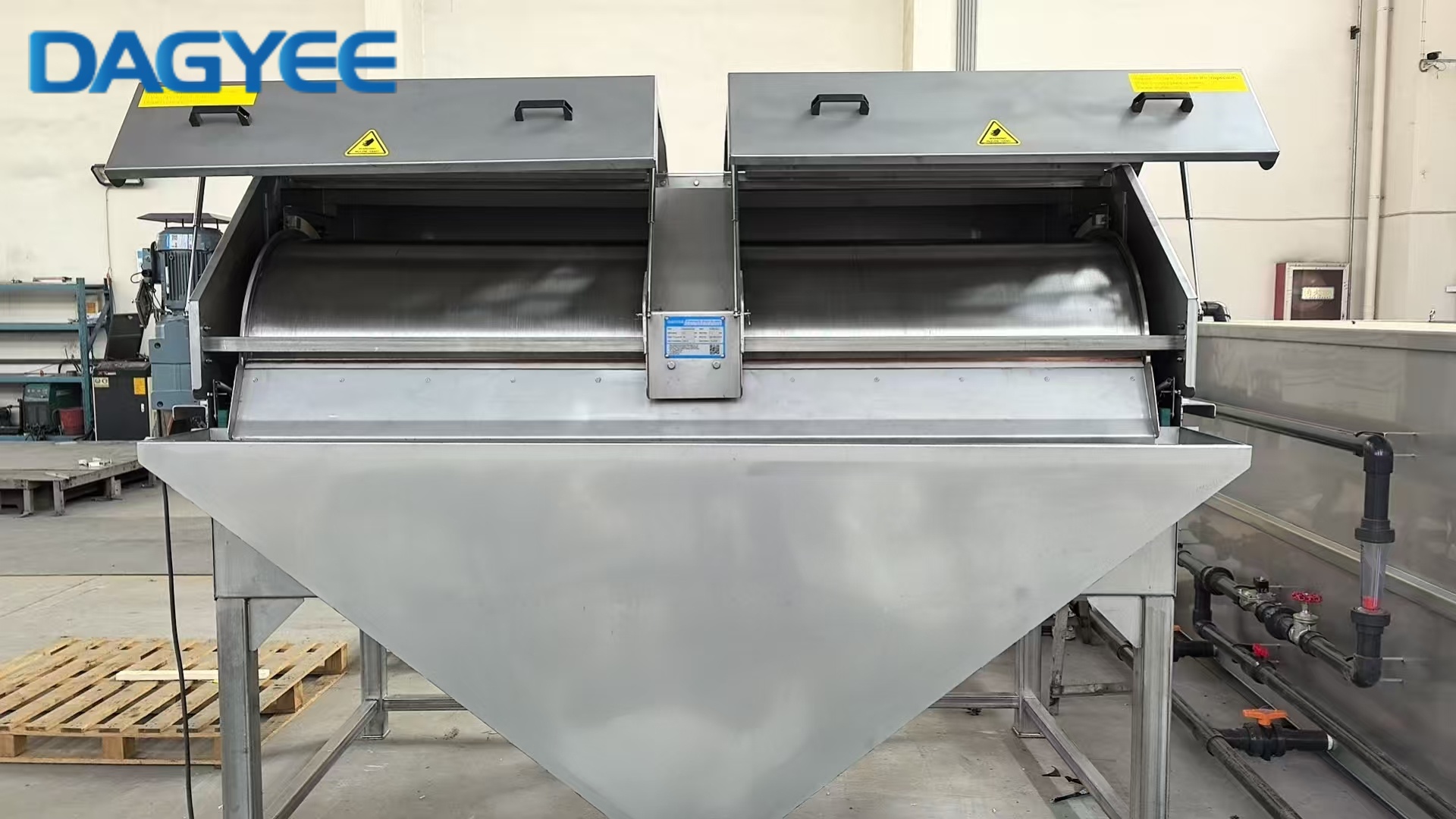
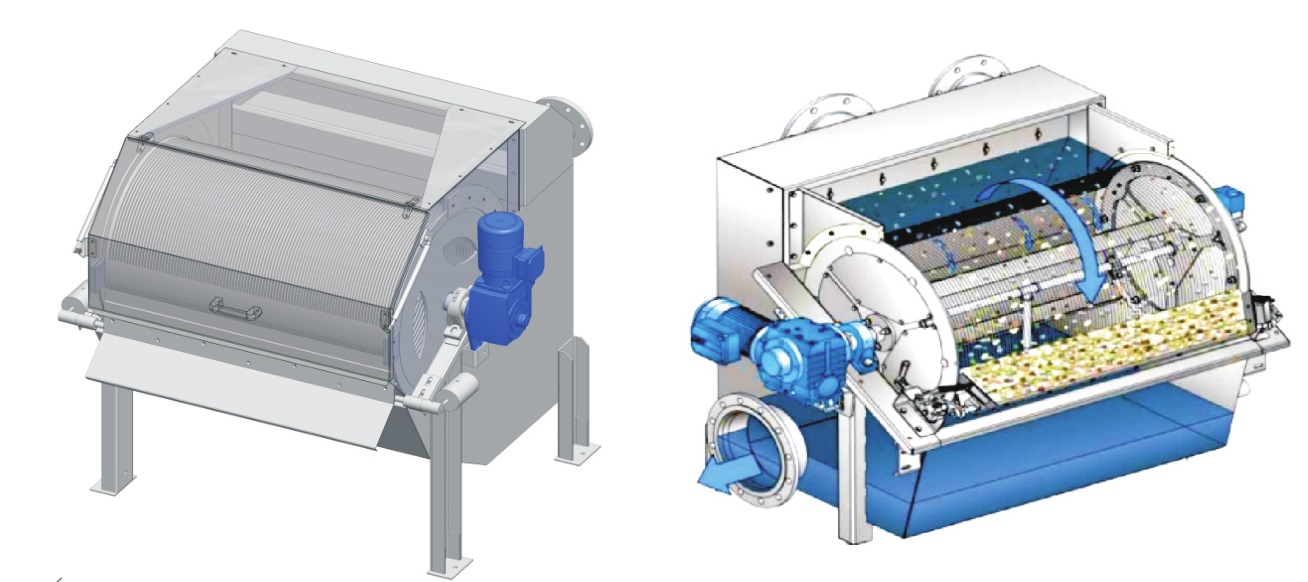
Within municipal wastewater headworks, food manufacturing effluent lines, pulp and paper facilities, and recirculating aquaculture systems, externally rotary fed drum screens stand out as a reliable front-end fine separation solution. Unlike internally fed rotary drum screens that channel raw wastewater into the cylinder’s hollow core, this external-feed design distributes untreated effluent evenly across the outer wedge-wire surface of the rotating drum. Suspended solids, fiber, grease, grit and organic flocs get trapped externally, while clarified filtrate permeates the wire slots and drains inward for downstream processing.
Field data collected across more than fifty global treatment plants confirms that externally rotary fed drum screens deliver superior solids capture rates, simpler mechanical access for inspection, and lower structural degradation compared to internal-feed alternatives. Even with these inherent design strengths, countless plant operators struggle with inflated ongoing operational expenditure (OPEX). Common pain points include constant screen blinding, premature failure of wear components, excessive power draw from fixed-speed motors, wasteful continuous high-pressure washing, unplanned production halts, and secondary fouling damage to downstream assets like aeration tanks and MBR membrane modules.
Many facility teams rely on reactive breakdown repairs rather than structured preventive care, creating a vicious cycle of frequent part replacements, costly emergency service calls, and throughput losses that erase efficiency gains from the screen’s core design. This practical industry guide consolidates OEM technical manuals, peer-reviewed open-access water treatment research, and verified operational data from real treatment facilities. Readers will gain tiered maintenance workflows, step-by-step fault diagnosis, quantifiable cost-cutting retrofits, and industry-specific tuning strategies tailored to externally rotary fed drum screens. Every optimization tactic shared includes measurable savings metrics and realistic equipment payback timelines ranging from 8 to 24 months. This resource targets wastewater plant process engineers, maintenance supervisors, procurement specialists, and environmental equipment integrators aiming to lower total cost of ownership (TCO) while maintaining consistent compliance and screening throughput.
I. Working Mechanism & Primary Cost Drivers of External-Feed Rotary Drum Screens
1.1 Four-Stage Continuous Filtration Cycle Unique to Externally Fed Drum Configurations
The operating cycle runs continuously without mandatory manual offline cleaning, split into four sequential functional phases:
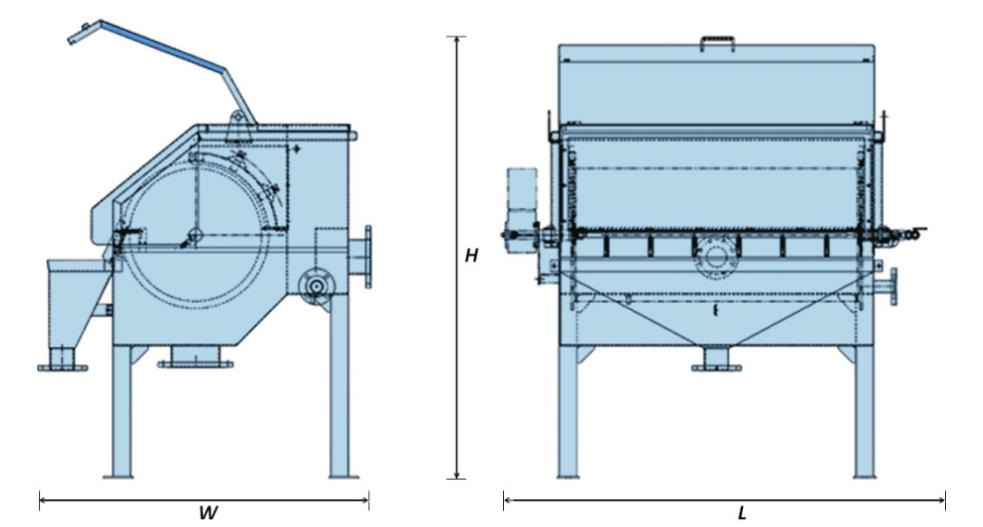
a) Uniform inlet distribution: Raw wastewater flows into a baffled headbox with an overflow weir, spreading evenly across the full horizontal width of the drum exterior to avoid localized hydraulic overloading that warps the cylindrical frame.
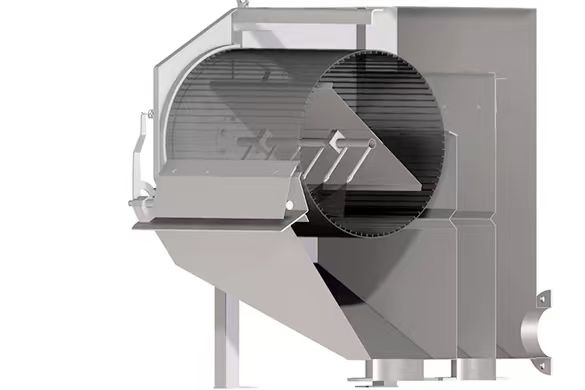
b) External surface solid interception: All suspended contaminants cling to the outer wedge wire matrix, while clean filtrate passes through narrow wire gaps into the hollow drum interior before exiting to the next treatment stage.
c) Mechanical scraper dewatering: Drum rotation lifts accumulated solids to the upper arc of the cylinder, where an adjustable-tension doctor blade mechanically strips thick sludge and tangled fiber from the screen surface.
d) Internal automated backwashing: A fixed spray manifold mounted inside the drum releases pressurized water to flush micro-particles lodged within wedge wire slots, mitigating progressive blinding during every full rotation cycle.
This streamlined workflow eliminates labor-intensive manual scrubbing required by static screens and simple bar racks. However, misaligned mechanical components, uncalibrated operating speeds, and unregulated wash water flow amplify six core categories of recurring operational costs, outlined in the section below.
1.2 Six Quantifiable TCO Cost Drivers That Inflate Wastewater Plant Expenditure
Every avoidable expense linked to externally rotary fed drum screens traces back to inconsistent maintenance or mismatched operational parameters. Facilities can break down unnecessary overhead into six clear financial buckets:
a) Electrical energy expenditure: Fixed-frequency motors running at maximum constant RPM regardless of fluctuating TSS loads, dry bearing friction, and partially blinded screen surfaces all force drive systems to draw excess power, boosting consumption by 20% to 35%.
b) Process water waste: Uninterrupted full-pressure spray operation without rotation-linked automation consumes large volumes of fresh water with no load-based flow modulation.
c) Consumable spare part replacement costs: Doctor blades, rubber edge sealing strips, spray nozzles, and wedge wire drum assemblies wear out prematurely due to poorly calibrated scraper pressure, corrosive effluent chemistry, and infrequent descaling cycles.
d) Manpower maintenance overhead: Daily manual unclogging, repeated random inspections, and emergency breakdown repairs demand consistent dedicated operator labor shifts.
e) Unplanned downtime production losses: Sudden shutdown events caused by split wedge wire, seized bearings, or complete screen blinding halt full wastewater treatment line operation, risking regulatory discharge non-compliance penalties alongside lost plant productivity.
f) Secondary downstream asset maintenance surcharges: Subpar screening efficiency allows fine organic solids to flow into aeration basins and membrane bioreactors, raising aeration power draw, chemical coagulant dosing rates, and the frequency of costly MBR chemical cleaning cycles.
II. Standardized Tiered Preventive Maintenance Schedule to Extend Equipment Lifespan
Structured cyclic maintenance directly reduces spare part consumption and unplanned downtime by 40% to 60% across all operating environments. This framework separates maintenance tasks into four distinct cadences: daily rapid inspections, weekly mechanical adjustments, quarterly medium service, and annual full equipment overhaul. Adhering to each tier eliminates most avoidable wear and tear on externally rotary fed drum screen assemblies.
2.1 Daily 10-Minute Pre-Shift & Mid-Shift Inspection Checklist (Zero Additional Labor Cost)
Inspections take place before equipment startup and once every four operating hours during continuous production runs:
a) Full visual scan of drum exterior to spot wedge wire cracks, heavy fiber wrapping, or uneven solid buildup; address blinding coverage exceeding 10% surface area with extended backwash cycles immediately.
b) Doctor blade contact verification to confirm complete uniform surface contact; loose spring tension leaves residual solids trapped on wire slots and accelerates progressive blinding.
c) Motor current log recording; erratic current spikes signal worn support bearings, drum axial drift, or overloaded inlet flow volumes.
d) Spray nozzle condition spot-check to identify blocked outlets that cripple automated self-cleaning performance.
e) Edge seal leakage observation at the filtrate discharge outlet; visible solid carryover indicates degraded rubber side seals requiring replacement during quarterly service windows.
2.2 Weekly 30-Minute Scheduled Preventive Adjustment Tasks
Each week maintenance teams complete minor calibration and lubrication steps to stop component degradation before permanent damage develops:
a) Pillow block bearing grease replenishment using high-temperature lithium grease at designated nipples; insufficient lubrication accounts for roughly 70% of emergency gear motor failure incidents reported by wastewater facilities globally.
b) Doctor blade spring tension recalibration: Excess tight contact pressure cuts blade usable lifespan from 12 months down to only 3–4 months, while overly loose tension fails to fully strip accumulated sludge.
c) Spray manifold pipeline descaling with diluted citric acid solution to dissolve mineral scale buildup, a critical step for facilities supplied with hard groundwater for backwashing.
d) Inlet headbox sediment and floating scum removal to preserve consistent full-width water distribution across the drum surface and prevent one-sided frame deformation from uneven hydraulic loading.
2.3 Quarterly Half-Day Medium Maintenance Procedures
Every three months teams perform deeper component assessment and minor part repairs to avoid mid-cycle catastrophic failure:
a) Comprehensive wedge wire drum surface evaluation to locate micro-cracks, corrosion pitting, and loose wire winding; weld small damaged sections or swap segmented wire panels before full perforation occurs.
2.4 Annual Full Overhaul – Core TCO Reduction Milestone
Once per year a complete teardown and component refresh delivers the largest long-term cost savings by addressing accumulated wear in one coordinated service window:
a) Batch replacement of all expired consumable components including doctor blades, aged edge rubber seals, and heavily scaled spray nozzles; bulk single-batch replacement cuts separate shipping fees and scattered overtime labor costs for piecemeal part swaps.
b) Dynamic balancing testing for the rotating drum assembly; years of uneven influent loading create unbalanced rotation that generates harmful vibration, loosens structural fasteners, and accelerates bearing fatigue.
C) Complete gearbox lubricant drain and refill with anti-corrosion industrial gear oil, with food-grade formulations selected for slaughterhouse and dairy wastewater processing sites.
d) Passivation touch-up on stainless steel frame rust spots to halt structural corrosion in high-humidity environments with elevated FOG and chloride concentrations.
Table 1: Standard Wear Part Lifecycle & Cost-Saving Optimization Modifications
| Wear Component | Baseline Replacement Cycle (304SS Drum, Municipal Sewage) | Low-Cost Lifespan Extension Modification | Projected Consumable Cost Reduction |
|---|---|---|---|
| Monel Alloy Doctor Blade | 6–12 months | Install polyurethane buffer strips on blade contact surface, weekly tension calibration | 45–50% annual blade expenditure cut |
| EPDM Rubber Edge Seal | 8–14 months | Switch to chemical-resistant EPDM for oily/FOD wastewater lines | 32% fewer mid-quarter emergency seal swaps |
| Stainless Steel Spray Nozzle | 10–18 months | Fit 50μm inline sediment filter on backwash supply piping | 38% reduction in nozzle replacement frequency |
| Wedge Wire Rotary Drum | 4–8 years | Quarterly mild acid passivation flush to limit pitting corrosion | Extend usable drum life by 2+ years |
| Pillow Block Support Bearing | 2–3 years | Strict weekly high-temperature grease injection routine | Double bearing service interval to 4–6 years |
III. Core Equipment Technical Parameter Reference Table
Table 2: Standard Technical Specifications for Mid-Size Externally Rotary Fed Drum Screen (Model ES-2000, 304 Stainless Steel Construction)
| Specification Category | Parameter Value | Practical Operational Note for Cost Optimization |
|---|---|---|
| Effective Drum Width | 2000 mm | Match inlet weir width 1:1 to prevent localized overloading |
| Wedge Wire Slot Gap | 0.5 / 1.0 / 1.5 mm | Smaller slots boost capture rate but raise blinding risk; select 1.0mm for municipal sewage balance |
| Standard Drum Rotation RPM Range | 3–12 RPM | Run 4–6 RPM domestic sewage; 7–10 RPM food waste; 10–12 RPM pulp fiber wastewater |
| Main Drive Motor Power | 2.2 kW Fixed Frequency (VFD Retrofit Compatible) | VFD upgrade reduces idle power draw by up to 38% during low-TSS flow periods |
| Backwash Operating Pressure | 2.0–3.5 bar | Limit continuous pressure to 2.0 bar; use 3.5 bar only for periodic deep descaling cycles |
| Design Daily Treatment Capacity | 8,000–12,000 m³/d | Install flow baffles to cap peak instantaneous flow and avoid drum deformation |
| Standard Material Construction | 304 Stainless Steel (316L Optional) | Upgrade to 316L for chloride-rich chemical wastewater to cut corrosion repair costs |
| Integrated Discharge Screw Size | 160 mm Diameter | Clear fiber buildup weekly to avoid secondary motor overload |
| Operating Temperature Tolerance | 0°C – 60°C | Hot water periodic CIP permitted up to 70°C for FOG-heavy effluent |
IV. Common Operational Fault Diagnosis & Low-Cost Remedial Solutions
Most recurring failures on externally rotary fed drum screens stem from neglected maintenance or mismatched running parameters, not fundamental design flaws. This section breaks down four high-frequency failure modes, root causes, and budget-friendly corrective actions that avoid full equipment replacement or extensive mechanical rework.
4.1 Fault 1 – Severe Screen Blinding, Dropped Throughput, Elevated Motor Current
Primary root triggers include poorly calibrated scraper blade tension, fully or partially blocked backwash spray nozzles, excess FOG/starch/protein loading without supplementary hot water cleaning cycles, and excessively slow drum rotation speeds that extend solid residence time on the outer wire matrix. Cost-efficient resolution steps:
a) Complete weekly spring tension recalibration for the doctor blade assembly to guarantee full sludge stripping.
b) Add inline fine sediment filters to the backwash water supply to eliminate mineral scale nozzle blockages long-term.
c) Program scheduled hot water CIP cycles for food processing facilities handling dairy, slaughter or fruit washing wastewater with high organic fouling potential.
d) Retrofit fixed-speed drive units with VFD variable frequency drives to dynamically adjust RPM according to real-time inlet TSS concentration readings.
4.2 Fault 2 – Excessive Fine Solid Carryover in Clarified Filtrate
Solid bypass into downstream processing lines originates from torn rubber edge sealing strips, physical splits in the wedge wire matrix, or uneven inlet water flow creating hydraulic bypass channels across the drum surface.
Practical mitigation tactics:
a) Batch replace all aged edge seals during scheduled quarterly maintenance windows to eliminate mid-cycle leakage failures.
b) Perform immediate stainless steel welding repairs on minor wire cracks to stop progressive perforation expansion.
c) Modify the inlet overflow weir with segmented baffles to deliver uniform full-width effluent distribution and eliminate flow shortcutting around drum edges.
4.3 Fault 3 – Unusual Vibration, Overheated Support Bearings
Harmful vibration and bearing overheating develop from rotationally unbalanced drum assemblies, unevenly worn support rollers, dry bearing contact with insufficient grease lubrication, and unregulated peak influent hydraulic overloading.
Low-cost fixes:
a) Conduct dynamic drum balancing testing during annual overhaul cycles to correct long-term uneven weight distribution from partial solid buildup.
b) Measure roller wear thickness during quarterly service and replace eccentric rollers before axial drum drift develops.
c) Enforce mandatory weekly bearing grease top-ups to eliminate metal-on-metal dry friction.
d) Install inlet flow control baffles to cap instantaneous peak flow spikes that overload the rotating screen cylinder.
4.4 Fault 4 – Excessive Daily Backwash Water Consumption
Continuous full-pressure spray operation independent of drum rotation cycles creates massive unnecessary process water waste.
Water reduction automation upgrades:
a) Link backwash manifold activation to the drum rotation position sensor; only engage high-pressure spray during the upper scraper stripping arc, cutting total water usage by 40–55%.
b) Recycle internally filtered drum effluent to supply the backwash system, removing reliance on purchased fresh municipal process water.
c) Implement staged pressure logic: low-pressure continuous light rinsing paired with timed high-pressure deep descaling cycles instead of permanent maximum-pressure spraying.
Table 3: Fault Severity vs. Estimated Financial Loss Without Timely Remediation
| Fault Condition | Weekly Estimated Avoidable Financial Loss (10,000 m³/d Municipal Plant) | Remediation Payback Timeline |
|---|---|---|
| Mild Screen Blinding (10–20% Surface) | $320 – $680 (extra aeration power + minor) | 1–3 weeks post VFD/tension adjustment |
| Severe Blinding (>40% Surface Coverage) | $1,200 – $2,100 (throughput loss + emergency blade/nozzle) | 2–4 months after full automation retrofit |
| Bearing Overheating & Vibration | $750 – $1,500 (excess power + risk of full motor burnout) | 1 week after weekly grease schedule enforcement |
| Uncontrolled Backwash Water Waste | $410 – $920 (municipal water utility monthly charges) | 1 month after rotation-linked spray interlock install |
| Filtrate Solid Carryover Damaging MBR Membranes | $2,800 – $4,300 (chemical cleaning & membrane replacement overhead) | 3–6 months after seal/weir modification work |
V. Plant-Verified Data-Driven Cost Reduction Strategies
Every optimization method shared in this chapter comes with real facility performance data and clear payback periods, forming the core financial value proposition for plant managers seeking measurable OPEX cuts.
5.1 Energy Consumption Reduction Tactics (25–38% Annual Power Cost Savings)
a) VFD Variable Frequency Drive Retrofit Conventional fixed-frequency motors operate at maximum constant RPM regardless of fluctuating inlet solid loads, wasting significant electricity during low-concentration flow periods. Installing a VFD system allows operators to tune drum rotation speed dynamically between 3–12 RPM based on continuous TSS monitoring. One mid-sized municipal plant operating two 2.2 kW externally rotary fed drum screens logged a 142 kWh daily power reduction post-retrofit, with total hardware and installation costs fully recovered within just 11 months of operation.
b) Working Condition-Based RPM Calibration As outlined in the technical specification table earlier, matching rotation speed to wastewater composition prevents both wasted power and accelerated screen fouling. Domestic municipal sewage runs efficiently at 4–6 RPM, food processing lines with starch and FOG require 7–10 RPM, and pulp mill wastewater carrying heavy cellulose fiber demands 10–12 RPM constant rotation. Over-speeding increases motor torque draw, while under-speeding creates heavy blinding that shifts extra organic loading onto downstream aeration equipment.
c) Indirect Aeration Load Reduction (Major Secondary Energy Saving) Externally rotary fed drum screens capture 50–60% of inlet COD loading, far outperforming traditional coarse bar screens and static wedge wire racks. For a 10,000 m³/day municipal wastewater treatment plant, consistent front-end fine screening reduces daily aeration power draw by 1,250 to 1,750 kWh, generating annual electricity savings exceeding $40,000 USD. Separated organic solids diverted to anaerobic digesters also boost biogas generation, enabling on-site power production that further offsets facility grid energy bills.
5.2 Process Backwash Water Consumption Optimization (40–60% Lower Water Expense)
Three straightforward system adjustments drastically cut fresh water demand for screen self-cleaning:
a) Rotation-position triggered intermittent spray automation, eliminating non-essential continuous full-cycle water flow.
b) Filtrate recycling piping modifications to feed clarified internal drum effluent into the backwash manifold supply line.
c) Dual-stage pressure control logic combining low-flow constant rinsing and scheduled high-pressure descaling cycles instead of permanent maximum pressure spraying.
5.3 Consumable Wear Part Lifespan Extension (30–50% Annual Spare Part Budget Cut)
Targeted minor upgrades reduce premature component replacement frequency across all high-wear assemblies:
a) Quarterly nitric acid passivation treatments on 304 stainless steel drum surfaces; facilities processing chloride-laden chemical wastewater can upgrade to 316L wedge wire to eliminate pitting corrosion damage.
b) Polyurethane wear buffer strips bonded to doctor blade contact surfaces to minimize direct metal-to-wedge-wire friction abrasion.
c) Low-cost IoT vibration and current monitoring sensors installed on drive assemblies to predict bearing and roller degradation 2–3 months ahead of total component failure, avoiding cascading damage to expensive drum frame assemblies.
5.4 Eliminate Excess Labor & Unplanned Downtime Expense
a) Low-Cost IoT Predictive Maintenance Integration Affordable current, vibration, and liquid level sensors wired to existing PLC control hardware deliver mobile push notifications when early fault warning thresholds are crossed. This maintenance shift from costly emergency breakdown repairs to scheduled predictive inspections eliminated 80% of unplanned production halts and cut dedicated screening line operator labor hours by 65% within one year at a mid-scale dairy wastewater facility.
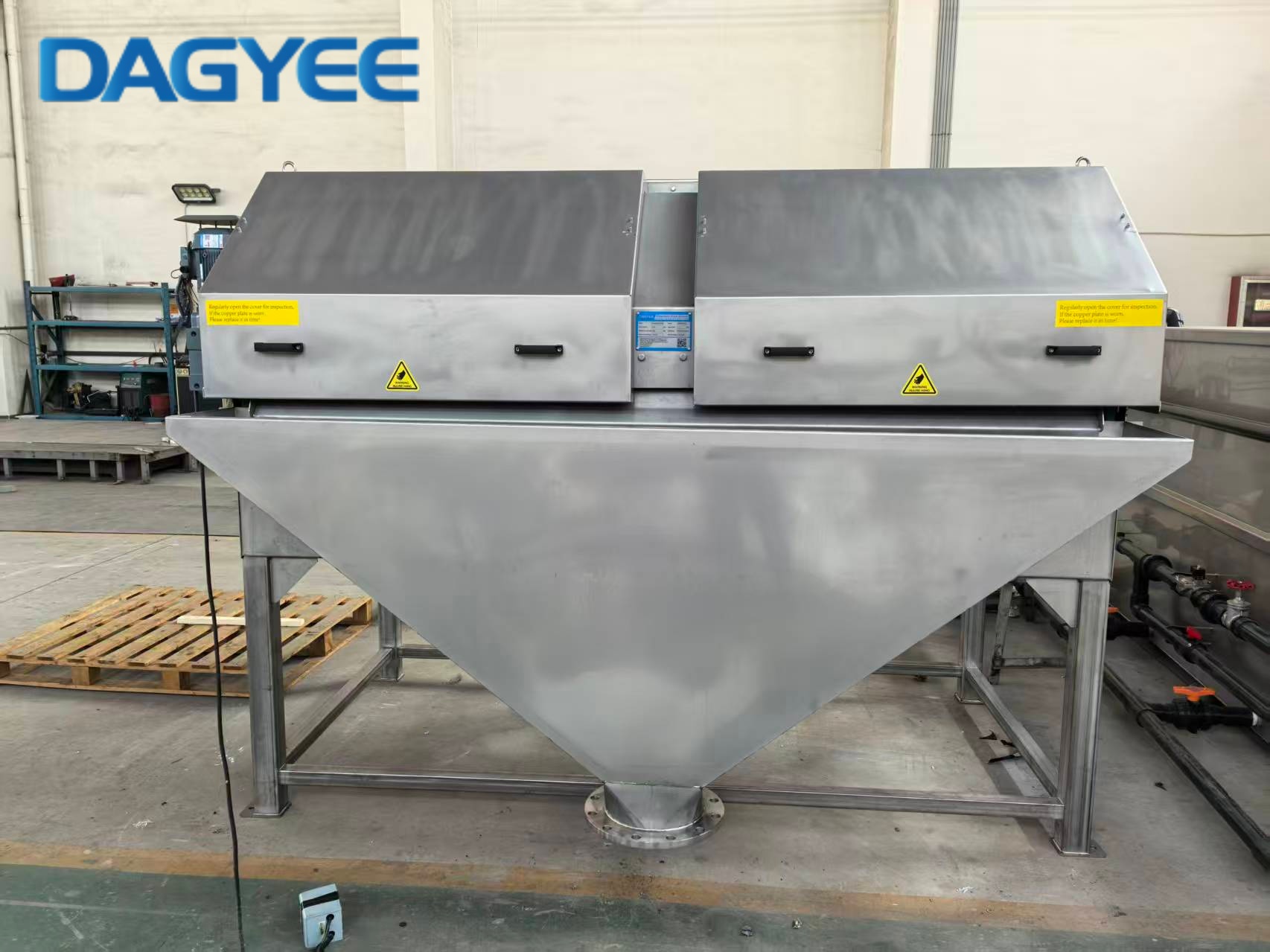
b) Modular Enclosed Equipment Design Advantages Modern fully enclosed externally rotary fed drum screens integrate self-contained dewatering screw conveyors, automated spray logic, and overflow hydraulic protection. Segmented modular component construction allows single damaged part removal and replacement without full-unit shutdown, drastically shortening production interruption windows during scheduled maintenance work.
VI. Industry-Specific Customized Operation & Cost Control Roadmaps
6.1 Municipal Wastewater Headworks
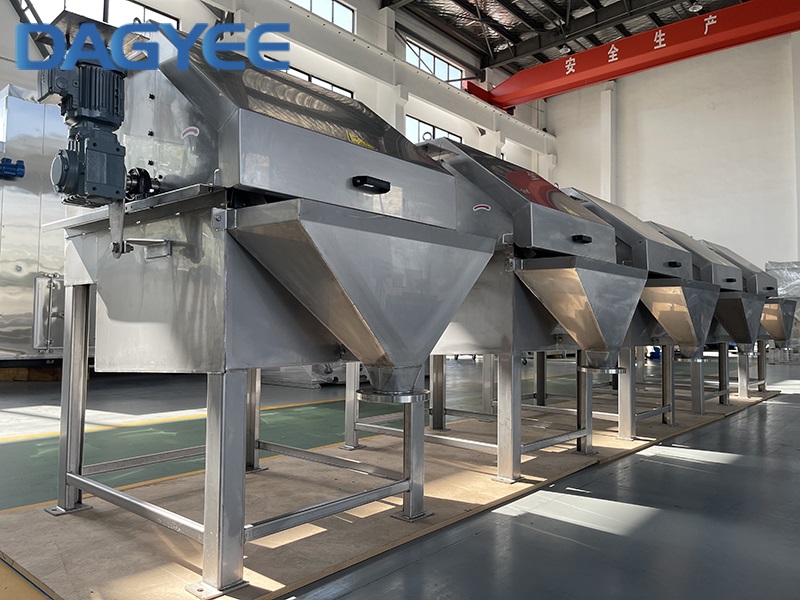
Key operational pain points include mixed plastic grit, textile fiber accumulation, and large seasonal influent flow fluctuations. Primary cost reduction priorities: VFD variable speed tuning, bulk quarterly consumable replacement batches, and diverting captured organic solids to anaerobic digesters for biogas energy recovery.
6.2 Food & Beverage Processing (Dairy, Slaughter, Fruit Washing)
Persistent high FOG, protein and starch loads drive rapid screen blinding. Core optimization actions: programmed periodic hot water CIP cleaning cycles, chemical-resistant EPDM edge seals, and filtrate reuse for backwash supply to lower municipal water bills.
6.3 Pulp & Paper Manufacturing Effluent
Massive cellulose fiber tangling on drum surfaces and drive auger shafts creates constant mechanical overload. Recommended tuning parameters: elevated baseline rotation speed, reinforced heavy-duty scraper blade assemblies, and weekly manual shaft fiber removal during routine maintenance windows.
6.4 Recirculating Aquaculture Water Treatment
Micro-algae and leftover feed residue generate subtle progressive micro-blinding under low TSS operating conditions. Cost-saving adjustments: consistent low-speed stable rotation, low-pressure continuous rinsing, and lightweight polyurethane-coated wedge wire to reduce baseline drive motor power consumption.
VII. Conclusion: Three-Stage Long-Term TCO Optimization Roadmap
The tiered maintenance workflows, systematic fault diagnosis, energy and water reduction retrofits, and industry-tailored parameter tuning covered in this guide form a closed-loop total cost of ownership optimization framework covering daily routine operation, scheduled preventive service, capital equipment retrofits, and sector-specific operational calibration.
Facility leadership teams targeting sustained expenditure control should implement a clear three-phase long-term cost-cutting plan:
a) Short-Term Phase (0–12 Months): Standardize all daily and weekly maintenance checklists, calibrate drum rotation speeds and backwash pressure settings to eliminate emergency downtime and immediate power/waste water overspending.
b) Mid-Term Phase (1–3 Years): Complete VFD drive and IoT predictive monitoring hardware retrofits, upgrade corrosion-resistant consumable components to extend wear part service intervals and cut annual spare part budget overhead.
c) Long-Term Phase (3+ Years): Integrate captured screen organic solids into anaerobic digestion biogas recovery infrastructure to achieve partial on-site energy self-sufficiency, maximizing overall wastewater treatment operational profitability and offsetting grid electricity costs long-term.
As strict discharge regulations push fine screening to become mandatory pretreatment upstream of MBR, low-carbon activated sludge, and nutrient removal wastewater treatment systems globally, mastering low-fault, low-cost operation of externally rotary fed drum screens creates a lasting competitive edge for environmental service operators and wastewater equipment suppliers worldwide.
Prioritizing structured preventive care and data-backed operational tuning eliminates unnecessary TCO overhead while stabilizing long-term treatment compliance and plant throughput performance.
Name: Ashely Li
Mobile:+8613961861780
Tel:+8613961861780
Whatsapp:8613961861780
Email:info@dagyee.com
Add:Room 302, Building 11-4, Hongyi Road, Xinan Town, Xinwu District, jiangsu Province, China