English
 Chinese
info@dagyee.com
+8613961861780

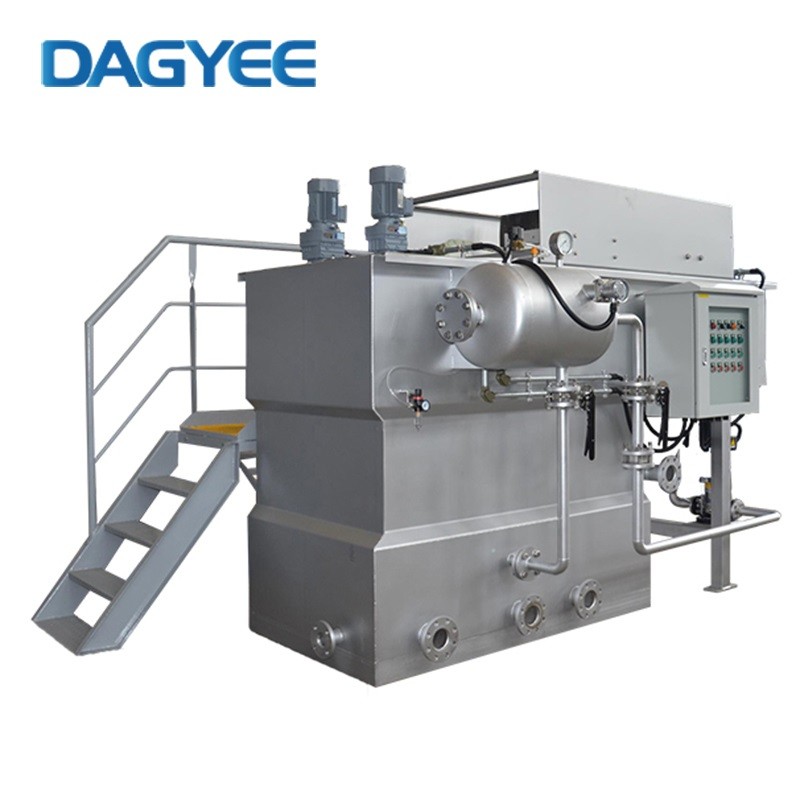
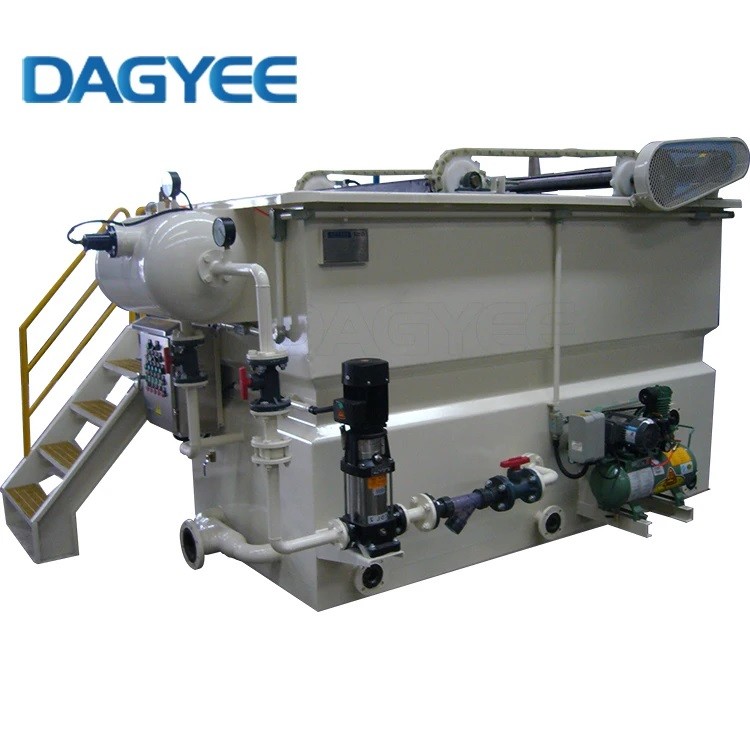
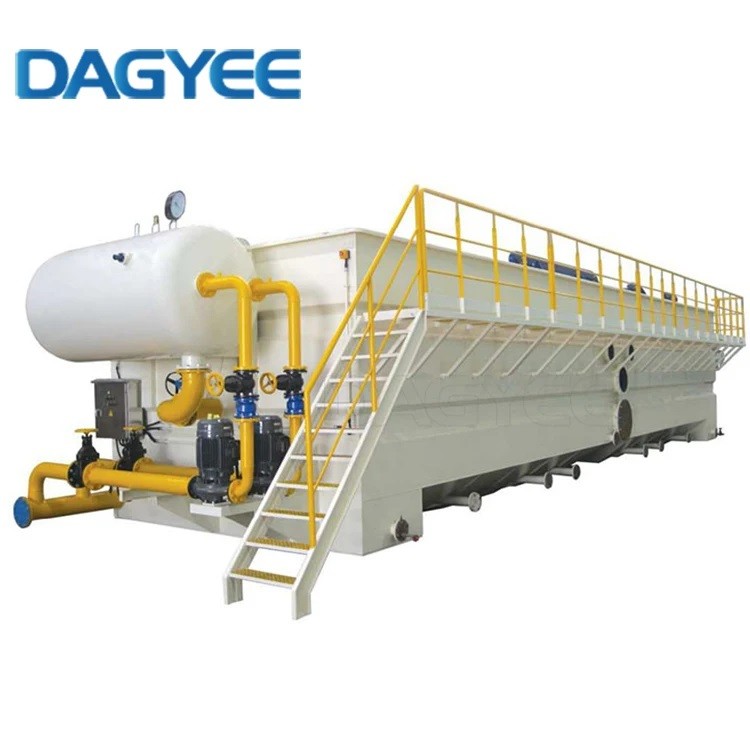
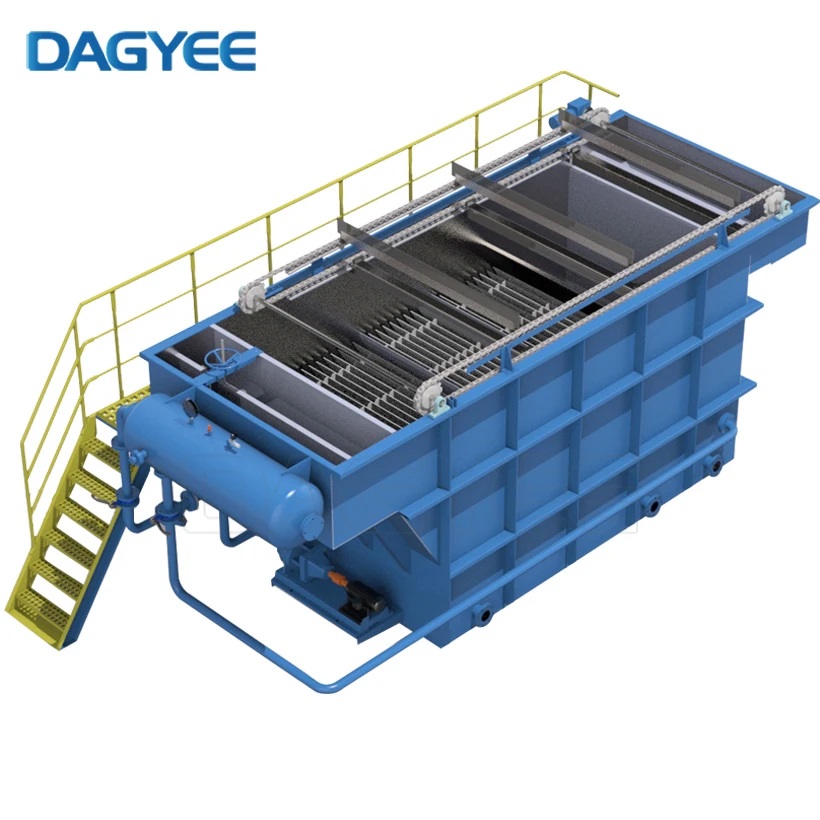
Dissolved air flotation description
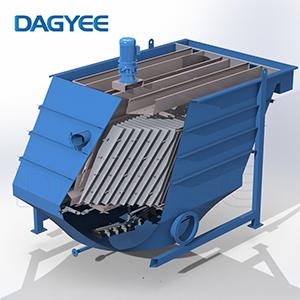
Dissolved-air flotation processes are designed to enhance the efficiency of solid-liquid separation in wastewater treatment. The core principle revolves around saturating the influent stream with air under high pressure, allowing a significant amount of air to dissolve in the water. Once this water is released into the flotation chamber, the pressure drops, causing the dissolved air to form microbubbles. These microbubbles exhibit a unique ability to attach to suspended particles, leading to effective removal of contaminants.
DAF systems are widely recognized for their ability to mitigate issues related to sedimentation and gravity thickening methods. Unlike traditional methods, which often rely heavily on the weight of solids to facilitate separation, dissolved-air flotation relies on the buoyancy provided by air bubbles. This shift in mechanism results in enhanced removal efficiencies, especially in low-density or finely suspended particles. Consequently, DAF has emerged as a preferred choice across various industries, particularly where space is limited or where rapid treatment times are necessary.
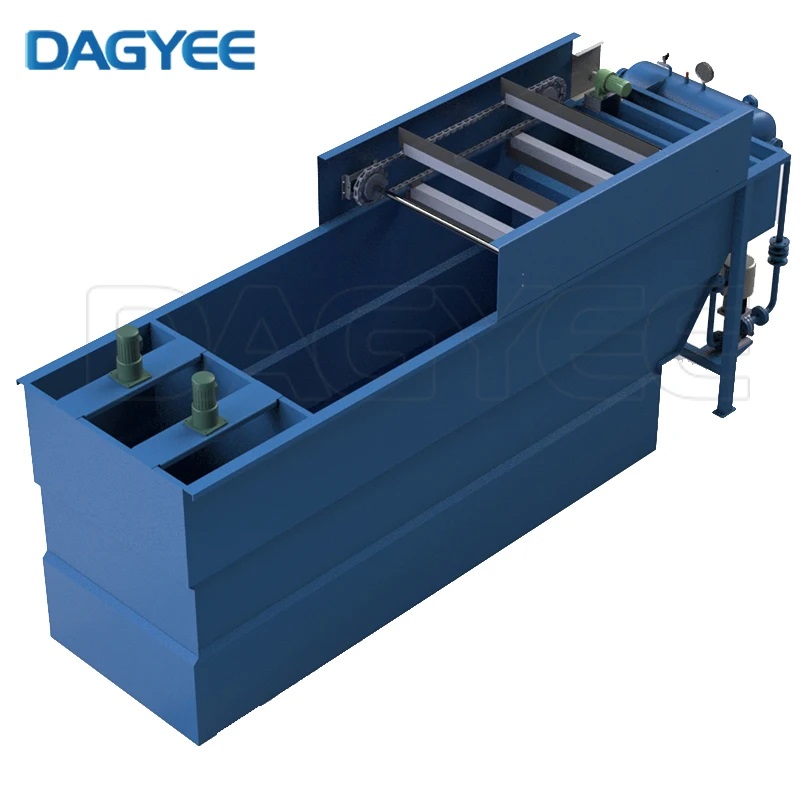
Dissolved air flotation principle
Aeration
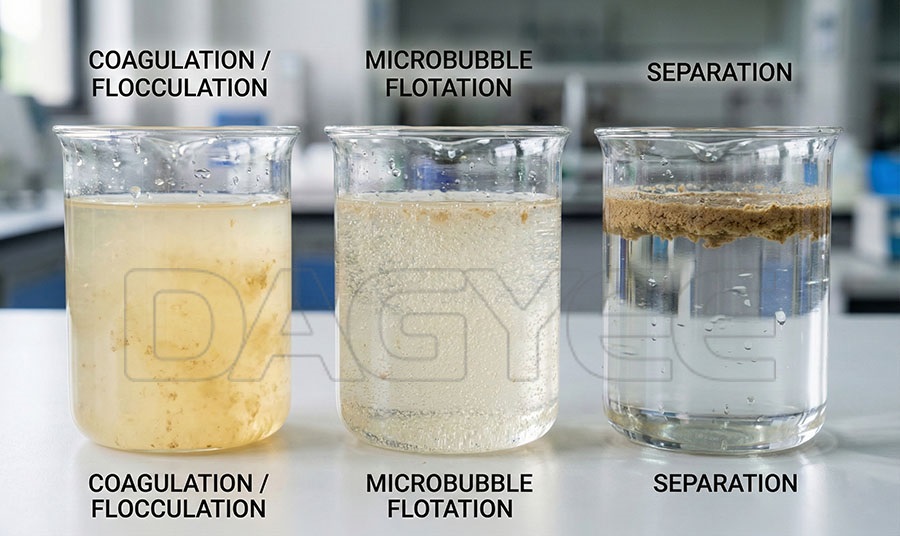
The DAF process begins with aeration, where air is dissolved into the wastewater under high pressure—typically between 3 to 5 bar. This pressurized air forms the foundation for the subsequent steps in the treatment process.
Mixing
Once the air is dissolved, the wastewater may be mixed with chemicals if needed. These chemicals aid in flocculation (the process of clumping particles together) and enhance sedimentation, making the separation of contaminants more effective.
Flotation
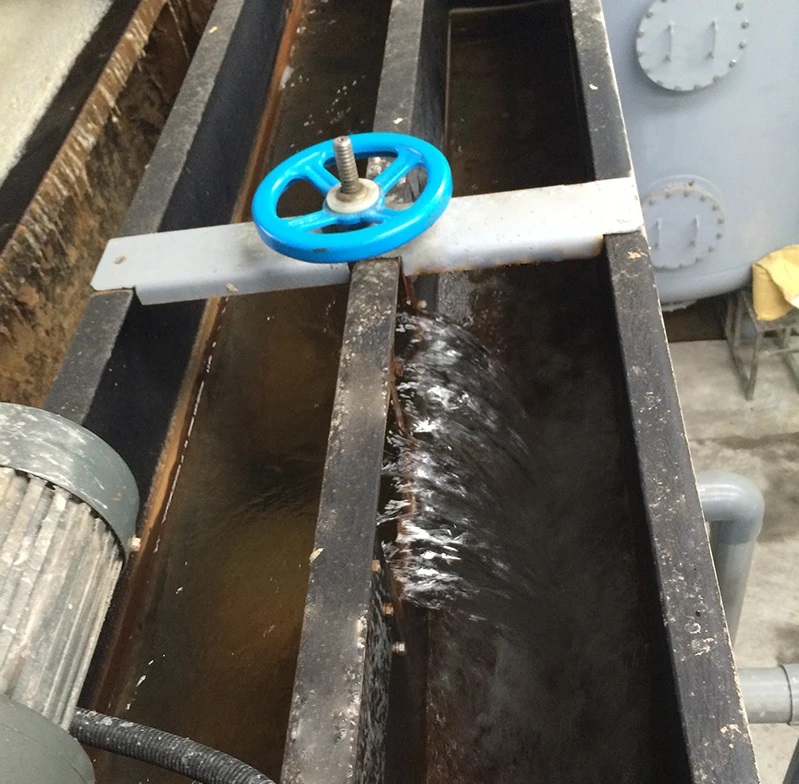
The air-rich wastewater then flows into a flotation tank where the pressure is suddenly reduced. This drop in pressure causes the dissolved air to form tiny bubbles within the wastewater.
Attachment
These microscopic bubbles attach to suspended solids, oils, and greases. The buoyant force of the bubbles causes these contaminants to rise to the surface of the tank.
Separation
At the surface, the accumulated contaminants are skimmed off by a skimmer. This effectively removes the impurities from the wastewater. The clarified water, which is now cleaner, is discharged from the bottom of the tank.
Clarification
The final step involves further clarification and, if necessary, disinfection of the treated water to ensure it meets regulatory standards for discharge or reuse.
The DAF water treatment system separates oils, solids, and other contaminants by dissolving air in the wastewater under pressure. Then, the air at atmospheric pressure in a flotation tank. DAF wastewater treatment is effective in releasing even low-density particles. These systems are widely used for water purification in various industrial applications.
Dissolved air flotation technical sheet
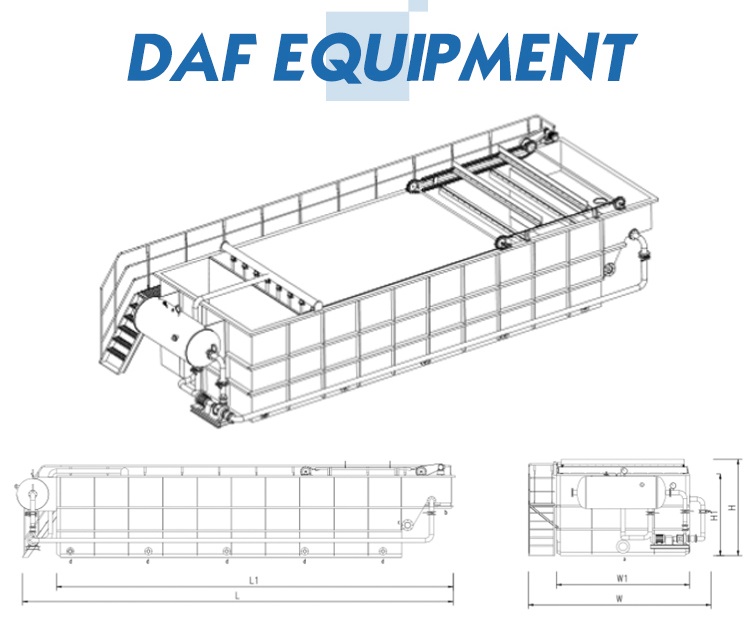
| DAF Model | Qm3/h | Piping Connections | Physical Dimensions(m) | Weight (Kg) | Operating Weight (Kg) |
|---|---|---|---|---|---|
| DAF-003 | 3 |
Inlet: DN50 Outlet: DN50 Sludge: DN100 Vent: DN100 |
L/L1: 3.7/2.8 W/W1: 2.4/1.16 H/H1: 2.2/1.7 |
1500 | 5000 |
| DAF-005 | 5 |
Inlet: DN80 Outlet: DN80 Sludge: DN100 Vent: DN80 |
L/L1: 4/3 W/W1: 2.4/1.16 H/H1: 2.2/1.7 |
1600 | 7000 |
| DAF-010 | 10 |
Inlet: DN100 Outlet: DN100 Sludge: DN100 Vent: DN100 |
L/L1: 4.65/3.8 W/W1: 2.7/1.36 H/H1: 2.4/1.9 |
2000 | 12000 |
| DAF-015 | 15 |
Inlet: DN125 Outlet: DN100 Sludge: DN150 Vent: DN100 |
L/L1: 5.6/4.5 W/W1: 2.9/1.66 H/H1: 2.5/2 |
2200 | 18000 |
| DAF-020 | 20 |
Inlet: DN150 Outlet: DN150 Sludge: DN150 Vent: DN100 |
L/L1: 5.9/4.8 W/W1: 3.2/1.96 H/H1: 2.5/2 |
3000 | 22000 |
| DAF-030 | 30 |
Inlet: DN150 Outlet: DN150 Sludge: DN150 Vent: DN100 |
L/L1: 6.8/5.5 W/W1: 3.2/2.16 H/H1: 2.7/2.2 |
3800 | 32000 |
| DAF-040 | 40 |
Inlet: DN200 Outlet: DN150 Sludge: DN150 Vent: DN100 |
L/L1: 8/6.7 W/W1: 3.6/2.6 H/H1: 2.7/2.2 |
5000 | 45000 |
| DAF-050 | 50 |
Inlet: DN200 Outlet: DN150 Sludge: DN150 Vent: DN100 |
L/L1: 8.4/7 W/W1: 3.6/2.6 H/H1: 2.7/2.2 |
5500 | 55000 |
| DAF-060 | 60 |
Inlet: DN250 Outlet: DN200 Sludge: DN150 Vent: DN100 |
L/L1: 9.9/8.4 W/W1: 3.8/2.8 H/H1: 2.9/2.4 |
6000 | 66000 |
| DAF-070 | 70 |
Inlet: DN250 Outlet: DN200 Sludge: DN150 Vent: DN100 |
L/L1: 10.4/9 W/W1: 3.8/2.8 H/H1: 2.9/2.4 |
6500 | 75000 |
| DAF-080 | 80 |
Inlet: DN250 Outlet: DN250 Sludge: DN150 Vent: DN100 |
L/L1: 10.8/9.4 W/W1: 4/3 H/H1: 2.9/2.4 |
7500 | 100000 |
| DAF-100 | 100 |
Inlet: DN300 Outlet: DN250 Sludge: DN150 Vent: DN100 |
L/L1: 12.1/10.6 W/W1: 4.2/3.2 H/H1: 2.9/2.4 |
9000 | 110000 |
| DAF-120 | 120 |
Inlet: DN300 Outlet: DN250 Sludge: DN150 Vent: DN100 |
L/L1: 12.5/11.4 W/W1: 4.4/3.4 H/H1: 2.9/2.4 |
10000 | 130000 |
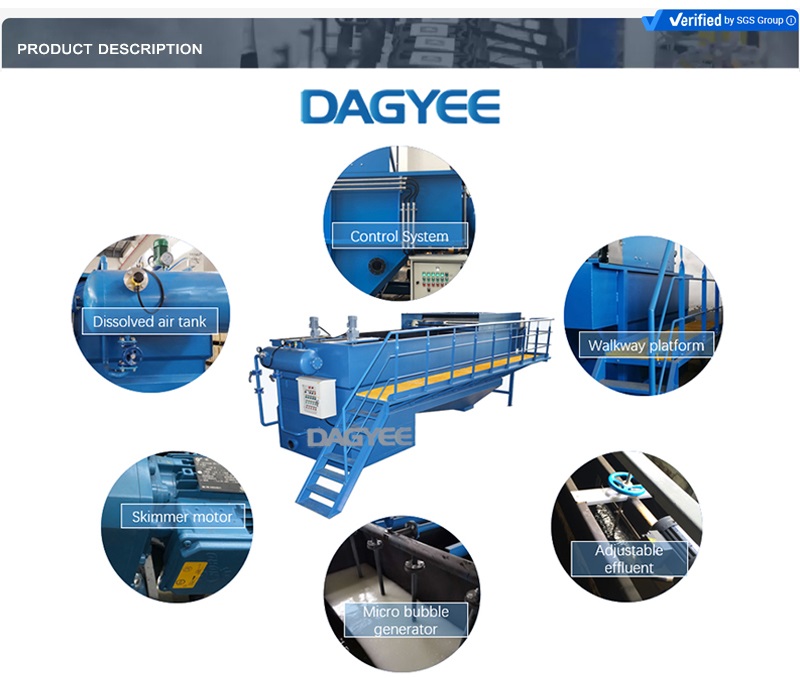
Dissolved air flotation process flow
Dissolved air flotation advantage
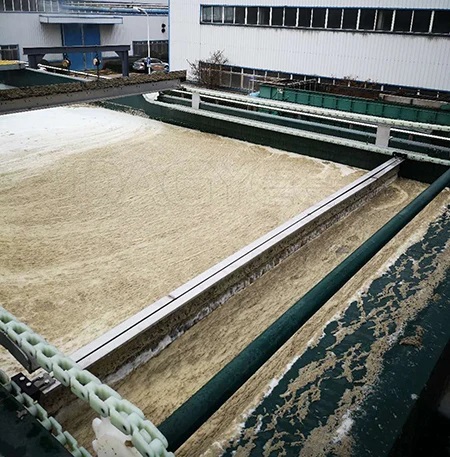
There are several distinct advantages of using dissolved-air flotation processes compared to traditional wastewater treatment methods, such as sedimentation. One significant benefit is the ability to effectively treat low-density sludges, which often challenge gravity-based systems. DAF processes can successfully remove suspended solids, oils, and greases more efficiently by leveraging the air flotation technology.
Moreover, DAF systems often require less space than traditional sedimentation tanks due to their compact design and rapid treatment capability. This space-saving feature is particularly beneficial for industries operating in constrained environments or for those looking to modify existing waste treatment setups without extensive infrastructure changes. Additionally, the quick response of DAF systems allows for better control over fluctuating wastewater characteristics, making them ideal for environments with variable loads.
Dissolved air flotation feature
The environmental impact of DAF systems is generally positive, particularly in minimizing water pollution.
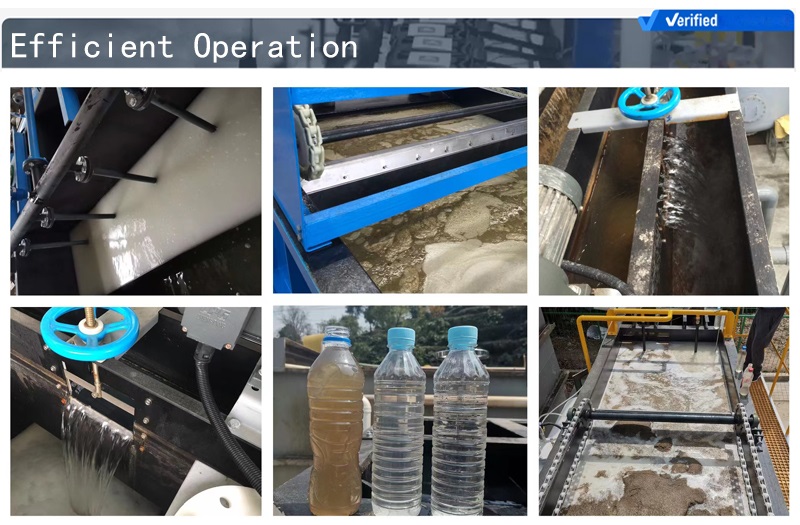
By enabling the removal of over 90% of harmful components from industrial effluents, DAF systems contribute to cleaner water bodies and reduced environmental pollution.
Moreover, reduced chemical usage and advancements in energy-efficient designs further enhance the sustainability of DAF technology.
Dissolved Air Flotation systems have solidified their place as an indispensable tool in modern water treatment processes.
Their ability to efficiently remove suspended solids from diverse wastewater streams makes them particularly valuable across industries with stringent water quality requirements.
As technological innovations continue to evolve, DAF systems are poised to become even more cost-effective and environmentally sustainable, bolstering their role in the global effort to safeguard water resources.
Dissolved air flotation application
1. Paper mills
Historically, paper mills represent one of the first applications of dissolved air flotation systems. Dissolved air flotation units are used in paper mills for two different applications. The main use is as a process machine: this system allows to recover most of the paper fibers that constitute the raw material and that would otherwise be lost with the cloth washing water.
Secondly, dissolved air flotation units are used for the purification treatment of wastewater, in particular for the removal of suspended solids and the COD linked to them. In both cases, the system is ideal for optimizing the solids recovery yield thanks to the effectiveness of its air dissolving system.
2. Confectionery industries
One of the main applications of the dissolved air flotation system is the pre-treatment of waste water in the confectionery industry. The different production lines are subjected to frequent washing both for hygiene reasons and when products with different characteristics are produced. The process water of the confectionery industry is characterized by high levels of suspended solids, COD and fats.
Dissolved air flotation systems, used as a pre-treatment upstream of a biological treatment, or before discharge into the sewer system, allow these parameters to be substantially reduced. This allows the size to be reduced and the operation of a possible biological plant downstream to be optimized.
Alternatively, a lower polluting load allows companies to discharge their waste water into the sewer system within the values set by the most stringent regulations. The simplicity of management is such that it does not require specialized personnel to operate the system.
3. Cured meat factories
The water coming out of the sausage factories contains high levels of fats and suspended solids, deriving from the meat processing and stuffing process. The presence of these substances can create problems for the biological wastewater treatment plant. Fats inhibit the development of bacterial flora, and the high polluting loads require large-sized treatment plants with long residence times of the wastewater in the biological treatment tanks.
Flotation units intervene on both fronts. Used as a pre-treatment, it allows the removal of fats and suspended solids with extremely high efficiency, thanks to the innovative air dissolving system.
4. Primary and secondary clarification for biological plants
The dissolved air flotation system is widely used as a clarification phase in biological plants of all potentials. Thanks to its high efficiency in removing suspended solids, this solution is useful for the primary clarification of wastewater because it allows the use of extremely small spaces. The efficiency of solids removal is such as to drastically reduce the size of subsequent treatment phases.
For the same reasons, it is also used for secondary clarification, with an additional advantage. The sludge extracted from the flotation unit has a density approximately double that of the sludge extracted from a traditional sedimentation system. This allows for a reduction in the costs of sludge disposal or of creating any sludge treatment line. Furthermore, a denser sludge is recirculated, with obvious savings on the quantity of recirculation and consequently on the size of the oxidation tank.
5. Dairy industries
This is an application very similar to that of salami factories. In these companies, washing occurs very frequently and the waste water is rich in fats and highly biodegradable solid substances. The polluting load is very high and the treatment of this water requires the construction of large plants even when the flow rates involved are relatively low. The flotation unit, in this context, is widely used as a pre-treatment.
Its small size allows it to be installed even on existing plants or in any case where there are space problems. The dissolved air quickly brings solids and fats to the surface, without problems of bad odors and with extremely high removal efficiency. This allows the polluting load to be reduced and therefore the size of the entire plant. Flotation systems are often used even on existing plants that need to be upgraded.
6. Oil & gas industries
Oil depots and refineries are large-scale facilities. Rainwater and runoff water that falls on yards and buildings must necessarily be treated before being discharged. In addition to this, there is also the displacement and washing water in general. A peculiar characteristic of these waters is the presence of considerable quantities of oil. Dissolved air flotation units are effective solutions for their removal.
Flotation certainly has the advantages of removal efficiency, small dimensions, and the possibility of inserting the machine into the context of an existing plant. If the company already has its own biological purification plant, the system allows for an increase in efficiency by removing upstream all substances that could inhibit the correct functioning of the biological process.
7. Textile industries
The waters coming out of these companies are rich in fibers that escape from the various washing processes to which the raw wool is subjected. The raw material is rich in solids, fats and organic substances, which are removed with the washing waters. In the waters there are also abundant quantities of surfactants deriving from the detergents used for washing.
Dissolved air flotation systems have proven to be effective systems for the treatment of these waters, upstream of any biological and/or chemical-physical processes. They allow the removal of approximately 80% of the fats and solids contained in the waters, and also carry out a partial reduction of the surfactants linked to the latter. The micro air bubbles that are generated in the saturator and that are released in the flotation tank are so fine that they do not cause the formation of foam despite the high levels of surfactants.
Name: Ashely Li
Mobile:+8613961861780
Tel:+8613961861780
Whatsapp:8613961861780
Email:info@dagyee.com
Add:Room 302, Building 11-4, Hongyi Road, Xinan Town, Xinwu District, jiangsu Province, China