English
 Chinese
info@dagyee.com
+8613961861780

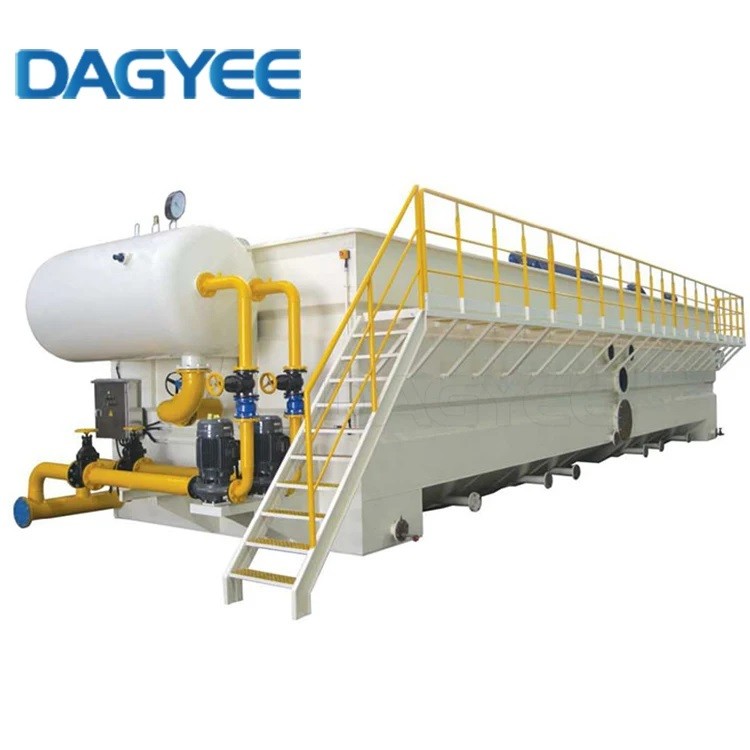
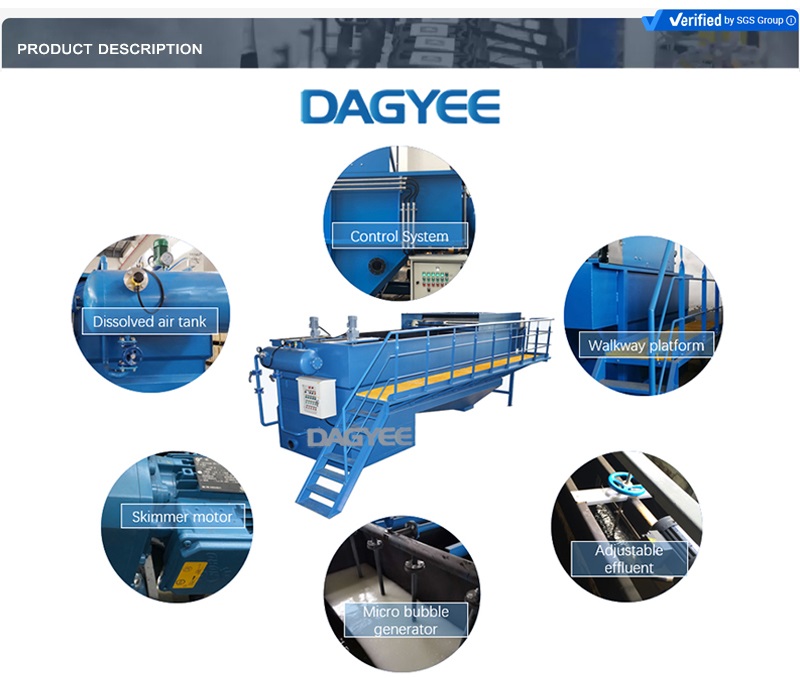
Dissolved air flotation description
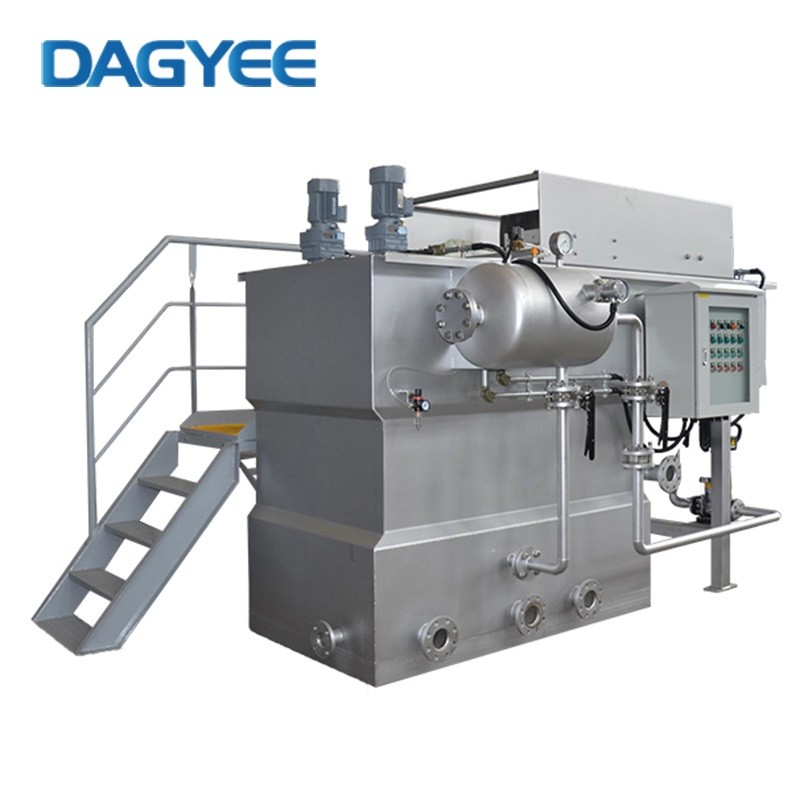
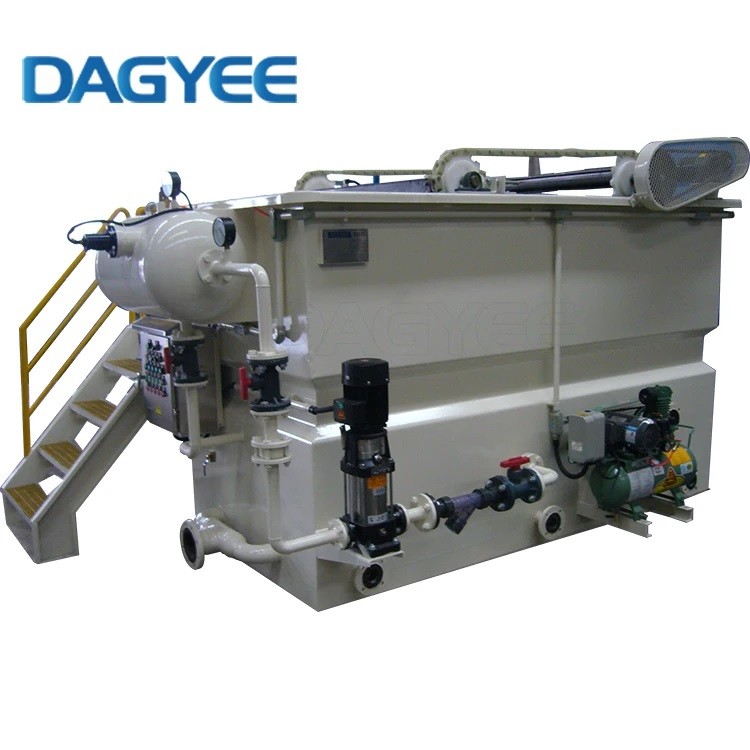
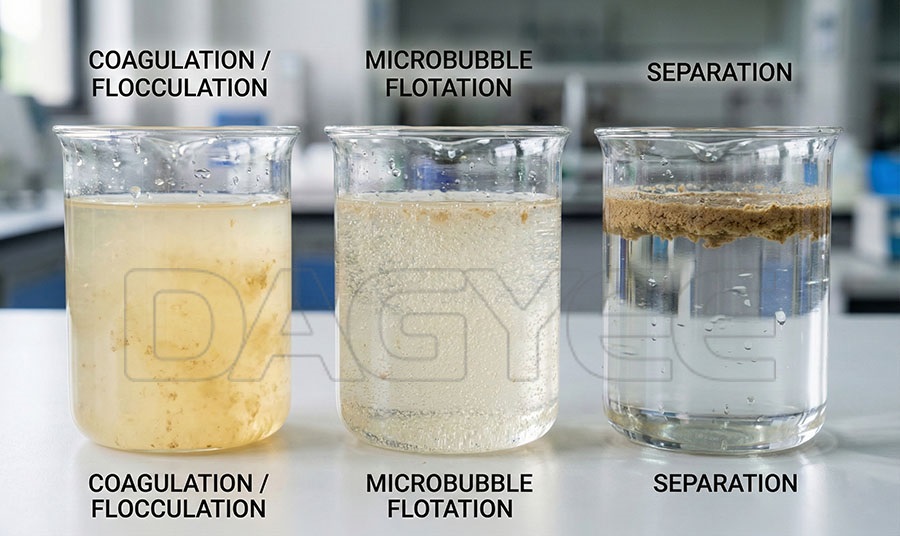
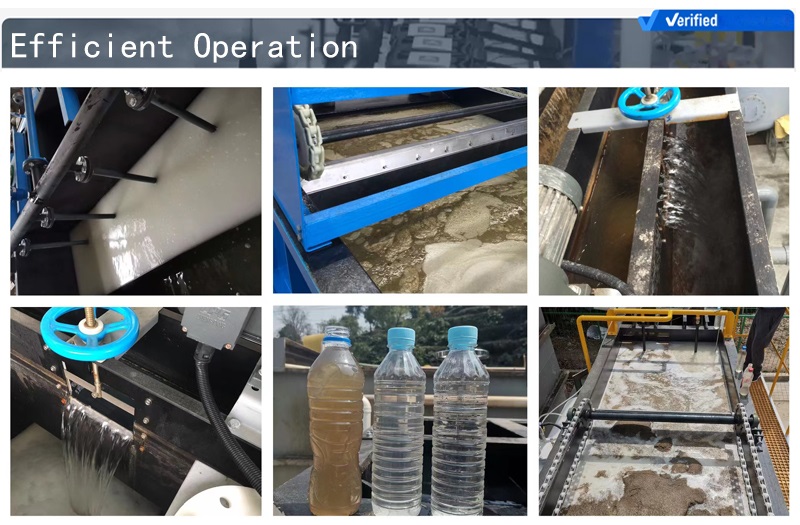
Dissolved air flotation is a water treatment process that clarifies wastewater by removal of suspended solids, oils, greases, BOD, COD, and metals. This is achieved by dissolving air in the wastewater under pressure and then releasing the air at atmospheric pressure in a flotation tank. The released air forms tiny bubbles which adhere to the suspended matter causing it to float to the surface of the water where it can then be removed by a skimming device, ready to dewater for proper disposal. To improve solids removal coagulant/flocculants are added to coax suspended solids and colloidal particles into clumping together.
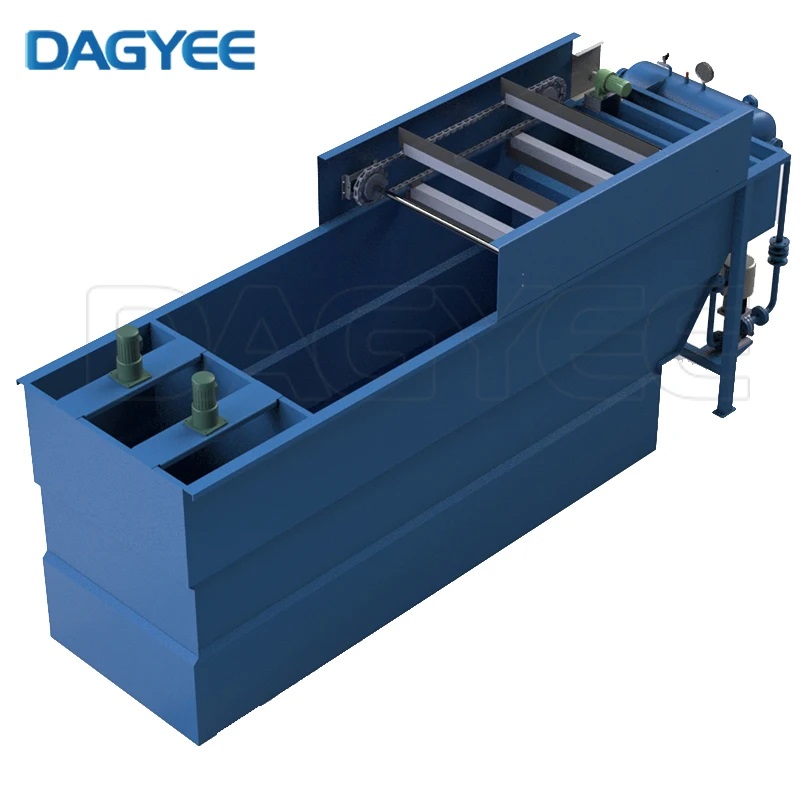
Dissolved air flotation principle
The overall effectiveness of a DAF unit can often be linked to the efficiency of each individual component. During the pre-treatment phase, the wastewater is first mixed with a chemical coagulant. This crucial step facilitates the aggregation of fine particles into larger flocs, making them easier to separate from the water.
Once the influent feed is adequately treated, it moves into the air dissolving vessel. Here, compressed air is introduced under high pressure to dissolve into the water until the saturation point is reached. This saturation process is essential, as it ensures that when the pressure is released, a myriad of tiny microbubbles form uniformly throughout the flotation tank.
These microbubbles play a pivotal role in the separation process. When the air-water mixture is released into the flotation tank, the dissolved air comes out of solution, forming bubbles that attach to the flocculated particles, giving them buoyancy. The air bubble-particle aggregates rise to the surface, creating a floating sludge layer.
Simultaneously, heavier particles that cannot attach to the bubbles sink to the bottom as settleable solids. This dual mechanism effectively separates the floatable and settleable solids from the water.
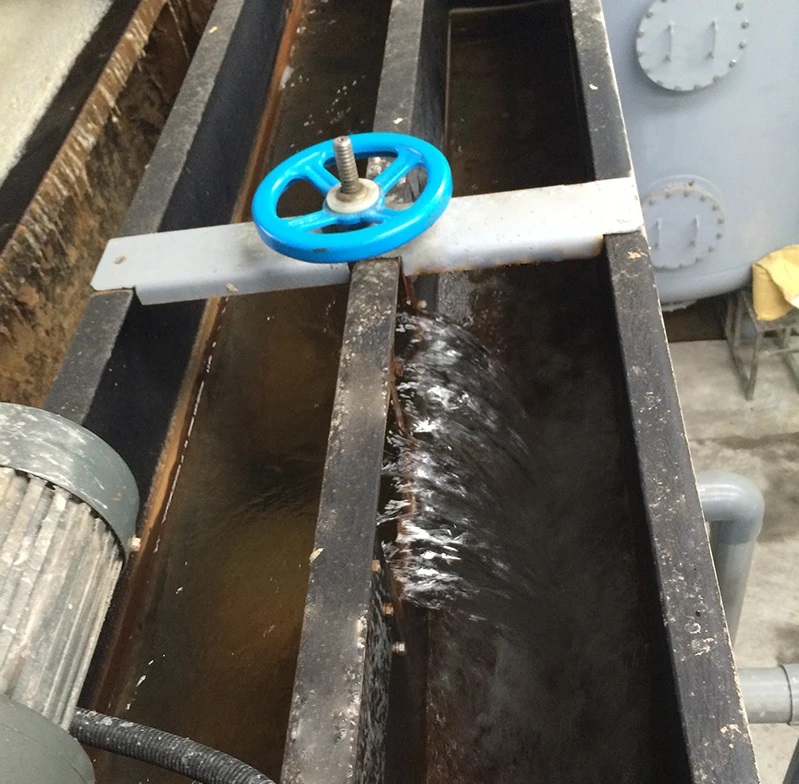
The flotation tank’s skimmer system sweeps across the surface to remove the floating sludge, directing it towards a collection trough. This collected sludge can then be processed or disposed of according to regulatory requirements. At the same time, the clarified water, now free of suspended particles, is extracted from the bottom or sides of the tank and moved on to subsequent treatment stages or discharged if it meets quality standards.
The precise operation parameters, such as air-to-solids ratio and hydraulic loading rate, can significantly influence DAF performance. Regular monitoring and adjustments ensure optimal functioning, making the DAF unit a versatile and reliable choice for various wastewater treatment scenarios.
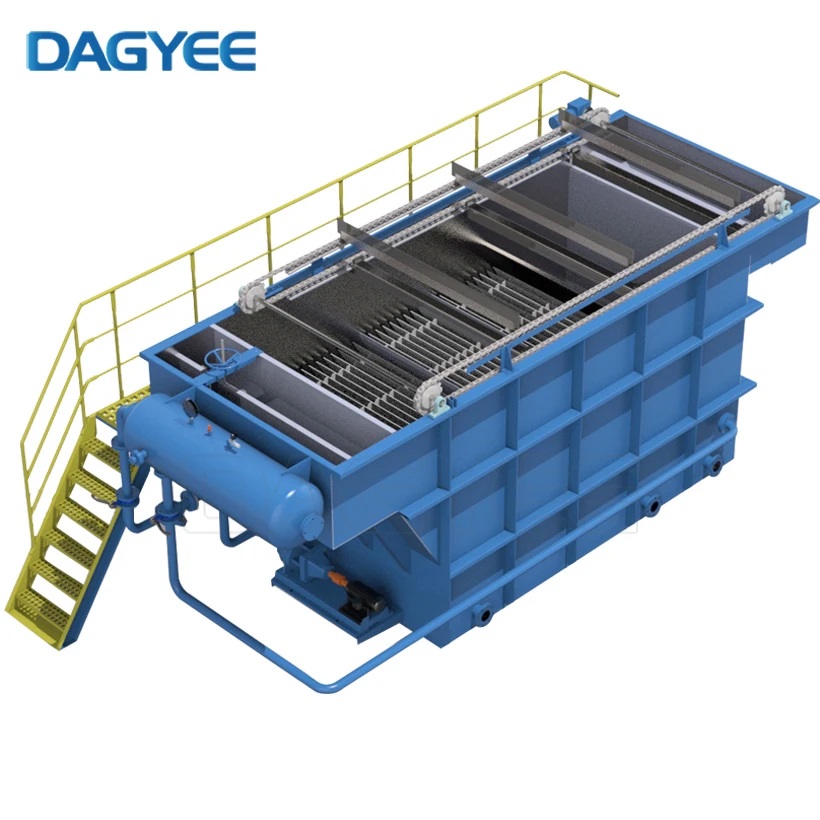
Dissolved air flotation technical sheet
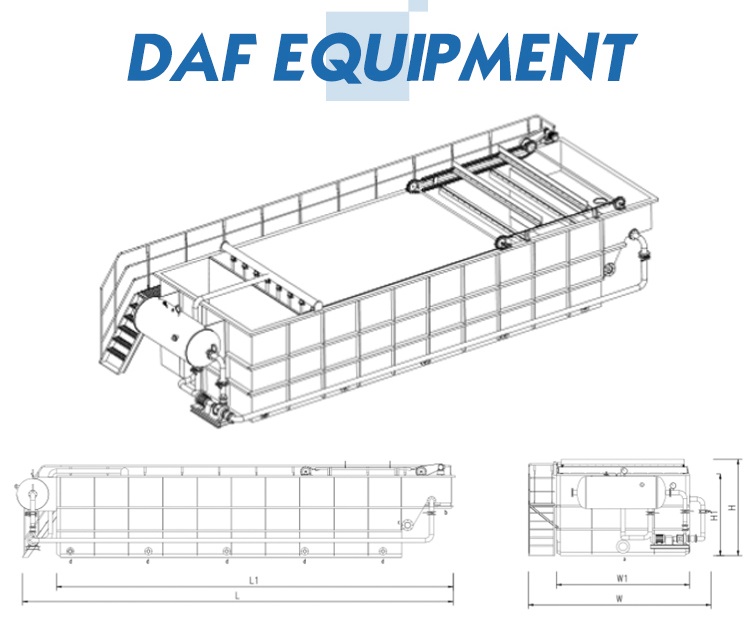
| DAF Model | Qm3/h | Piping Connections | Physical Dimensions(m) | Weight (Kg) | Operating Weight (Kg) |
|---|---|---|---|---|---|
| DAF-003 | 3 |
Inlet: DN50 Outlet: DN50 Sludge: DN100 Vent: DN100 |
L/L1: 3.7/2.8 W/W1: 2.4/1.16 H/H1: 2.2/1.7 |
1500 | 5000 |
| DAF-005 | 5 |
Inlet: DN80 Outlet: DN80 Sludge: DN100 Vent: DN80 |
L/L1: 4/3 W/W1: 2.4/1.16 H/H1: 2.2/1.7 |
1600 | 7000 |
| DAF-010 | 10 |
Inlet: DN100 Outlet: DN100 Sludge: DN100 Vent: DN100 |
L/L1: 4.65/3.8 W/W1: 2.7/1.36 H/H1: 2.4/1.9 |
2000 | 12000 |
| DAF-015 | 15 |
Inlet: DN125 Outlet: DN100 Sludge: DN150 Vent: DN100 |
L/L1: 5.6/4.5 W/W1: 2.9/1.66 H/H1: 2.5/2 |
2200 | 18000 |
| DAF-020 | 20 |
Inlet: DN150 Outlet: DN150 Sludge: DN150 Vent: DN100 |
L/L1: 5.9/4.8 W/W1: 3.2/1.96 H/H1: 2.5/2 |
3000 | 22000 |
| DAF-030 | 30 |
Inlet: DN150 Outlet: DN150 Sludge: DN150 Vent: DN100 |
L/L1: 6.8/5.5 W/W1: 3.2/2.16 H/H1: 2.7/2.2 |
3800 | 32000 |
| DAF-040 | 40 |
Inlet: DN200 Outlet: DN150 Sludge: DN150 Vent: DN100 |
L/L1: 8/6.7 W/W1: 3.6/2.6 H/H1: 2.7/2.2 |
5000 | 45000 |
| DAF-050 | 50 |
Inlet: DN200 Outlet: DN150 Sludge: DN150 Vent: DN100 |
L/L1: 8.4/7 W/W1: 3.6/2.6 H/H1: 2.7/2.2 |
5500 | 55000 |
| DAF-060 | 60 |
Inlet: DN250 Outlet: DN200 Sludge: DN150 Vent: DN100 |
L/L1: 9.9/8.4 W/W1: 3.8/2.8 H/H1: 2.9/2.4 |
6000 | 66000 |
| DAF-070 | 70 |
Inlet: DN250 Outlet: DN200 Sludge: DN150 Vent: DN100 |
L/L1: 10.4/9 W/W1: 3.8/2.8 H/H1: 2.9/2.4 |
6500 | 75000 |
| DAF-080 | 80 |
Inlet: DN250 Outlet: DN250 Sludge: DN150 Vent: DN100 |
L/L1: 10.8/9.4 W/W1: 4/3 H/H1: 2.9/2.4 |
7500 | 100000 |
| DAF-100 | 100 |
Inlet: DN300 Outlet: DN250 Sludge: DN150 Vent: DN100 |
L/L1: 12.1/10.6 W/W1: 4.2/3.2 H/H1: 2.9/2.4 |
9000 | 110000 |
| DAF-120 | 120 |
Inlet: DN300 Outlet: DN250 Sludge: DN150 Vent: DN100 |
L/L1: 12.5/11.4 W/W1: 4.4/3.4 H/H1: 2.9/2.4 |
10000 | 130000 |
Dissolved air flotation process flow
Dissolved air flotation advantage
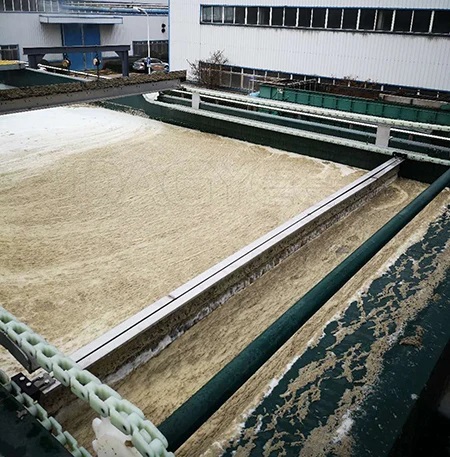
There are several distinct advantages of using dissolved-air flotation processes compared to traditional wastewater treatment methods, such as sedimentation. One significant benefit is the ability to effectively treat low-density sludges, which often challenge gravity-based systems. DAF processes can successfully remove suspended solids, oils, and greases more efficiently by leveraging the air flotation technology.
Moreover, DAF systems often require less space than traditional sedimentation tanks due to their compact design and rapid treatment capability. This space-saving feature is particularly beneficial for industries operating in constrained environments or for those looking to modify existing waste treatment setups without extensive infrastructure changes. Additionally, the quick response of DAF systems allows for better control over fluctuating wastewater characteristics, making them ideal for environments with variable loads.
Dissolved air flotation feature
The environmental impact of DAF systems is generally positive, particularly in minimizing water pollution.
By enabling the removal of over 90% of harmful components from industrial effluents, DAF systems contribute to cleaner water bodies and reduced environmental pollution.
Moreover, reduced chemical usage and advancements in energy-efficient designs further enhance the sustainability of DAF technology.
Dissolved Air Flotation systems have solidified their place as an indispensable tool in modern water treatment processes.
Their ability to efficiently remove suspended solids from diverse wastewater streams makes them particularly valuable across industries with stringent water quality requirements.
As technological innovations continue to evolve, DAF systems are poised to become even more cost-effective and environmentally sustainable, bolstering their role in the global effort to safeguard water resources.
Dissolved air flotation application
Dissolved-air flotation processes have diverse applications across multiple industrial settings. Common industries benefiting from DAF technology include:
Food and Beverage: The food processing industry utilizes DAF systems to treat wastewater containing high concentrations of fats, oils, and food particles.
Pulp and Paper: DAF is employed to handle process water and to remove suspended solids, enhancing the quality of effluents.
Petroleum and Petrochemical: In these sectors, DAF systems act to remove oils and greases from produced water, significantly reducing environmental impact.
Wastewater Treatment Plants: Municipal treatment facilities use DAF to optimize sludge management and enhance overall treatment efficiency.
Name: Ashely Li
Mobile:+8613961861780
Tel:+8613961861780
Whatsapp:8613961861780
Email:info@dagyee.com
Add:Room 302, Building 11-4, Hongyi Road, Xinan Town, Xinwu District, jiangsu Province, China