English
 Chinese
info@dagyee.com
+8613961861780

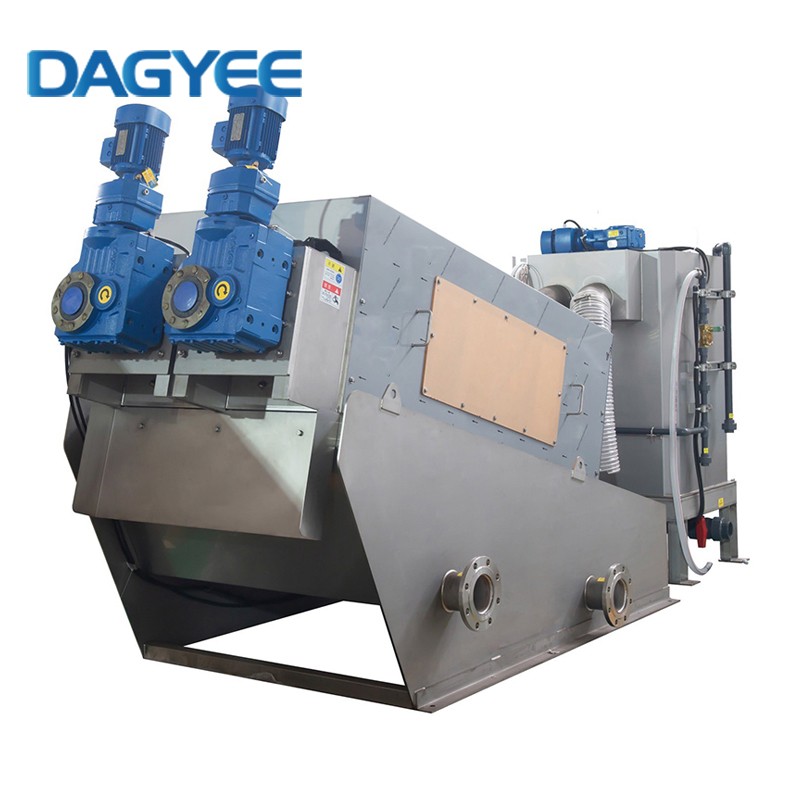
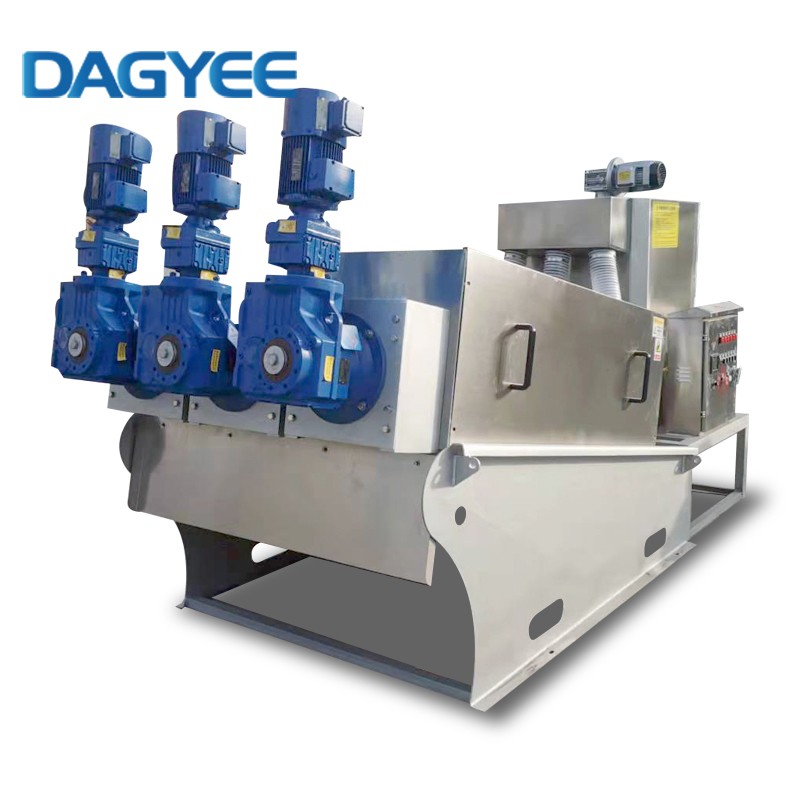
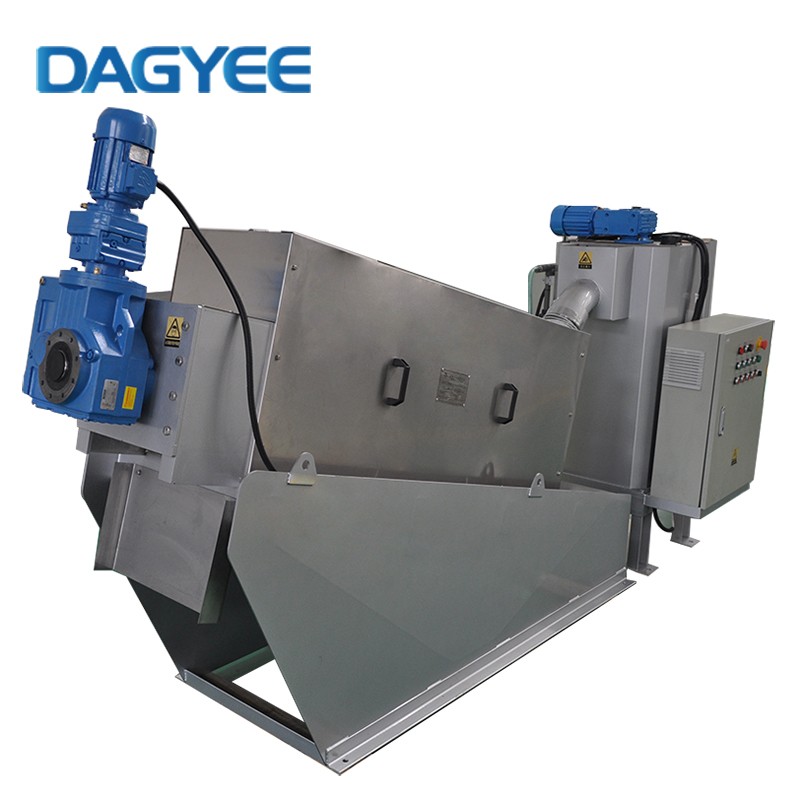
Sludge dehydrator descriptions
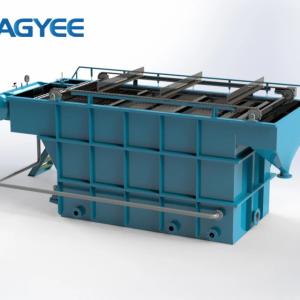
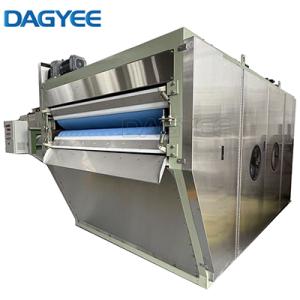
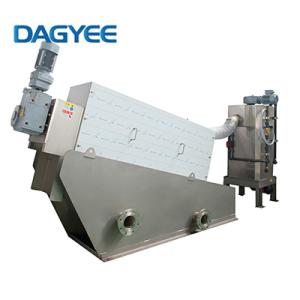
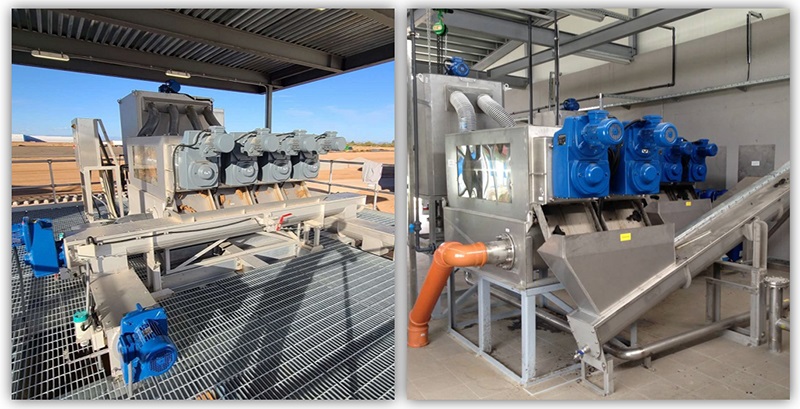
Screw press sludge dewatering machine is an efficient and reliable solution to sludge water management and wastewater treatment. It utilizes a screw mechanism to transport and compress sludge, separating the water from the solid materials. The dewatered sludge cake is with reduced moisture content and volume, making it easier to handle and dispose of. Dagyee is a trusted manufacturer of sludge dewatering screw press, providing customization options to meet specific demands. Our machine also serves wastewater treatment, food proccessing industry, etc.
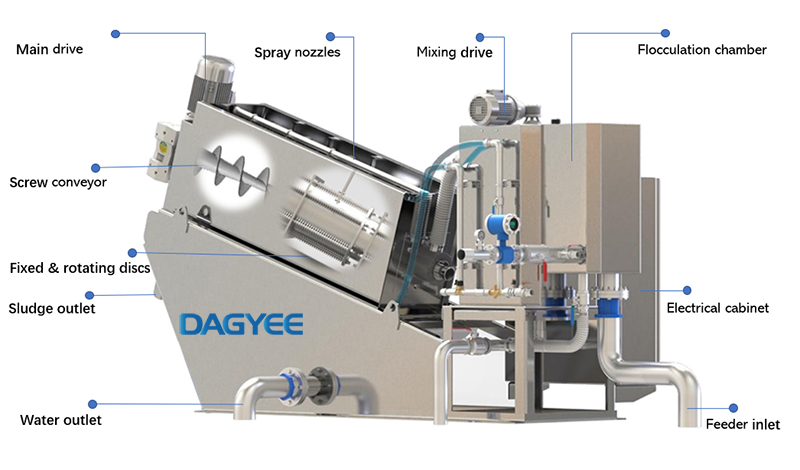
Sludge dehydrator process
Sludge dewatering is the process of separating solid and liquid sludge components to minimize sludge disposal. Often polymer flocculants are also added prior to sludge dewatering (using powder dosing system) to help the solid-liquid separation process.
Instead of treating sludge or liquids, the sludge dewatering facility will separate liquid and solid components, making it easier and cost effective to treat the different treatment stages. After final sludge dewatering, the liquid is treated in ETP/STP and the solid sludge is disposed of.
The main purpose of sludge dehydrators is to minimize treatment and disposal. Sludge dehydrators are the most cost-effective method of dehydration and therefore help to maintain the company’s environmental objectives.
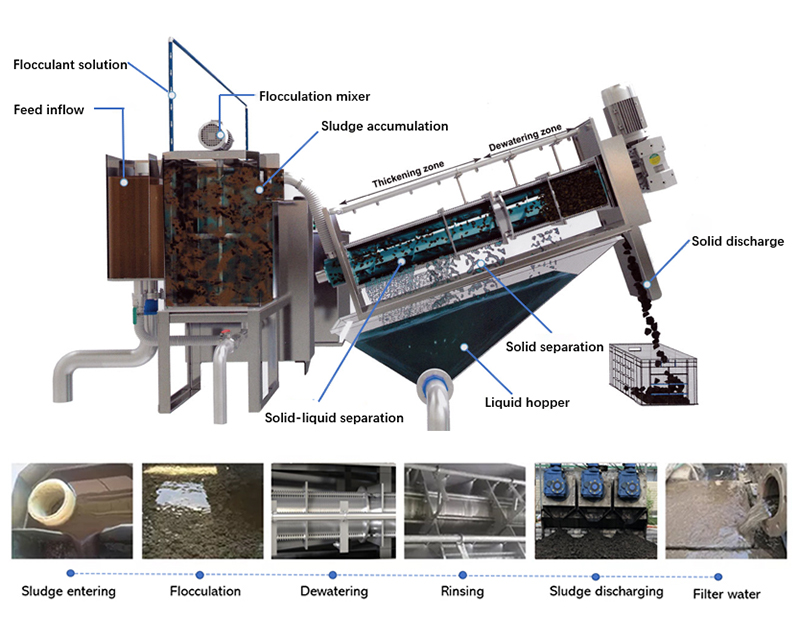
Sludge dehydrator model
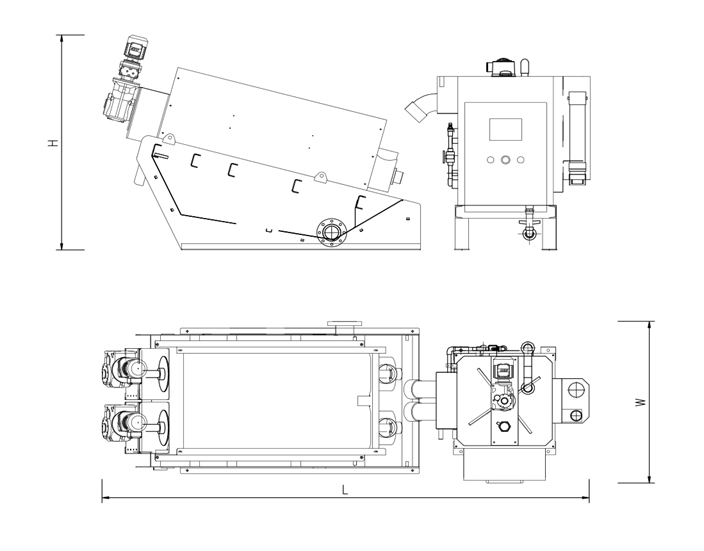
| Model | DS capacity(g/h) | Sludge capacity (m³/h) | Sludge treatment capacity | Spiral diameter | Discharge Distance | Size(mm) | Net.Kg | Run Kg | Power | Washing Q | |||||||||
|---|---|---|---|---|---|---|---|---|---|---|---|---|---|---|---|---|---|---|---|
| Min | Max | 2g/L | 5g/L | 2g/L | 5g/L | 10g/L | 20g/L | 25g/L | 50g/L | L | W | H | |||||||
| DL101 | 3 | 5 | 1.5 | 0.6 | 1.5 | 0.6 | 0.5 | 0.25 | 0.2 | 0.1 | Φ100×1 | 215 | 1816 | 756 | 1040 | 200 | 290 | 0.2 | 24 |
| DL131 | 6 | 10 | 3 | 1.2 | 3 | 1.2 | 1 | 0.8 | 0.4 | 0.2 | Φ130×1 | 260 | 1969 | 756 | 1040 | 220 | 315 | 0.36 | 24 |
| DL132 | 12 | 20 | 6 | 2.4 | 6 | 2.4 | 2 | 1 | 0.8 | 0.4 | Φ130×2 | 250 | 2069 | 910 | 1040 | 275 | 450 | 0.62 | 48 |
| DL202 | 18 | 30 | 9 | 3.6 | 9 | 3.6 | 3 | 1.5 | 1.2 | 0.6 | Φ200×2 | 350 | 2500 | 935 | 1270 | 470 | 730 | 1.11 | 64 |
| DL301 | 30 | 50 | 15 | 6 | 15 | 6 | 5 | 2.5 | 2 | 1 | Φ310×1 | 495 | 3255 | 905 | 1600 | 850 | 1320 | 0.74 | 40 |
| DL302 | 60 | 100 | 30 | 12 | 30 | 12 | 10 | 5 | 4 | 2 | Φ310×2 | 495 | 3455 | 1285 | 1600 | 1500 | 2230 | 1.11 | 80 |
| DL303 | 90 | 150 | 45 | 18 | 45 | 18 | 15 | 7.5 | 6 | 3 | Φ310×2 | 495 | 3055 | 1690 | 1600 | 1520 | 3080 | 1.86 | 120 |
| DL352 | 120 | 200 | 60 | 24 | 60 | 24 | 20 | 10 | 8 | 4 | Φ350×2 | 580 | 4240 | 1550 | 2190 | 1950 | 3400 | 3.75 | 144 |
| DL353 | 180 | 300 | 60 | 36 | 60 | 36 | 30 | 15 | 12 | 6 | Φ350×3 | 580 | 4460 | 2100 | 2160 | 2600 | 4850 | 6 | 216 |
| DL402 | 120 | 200 | 60 | 24 | 60 | 24 | 20 | 10 | 8 | 4 | Φ410×2 | 585 | 4140 | 1550 | 2250 | 2450 | 3400 | 3.75 | 144 |
| DL403 | 180 | 300 | 60 | 36 | 60 | 36 | 30 | 15 | 12 | 6 | Φ410×3 | 585 | 4420 | 2100 | 2250 | 3350 | 4850 | 6 | 216 |
Sludge dehydrator advantages
Gentle acceleration
A traditional feed zone injects the sludge radially into the decanter bowl, continuously disturbing the internal flows and causing turbulence. A VecFlow™ feed zone, on the other hand, gives the feed a completely different flow path since it accelerates the sludge tangentially when entering the bowl of the decanter centrifuge.
Sludge centrifuges with better separation performance
Apart from reducing total power consumption in sludge thickening, the low turbulence also improves separation performance. The separation is more effective than in a traditional decanter centrifuges, with less break-up of flocs. Additionally, the efficient acceleration to full speed reduces wear on the conveyor.
Cut OPEX
Depending on your specific sludge-thickening requirements, you may wish to minimize polymer consumption, increase the dryness of the cake or boost capacity. The high separation performance in thickening and low power consumption leads to a low total cost of ownership and very short payback times. You often get a full return on your investment in less than one year.
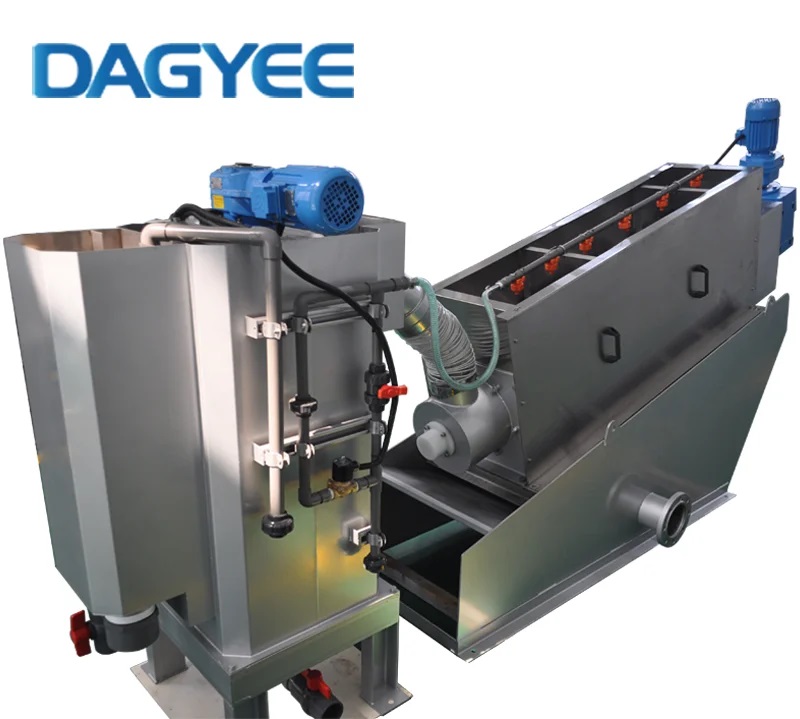
Sludge dehydrator key features
1. Lower power consumption (which also greatly reduces CO2 emissions)
2. 10% boost in processing capacity – or drier cake
3. Reductions in life cycle costs
4. More efficient bio-solids handling
5. Better process monitoring and control
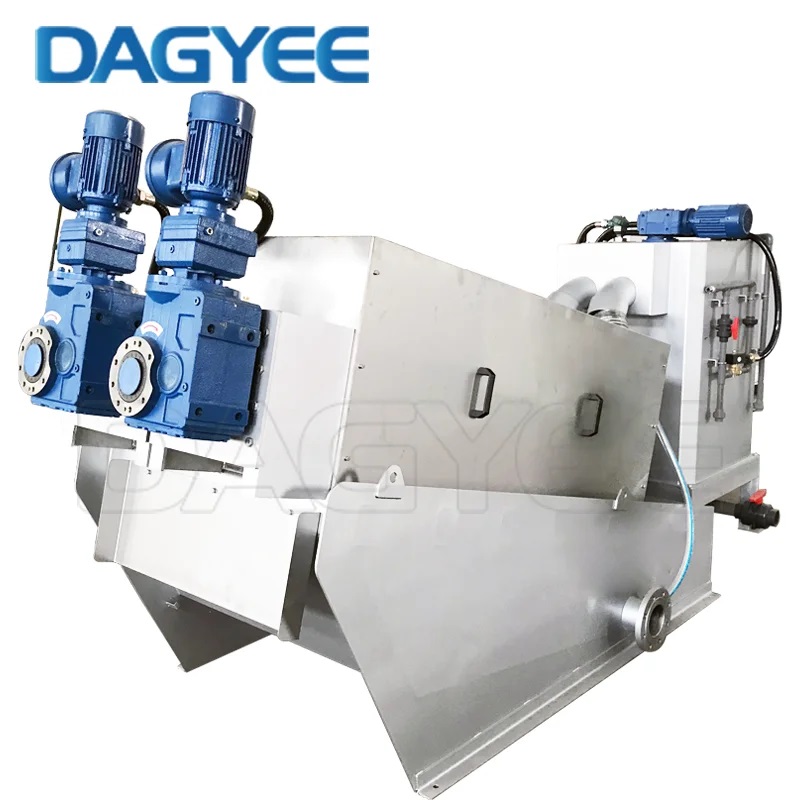
Sludge dehydrator applications
The versatility of the Sludge Dewatering Machine allows it to handle a wide variety of sludge types.
It is suitable for:
Municipal Wastewater Treatment Plants
Effluent Treatment Plants (ETP)
Sewage Treatment Plants (STP)
Food & Beverage Industry
Paper & Pulp Industry
Textile & Dyeing Industry
Chemical & Pharmaceutical Plants
Tannery & Leather Processing Units
Whether dealing with oily sludge, organic sludge, or fibrous sludge, it can adapt and deliver consistent performance.

Name: Ashely Li
Mobile:+8613961861780
Tel:+8613961861780
Whatsapp:8613961861780
Email:info@dagyee.com
Add:Room 302, Building 11-4, Hongyi Road, Xinan Town, Xinwu District, jiangsu Province, China